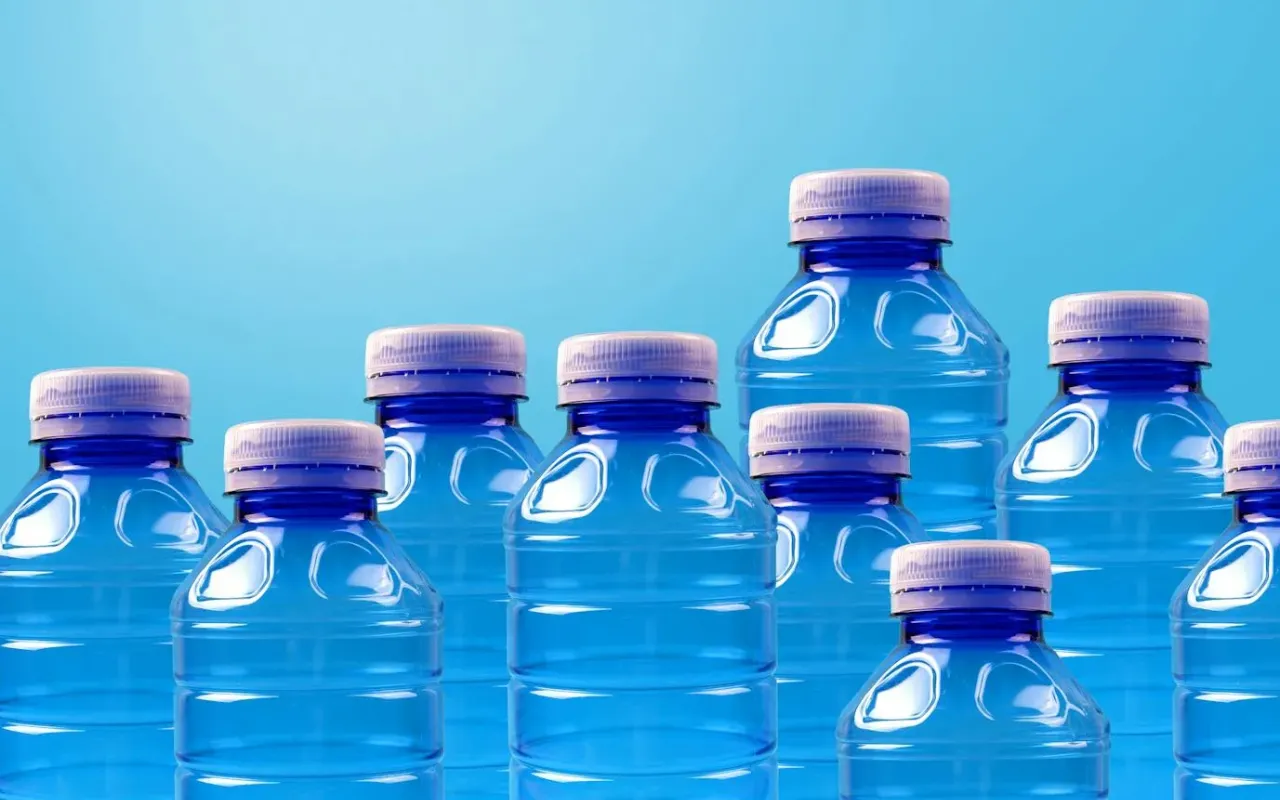
The hidden journey of your plastic waste and practical, non-judgmental swaps you can make this week to reduce your footprint.
- April 4, 2026
The Unseen Journey of a Plastic Bottle
You finish your drink, toss the bottle in the recycling bin, and feel a small wave of environmental virtue. But that feeling is often based on a story we tell ourselves—a story that rarely matches reality. That bottle might be shipped across oceans, sorted in a facility that can't process its specific plastic type, and eventually end up in a landfill or incinerator anyway. In fact, only about 9% of all plastic ever produced has been recycled. The rest persists, breaking down into microplastics that are now found in our soil, our water, and even our bloodstreams.
This isn't about guilt; it's about clarity. Understanding the true lifecycle of plastic is the first step toward making meaningful changes. When we see that the "recycling" symbol is more of a hopeful suggestion than a guarantee, we start to question our reliance on single-use items in the first place. The goal isn't perfection, but a conscious reduction. It's about choosing the better option when you can, not berating yourself when you can't.
So, where do we start? The most powerful shift begins at the source: our own consumption habits. By focusing on a few key areas of daily life, we can significantly cut our plastic output without upending our routines. The following sections break down these areas into actionable, manageable steps.
Rethinking the Grocery Run: Your Cart is Ground Zero
The supermarket is a temple of plastic convenience. From pre-wrapped produce to bags within bags, it can feel impossible to escape. But with a little planning, your grocery haul can become a powerful statement against waste. The key is to target the high-volume, repetitive items first.
Start with produce. Those thin, flimsy plastic bags for apples or peppers are used for mere minutes before becoming permanent waste. A simple set of reusable mesh produce bags, which you can find online or in many stores, eliminates this entirely. They're lightweight, washable, and last for years. For items like loose carrots or broccoli, just place them directly in your cart—they've survived a journey from a farm, they can handle your checkout belt.
Next, look at pantry staples. Instead of buying rice, pasta, or lentils in new plastic bags every time, seek out bulk bins. Bring your own clean jars or cloth bags from home. Many stores will tare the weight of your container at the register. This not only cuts plastic but often saves money, as you buy exactly the amount you need. For items you can't find in bulk, choose the largest size you can reasonably use to reduce packaging per ounce.
Actionable Takeaway: This week, commit to two changes: bring your own reusable produce bags and choose one pantry item to buy from a bulk section using a container from home.
The Meat and Dairy Dilemma
Meat, cheese, and yogurt often come encased in non-recyclable polystyrene trays and cling film. This is a tougher category, but not impossible. Consider visiting the butcher or deli counter, where you can ask them to place your purchase in your own reusable container. Many are happy to comply if the container is clean. For yogurt, large tubs generate less waste than multipacks of small cups, or explore making your own with a starter culture and glass jars.
Conquering the Kitchen: Beyond Food Storage
Once the groceries are home, the plastic battle continues in how we store, cook, and clean. This is where durable swaps pay off for decades. The most common offender here is plastic cling wrap, a single-use product designed to be used once and thrown away.
Replace it with beeswax wraps or silicone bowl covers. Beeswax wraps are fabric infused with beeswax, resin, and oil; they mold to the shape of a bowl or food with the warmth of your hands and are washable and reusable for about a year. Silicone lids come in various sizes and create an airtight seal on bowls, pots, and even cut fruit halves. For storing leftovers, glass containers with locking lids are the ultimate workhorse. They go from fridge to microwave to dishwasher without staining or absorbing odors.
Cleaning supplies are another plastic minefield. Instead of buying a new spray bottle of cleaner every month, buy a concentrate or use simple ingredients like vinegar and castile soap. You can refill the same spray bottle indefinitely. Swap out plastic-bristled scrub brushes for ones with wooden handles and natural fiber bristles. Even your sponge can be replaced with a compostable loofah or a set of reusable Swedish dishcloths.
Actionable Takeaway: Choose one single-use kitchen item to replace this month. Start with ditching cling wrap for a set of beeswax wraps or a silicone lid. The next time you run out of cleaner, research a simple DIY recipe or a concentrate brand.
The Personal Care Pivot: What's in Your Shower?
Your bathroom is likely a gallery of plastic bottles: shampoo, conditioner, body wash, hand soap, and more. These items are used quickly and repurchased frequently, creating a relentless stream of waste. The good news is that the market for solid, package-free alternatives has exploded.
Solid shampoo and conditioner bars are now formulated for every hair type. They last two to three times longer than a standard liquid bottle, eliminate the need for a plastic container, and are perfect for travel. Look for brands that use minimal, recyclable paper packaging. For body wash, a simple bar of soap works perfectly. Traditional bar soaps have made a major comeback, with luxurious options using high-quality oils and scents.
Don't forget about your toothbrush. Over a billion plastic toothbrushes are thrown away annually in the US alone. Switching to a bamboo toothbrush with biodegradable bristles is a straightforward swap. For dental floss, look for silk or plant-based floss that comes in a refillable glass container. In the shaving department, safety razors with replaceable metal blades offer a close shave and eliminate disposable plastic razors forever.
Actionable Takeaway: On your next shopping trip, pick up a shampoo bar and a bamboo toothbrush. These two changes alone will prevent dozens of plastic bottles and brushes from entering the waste stream over your lifetime.
Reconsidering Cosmetics and Toiletries
Explore makeup brands that offer refillable compacts for powders and blushes. For cotton rounds, switch to reusable, washable rounds made from bamboo or organic cotton. Even deodorant now comes in effective, cardboard-packaged sticks or jars you can refill.
Navigating Takeout and Coffee Culture Consciously
Our on-the-go lifestyle is a major source of "away-from-home" plastic. The coffee cup lid, the plastic cutlery, the styrofoam clamshell—all used for minutes and destined for centuries in a landfill. This area requires a bit of forethought, but the habits become second nature.
Always carry a compact "zero-waste kit." This doesn't need to be fancy. A reusable coffee cup (many cafes even offer a discount for bringing your own), a set of bamboo or metal cutlery wrapped in a cloth napkin, and a foldable silicone container for unexpected leftovers or bakery items. Keep it in your work bag or car. When ordering takeout, add a note in the comments: "No plastic cutlery or napkins, please." If you're picking up, you can often hand the container directly to the staff.
For work lunches, ditch single-use plastic bags and plastic wrap. Invest in a good stainless steel bento box or a set of glass containers. A reusable sandwich bag or beeswax wrap can handle snacks. Drinking water is another big one. Carry a reusable water bottle. If you're concerned about taste or quality, a bottle with a built-in filter is a great investment that pays for itself quickly compared to buying plastic water bottles.
Actionable Takeaway: Assemble your simple on-the-go kit this weekend. Put a reusable cup, a cloth napkin wrapped around some cutlery, and a foldable container in your bag. You'll be prepared to refuse disposable plastic all week.
When Plastic is Unavoidable: Making Smarter Choices
Let's be realistic: eliminating all plastic is nearly impossible in the modern world. Medicine, certain electronics, and safety equipment often require it. The goal is reduction, not elimination. When you must buy plastic, you can make more informed choices to lessen the impact.
Become a label detective. Look for the resin identification code (the number inside the recycling triangle). Numbers 1 (PETE) and 2 (HDPE) are the most commonly and reliably recycled plastics. Avoid number 3 (PVC), 6 (PS/ Styrofoam), and 7 (often a mix, like bioplastics), as these are rarely recyclable and are more problematic. Choose products in clear, simple plastic over opaque or multi-layered, laminated packaging, which is impossible to recycle.
Support companies that are innovating. More brands are using post-consumer recycled (PCR) plastic in their packaging, creating a circular economy. Others offer take-back programs for their products. Your purchasing power is a vote. By choosing brands committed to better packaging, you encourage more companies to follow suit. Remember, the most sustainable product is often the one you already own. Use what you have until it's truly worn out before replacing it with a "greener" alternative.
Actionable Takeaway: For your next necessary plastic purchase, check the resin code. Opt for #1 or #2 if possible, and research if the brand uses recycled content or has a responsible take-back program. Your conscious choice sends a market signal.
The Mindset Shift: Progress Over Perfection
The most important tool in reducing plastic isn't a fancy gadget; it's your mindset. This journey is not about achieving a state of plastic-free purity. That's an unrealistic and discouraging goal. It's about cumulative, conscious effort. If you forget your reusable bag and have to take a plastic one, use it as a trash bag liner later. If you're given plastic cutlery, wash it and reuse it until it breaks.
Celebrate the wins, no matter how small. Notice how your trash bin fills up more slowly. Take pride in your collection of reusable containers. Share your discoveries with friends in a positive, non-preachy way. Your actions have a ripple effect. When a barista sees your reusable cup, it normalizes the behavior. When a friend admires your beeswax wraps, it might inspire them to try one swap.
Focus on the systems you can control. You can't change industrial packaging overnight, but you can change what you bring into your home. You can't stop all plastic production, but you can dramatically reduce your personal contribution to the demand. This is a marathon, not a sprint. Each thoughtful choice adds up to a significant reduction in waste, a lighter environmental footprint, and the profound satisfaction of living in greater alignment with your values.
Actionable Takeaway: At the end of each month, do a quick mental review. Acknowledge one new habit you've successfully adopted and identify one area you'd like to focus on next. This practice of gentle reflection keeps you moving forward without burnout.