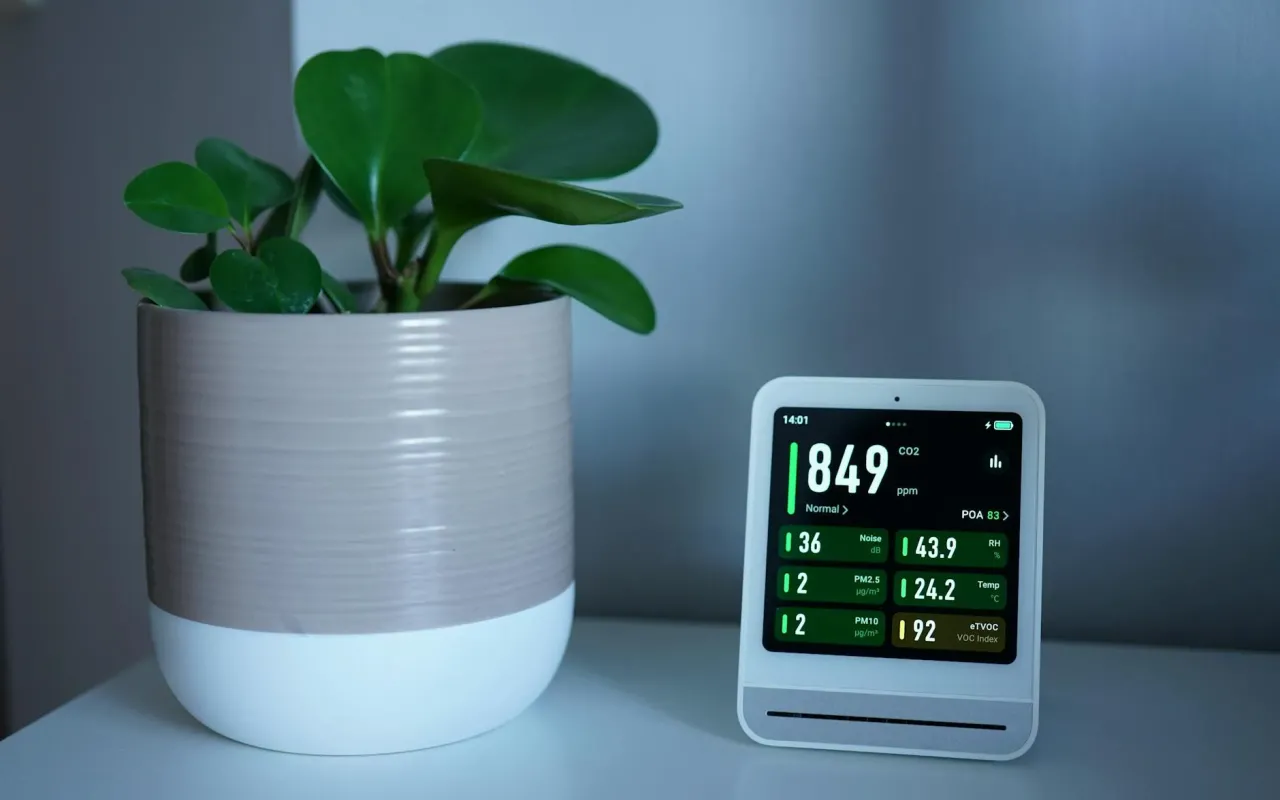
Discover the best indoor plants that actually clean your air. Get practical tips for choosing, placing, and caring for your natural air filters.
- April 2, 2026
Your Home's Air Might Need a Green Intervention
Take a deep breath. What you just inhaled inside your home likely contains traces of formaldehyde, benzene, and trichloroethylene. These aren't just complex chemical names; they're common volatile organic compounds (VOCs) off-gassing from your furniture, cleaning products, carpets, and even that new bookshelf you assembled.
While the idea of a "sick building" sounds extreme, indoor air pollution is a real and persistent issue in our well-sealed modern homes. The good news? A powerful, beautiful, and surprisingly low-tech solution is waiting at your local nursery. We're talking about air-purifying plants, and they do far more than just look pretty on a shelf.
This isn't just folk wisdom. NASA's landmark Clean Air Study, conducted to find ways to purify air in space stations, identified specific plants that are remarkably effective at scrubbing toxins from the air. They work by absorbing these pollutants through their leaves and roots, where microbes in the soil then help break them down. The result is cleaner air and a healthier, more vibrant living space.
How Plants Actually Work as Natural Air Filters
Before we dive into the plant recommendations, let's demystify the process. It's easy to think of plants as simple decorations, but they are dynamic, living systems engaged in a constant exchange with their environment. The air purification happens through a combination of photosynthesis and the plant's symbiotic relationship with the microorganisms in its soil.
During photosynthesis, plants take in carbon dioxide and release oxygen through tiny pores in their leaves called stomata. Simultaneously, they can also absorb gaseous pollutants like formaldehyde through these same pores. Once inside the plant, these compounds are broken down and used or transported to the root zone.
This is where the magic in the dirt happens. The root system and the surrounding soil are teeming with beneficial microbes. These microorganisms are the real workhorses, metabolizing and converting the harmful VOCs into nutrients for the plant, effectively neutralizing the threat. It's a perfect, natural recycling system.
Actionable Tip: For maximum air-cleaning benefit, keep the leaves of your plants dust-free. A thin layer of dust can clog those crucial stomata. Once a month, gently wipe broad leaves with a damp cloth or give smaller-leaved plants a lukewarm shower in the sink.
The Science Behind the Greenery
While the NASA study provides a fantastic foundation, more recent research helps us apply it practically. Scientists like Dr. Bill Wolverton, who led the original NASA research, suggest that for a significant effect, you'd want at least one good-sized plant per 100 square feet of home space. Think of it as building a distributed network of bio-filters throughout your living areas.
The key takeaway isn't to turn your home into an impenetrable jungle, but to strategically place the right plants in the rooms where you spend the most time—and where pollutants are most common. Your home office with its electronics, the living room with synthetic fabrics, and the kitchen with its cleaning agents are all prime candidates for a green upgrade.
The All-Star Team of Air-Purifying Plants
Now for the fun part: choosing your green allies. This list focuses on plants that are not only effective but also notoriously hardy and adaptable to typical indoor conditions. They're the low-drama heroes of the plant world.
Snake Plant (Sansevieria trifasciata)
Often called the "mother-in-law's tongue," the snake plant is the undisputed champion of resilience. It's a top performer in removing formaldehyde, benzene, xylene, and trichloroethylene. Its architectural, upright leaves make a striking visual statement in any room.
What makes it perfect for beginners is its near-indestructible nature. It thrives on neglect, preferring to dry out completely between waterings, and tolerates low light conditions (though it grows faster in bright, indirect light). It's also one of the few plants that converts CO2 to oxygen at night, making it a great choice for a bedroom.
Spider Plant (Chlorophytum comosum)
This cheerful, cascading plant is a prolific air cleaner, targeting formaldehyde and xylene. It's non-toxic to pets, which is a major plus for cat and dog owners. Spider plants are fast growers and produce adorable "spiderettes" or baby plants on long stems, which you can easily snip and propagate to create more air-purifying units for other rooms.
They prefer bright, indirect light and like their soil to dry out a bit between waterings. If the tips of the leaves turn brown, it's often a sign of fluoride in tap water; using filtered or distilled water can solve this.
Peace Lily (Spathiphyllum)
With its elegant white blooms and glossy green leaves, the peace lily adds a touch of sophistication while it works. It's particularly effective at combatting ammonia, benzene, formaldehyde, and trichloroethylene. It will also give you a clear signal when it needs water by dramatically drooping its leaves, then perking right back up after a drink.
Important note: Peace lilies are mildly toxic if ingested by pets or small children, so place them accordingly. They enjoy medium to low indirect light and consistently moist (but not soggy) soil.
Strategic Placement for Maximum Impact
You wouldn't put a single air filter in the corner of your basement and expect it to clean the air in your upstairs bedroom. The same logic applies to plants. Thoughtful placement is what transforms a collection of potted greens into a functional air-purification system.
Start with the sources. Place a formaldehyde-targeting plant like a snake plant or dracaena near new furniture, pressed-wood products, or carpets. In your home office or near entertainment centers, a spider plant or peace lily can help with pollutants from electronics and synthetic materials.
Consider your activities. The kitchen, with its array of cleaning agents and potential for ammonia, is an ideal spot for a peace lily or areca palm. The bathroom, often humid and home to personal care products, is a great environment for a moisture-loving Boston fern or orchid, which also help filter the air.
Actionable Tip: Create "plant clusters." Grouping several plants together in a corner or on a shelf increases local humidity through transpiration and creates a more powerful micro-ecosystem for pollutant breakdown. This is more effective than scattering single plants far apart from each other.
Light and Livability: Matching Plant to Place
Always factor in the actual light conditions of a spot before choosing a plant for it. A sun-loving plant will languish in a dark hallway, no matter how much you need an air filter there. For low-light areas like north-facing rooms or hallways, lean on the snake plant, ZZ plant, or pothos. For a bright, sunny windowsill, consider an areca palm or a rubber plant, which will thrive and work harder in that strong light.
Beyond the Pot: Holistic Habits for Cleaner Air
While plants are powerful allies, they work best as part of a broader strategy for indoor air quality. Think of them as your living, breathing foundation, supported by a few key habits.
Ventilation is crucial. Whenever possible, open your windows for even just 10-15 minutes a day to allow a flush of fresh air and dilution of indoor pollutants. This is especially important after using strong cleaning products, painting, or bringing in new furniture.
Be mindful of what you bring home. Opt for natural cleaning products like vinegar, baking soda, and castile soap when you can. When purchasing new furniture or rugs, look for low-VOC or solid wood options and, if possible, allow them to off-gas in a garage or well-ventilated space before bringing them inside.
Actionable Tip: Add a layer of activated horticultural charcoal on top of your plant's soil. This can help absorb odors and additional impurities, giving your plant's natural filtration system a boost. It's a simple, cheap upgrade with real benefits.
Caring for Your Clean-Air Crew
A stressed plant isn't an effective plant. Basic, consistent care ensures your green filters are healthy and actively processing air. The biggest killer of houseplants is almost always overwatering, not underwatering.
Learn the "finger test." Before watering, stick your finger about an inch into the soil. If it feels dry, it's time to water. If it's damp, wait. Most air-purifying favorites prefer to dry out somewhat between waterings. Ensure your pots have drainage holes to prevent root rot, which is fatal.
Feed them seasonally. During the active growing seasons of spring and summer, a monthly dose of a balanced, half-strength liquid fertilizer will support robust growth. In fall and winter, most plants are dormant and don't need feeding.
Finally, repot when they outgrow their homes. If you see roots circling the bottom of the pot or growing out of the drainage holes, it's time to move the plant to a container just one or two inches larger. Fresh potting mix provides new nutrients and space for root and microbial growth.
Building a Relationship with Your Plants
Pay attention. Your plants will communicate. Yellowing leaves can signal overwatering. Brown, crispy tips often mean low humidity or chemical sensitivity. Leggy growth indicates a need for more light. Observing and responding to these signs turns care from a chore into a rewarding dialogue, ensuring your air-purifying partners thrive for years to come.
Making the Green Choice Sustainable for You
The goal is to create a system that feels good and works for your lifestyle, not to add another item to your to-do list. Start small and build confidence. Pick one or two of the most forgiving plants from this list—a snake plant and a pothos are a phenomenal starter kit.
Propagate to save money and expand your collection. Many of these plants, like spider plants, pothos, and snake plants, are incredibly easy to propagate from cuttings or plantlets. This turns one purchase into many, allowing you to greenify your entire space on a budget.
Remember, this is a journey, not a destination. Each plant you add is a step toward a healthier, more beautiful, and naturally refreshed home. You're not just decorating; you're cultivating a living ecosystem that quietly works in the background, making every breath you take a little bit cleaner and your space fundamentally more alive.