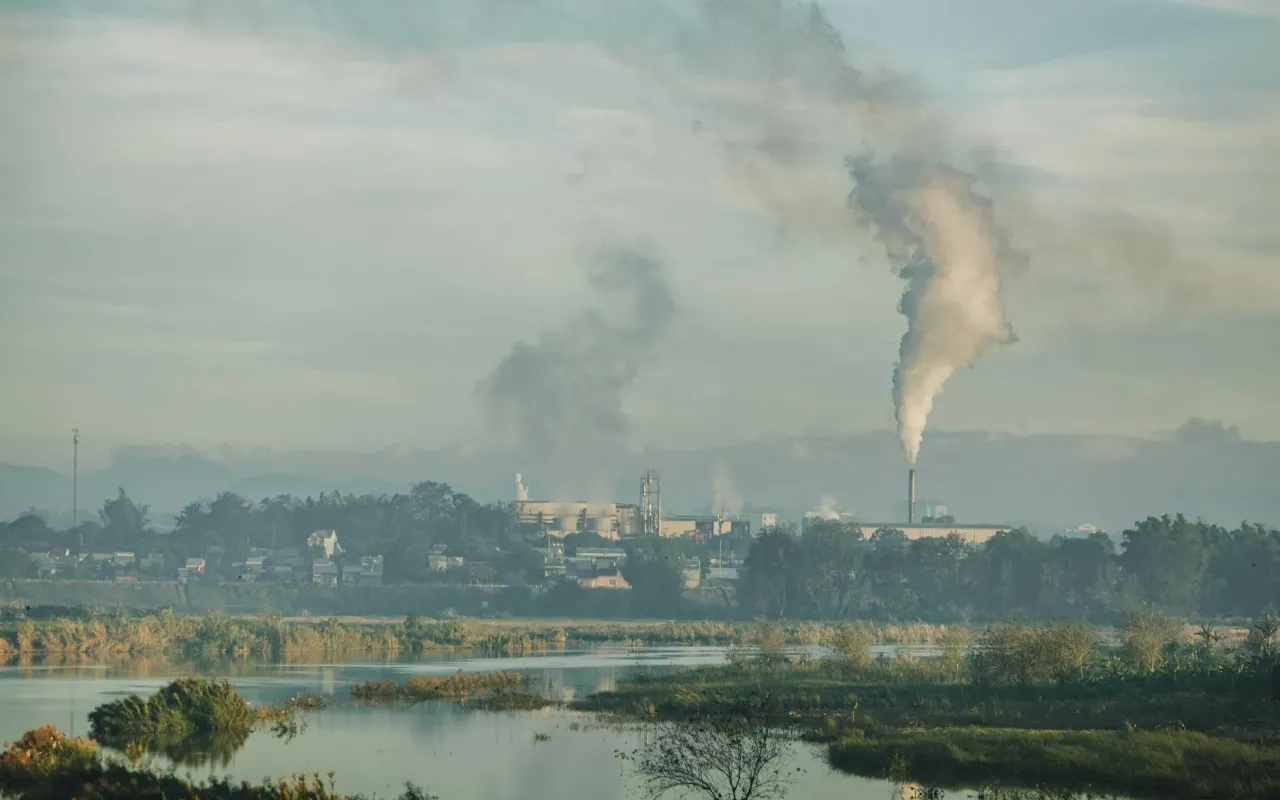
Choosing eco-friendly sheets is confusing. We break down the real environmental impact of bamboo and cotton, from water use to chemicals, so you can make a truly sustainable choice.
- April 2, 2026
Your Bedroom Choice Has a Bigger Footprint Than You Think
You've probably spent more time than you'd like to admit scrolling through linen websites, feeling the softness of bamboo and the crispness of cotton through your screen. It's a choice that feels personal, about comfort and sleep. But what if that choice also rippled out to affect water tables, forests, and the health of farming communities? The truth is, the fabric you choose for your bed has a profound environmental story woven into its threads, and it's rarely as simple as the marketing claims suggest.
We're bombarded with green labels: "eco-friendly," "sustainable," "natural." Bamboo sheets are often touted as the planet-saving hero, while cotton gets a mixed reputation. But to make a genuinely responsible choice, we need to dig deeper than the tag. We need to look at the entire lifecycle—from how the plant is grown, to the energy used to turn it into fabric, to what happens when you finally wash and replace it.
This isn't about guilt; it's about empowerment. By understanding the nuanced, and sometimes surprising, environmental impacts of bamboo and cotton, you can align your purchases with your values. Let's pull back the curtain on these two popular materials and see which one truly deserves a place in your sustainable home.
Actionable Takeaway: Before you buy any sheets labeled "green," commit to looking beyond the first claim. Ask about the entire production process, not just the source material.
The Bamboo Boom: Miracle Grass or Greenwashed Fabric?
Bamboo's appeal is undeniable. It's often described as a "wonder plant" for good reason. It's one of the fastest-growing plants on Earth, with some species shooting up three feet in a single day. This rapid growth means it requires no fertilizers or pesticides to thrive, and it regenerates from its own root system after harvesting, preventing soil erosion. As a crop, its water needs are significantly lower than thirsty plants like cotton, relying mostly on natural rainfall.
However, here's where the story gets complicated. The soft, silky fabric we know as "bamboo sheets" is rarely made by simply weaving bamboo fibers. Over 99% of bamboo textile on the market is actually bamboo viscose or lyocell. To create this, the tough bamboo wood is broken down into a pulp using a chemical cocktail, often involving carbon disulfide and sodium hydroxide. This pulp is then forced through tiny jets to create fibers. This process is energy-intensive and involves hazardous chemicals that require careful management to prevent worker exposure and environmental pollution.
The key differentiator is the "closed-loop" production method, primarily used for lyocell (sometimes called TENCEL™ Lyocell, which can be made from bamboo). In a closed-loop system, about 99% of the chemicals and water are captured and reused. If your bamboo sheets are certified as lyocell via a closed-loop process, their manufacturing impact plummets. If they're just labeled "bamboo viscose" with no certification, the chemical processing footprint is much higher.
Actionable Takeaway: Look for specific certifications like OEKO-TEX Standard 100 (ensures no harmful chemicals in the final product) and FSC (for sustainably harvested bamboo wood). The gold standard is bamboo fabric labeled as "lyocell" from a closed-loop process.
The Transparency Problem with Bamboo
Many brands are vague about their processing. A label that just says "made from bamboo" is a red flag. It tells you nothing about the chemical solvents used, the energy source for the factory, or the working conditions. This lack of transparency makes it easy for less scrupulous manufacturers to greenwash their products, capitalizing on bamboo's natural reputation while hiding a polluting process.
Cotton's Story: From Heritage Fiber to Industrial Crop
Cotton is the classic. It's a natural, biodegradable fiber that's been used for millennia. When grown responsibly, it supports rural economies and produces a durable, breathable fabric. The environmental devil, however, is in the agricultural details. Conventional cotton is one of the world's most chemically intensive crops. It uses about 16% of the world's insecticides and 6% of its pesticides on just 2.4% of the world's arable land, according to the Pesticide Action Network.
These chemicals can contaminate soil and water, harming biodiversity and posing health risks to farmers. Then there's the water. It's famously thirsty, requiring approximately 2,700 liters of water to produce the cotton for one t-shirt—a statistic that includes both rain and irrigation. In regions like Central Asia, where the Aral Sea has nearly disappeared due to cotton irrigation, the impact is devastatingly visible.
But not all cotton is created equal. This is where certifications become crucial. Organic cotton is grown from non-GMO seeds without synthetic pesticides or fertilizers. It relies on crop rotation and natural pest control, improving soil health and biodiversity. It also uses far less water, as healthy, organic soil acts like a sponge, retaining moisture more effectively. Better Cotton Initiative (BCI) cotton focuses on reducing water, pesticide, and fertilizer use while improving farmer livelihoods, though it doesn't prohibit GMOs or all synthetics like organic does.
Actionable Takeaway: Never buy conventional cotton sheets if sustainability is a goal. Always opt for certified GOTS (Global Organic Textile Standard) organic cotton or BCI cotton. GOTS is the most rigorous, covering the entire processing chain with environmental and social criteria.
The Durability Factor of Cotton
A major, often overlooked, environmental plus for high-quality cotton is its longevity. A well-made set of organic cotton percale or sateen sheets can last for a decade or more with proper care. This durability spreads the environmental cost of production over countless nights of use, reducing the need for frequent replacements and the waste that comes with them.
Head-to-Head: Breaking Down the Key Impacts
Let's put them side-by-side on the critical issues. On land and farming, bamboo wins for its low-input, high-yield growth. It doesn't compete with food crops for prime farmland and enriches soil. Organic cotton, while better than conventional, still requires fertile land and crop rotation cycles.
For water use, bamboo as a plant is the clear champion, needing little to no irrigation. However, the viscose process can be water-intensive if not in a closed loop. Organic cotton uses significantly less blue water (from lakes, rivers, and aquifers) than conventional, but its total water footprint is still higher than bamboo's agricultural stage.
The chemicals and processing category flips the script. Here, certified organic cotton has a clean advantage, as no toxic agrochemicals are used. Bamboo viscose's chemical processing is its biggest environmental liability, though closed-loop lyocell mitigates this dramatically. Finally, for end-of-life, both are biodegradable natural fibers, assuming they aren't blended with polyester.
Actionable Takeaway: Create a mental scorecard. Bamboo excels in agricultural resource use (water, land, pesticides). Certified organic cotton excels in clean farming and often has a less chemically intensive manufacturing process. The "winner" depends on which environmental issue you prioritize most.
Feel, Care, and Longevity: The User Experience
Your comfort and how you care for the sheets also feed back into their environmental impact. Bamboo-based fabrics (especially viscose) are incredibly soft, often described as silky or cashmere-like. They are naturally thermo-regulating and moisture-wicking, making them a great choice for hot sleepers. However, they can be less durable than high-quality cotton, sometimes pilling or losing strength over time, especially if washed incorrectly.
Cotton's feel depends on the weave. Percale offers a crisp, cool feel, while sateen is smoother and warmer. High-thread-count, long-staple organic cotton (like Supima) is luxuriously soft and becomes even softer with washes. Its main advantage is robust durability. Properly cared-for organic cotton sheets often outlast bamboo viscose sheets, meaning you buy them less frequently.
Care instructions matter. Bamboo viscose is often delicate, requiring cold water washes, gentle cycles, and line drying to prevent shrinkage and damage. Tumble drying uses significant energy. Cotton, especially organic, is generally more forgiving and can often tolerate warmer washes and machine drying, though line drying is always the most eco-friendly option for any fabric.
Actionable Takeaway: To minimize the lifetime impact of any sheets, always wash in cold water, air dry whenever possible, and avoid overwashing. Choosing a durable fabric you love means you'll keep it longer, which is the ultimate sustainable act.
Making Your Most Sustainable Choice
So, which sheet should you buy? The unsatisfying but honest answer is: it depends. There is no perfect choice, only a better one based on your priorities. If your top concern is reducing water use and agricultural chemicals from the get-go, and you prioritize a silky-soft feel, then look for bamboo lyocell from a closed-loop process with OEKO-TEX certification. This combination addresses the plant's advantages and its manufacturing drawbacks.
If you are wary of chemical processing, value supporting organic agriculture, and want a fabric known for lasting decades, then invest in GOTS-certified organic cotton. You're supporting a farming system that regenerates the earth and getting a product built to last.
Beyond the bamboo vs. cotton binary, consider other factors. Where are the sheets made? Local production reduces transportation emissions. What is the company's overall ethos? Do they offer repair or take-back programs? Sometimes, the most sustainable option is the set of high-quality sheets you already own. Using them for ten years is better than buying three "eco-friendly" sets in the same period.
Actionable Takeaway: Your most powerful tool is asking questions. Email the brand. Ask for specifics on certifications, manufacturing processes, and fiber origin. Support companies that are transparent. And remember, the greenest sheets are the ones you'll cherish, care for, and use for a very, very long time.