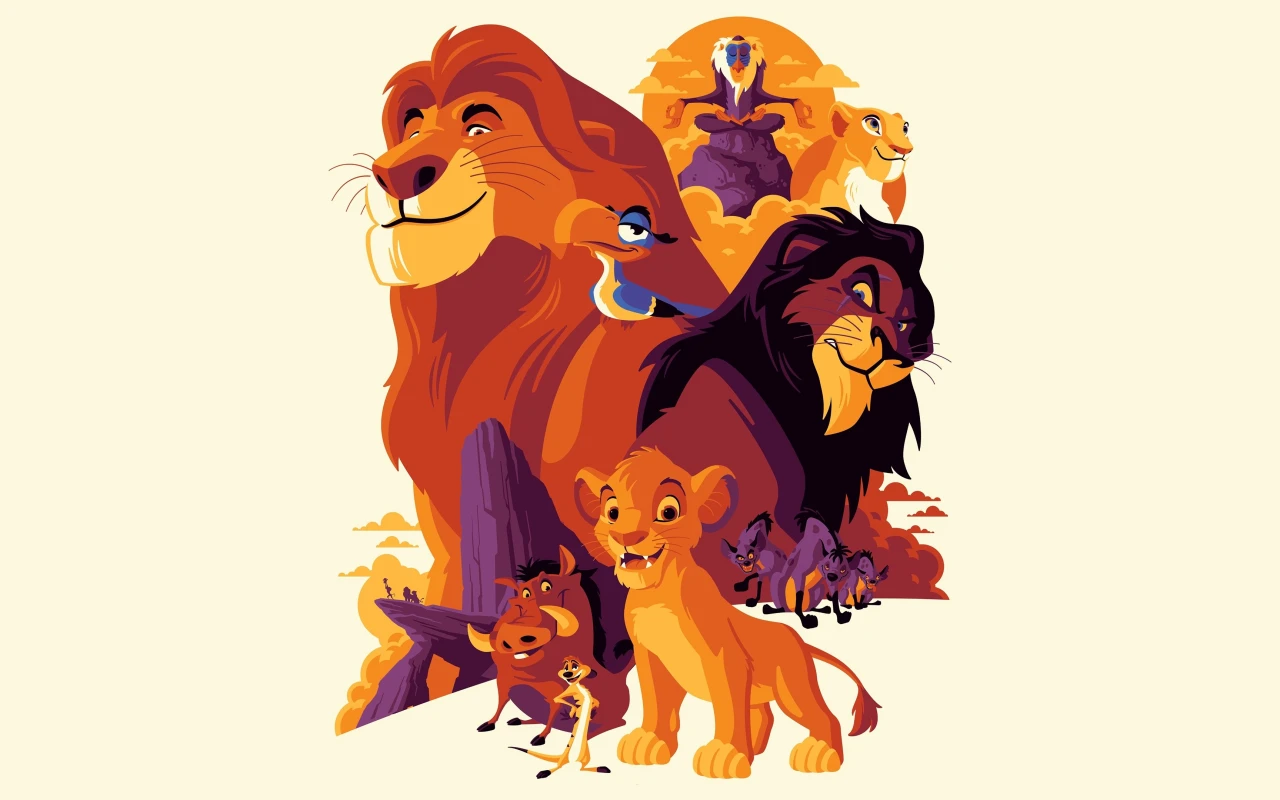
Lion King chant lawsuit: Comedian sued for $27M over viral "Circle of Life" parody. Lebo M alleges defamation & reputational harm.
- March 28, 2026
AceShowbiz - The iconic Disney film The Lion King has become the center of a legal battle following a viral comedic interpretation of its famous song, "Circle of Life." Comedian Learnmore Jonasi, who gained broader recognition after competing on America's Got Talent, sparked controversy with a humorous "translation" of the film's opening chant. This rendition, which took off online, has led to a lawsuit filed by the original chant’s creator, Lebohang "Lebo M" Morake, accusing Jonasi of damaging his reputation.
The complaint, officially filed on March 16, 2026, charges Jonasi with defamation, false advertising under the Lanham Act, trade libel, and tortious interference. Morake alleges that Jonasi’s portrayal of the chant, both on a podcast and in stand-up performances, intentionally misrepresented its meaning, thereby harming Morake’s professional standing and income. The musician is seeking $27 million in damages as a result of these claims.
On the One54 Africa podcast, hosted by Godfrey C. Danchimah Jr. and Akbar Gbajabiamila, Jonasi offered his version of the opening Zulu chant "Nants'ngonyama bagithi Baba," translating it as "Look, there's a lion. Oh my God." However, Disney’s official translation states the lyrics mean "All hail the king, we all bow in the presence of the king." Both Disney and Morake emphasize that the chant is a royal metaphor rather than a literal description of an animal’s appearance. It symbolizes honoring a king, not simply spotting a lion.
Responding to the lawsuit on March 24 via Instagram, Jonasi acknowledged the legal action with a mix of humor and defiance. He wrote, “Yep, I am officially getting sued for telling that Lion King joke. This is crazy. Any good lawyers out here please ?.” During his stand-up shows, he even shared a live reaction to being served legal papers, blending his defense with his comedic style.
Morake’s complaint states that Jonasi’s viral parody "mocked the chant’s cultural significance" and amounted to a "fabricated, trivializing distortion, meant as a sick joke for unlawful self-profit and destruction of the imaginative and artistic work of Lebo M." This legal action highlights the tension between cultural respect and comedic freedom in the digital age.
While lawsuits targeting jokes are uncommon due to protections under the First Amendment, Morake and his team argue that Jonasi’s statements, though comedic, were presented as authoritative facts rather than opinion or parody. The use of the Lanham Act, which typically addresses counterfeit goods and false advertising, to challenge a comedian's routine is a novel approach in entertainment law.
This case is still in its early phases and, if it proceeds, could set important precedents regarding the limits of parody and freedom of speech versus the protection of cultural and artistic integrity. The eventual ruling will likely hinge on how a judge interprets the balance between harmful misinformation and protected expression.
As the dispute unfolds, it calls attention to the complexities involved when humor intersects with cultural heritage and intellectual property. The outcome may influence future cases where artistic works and their interpretations collide in the public sphere.