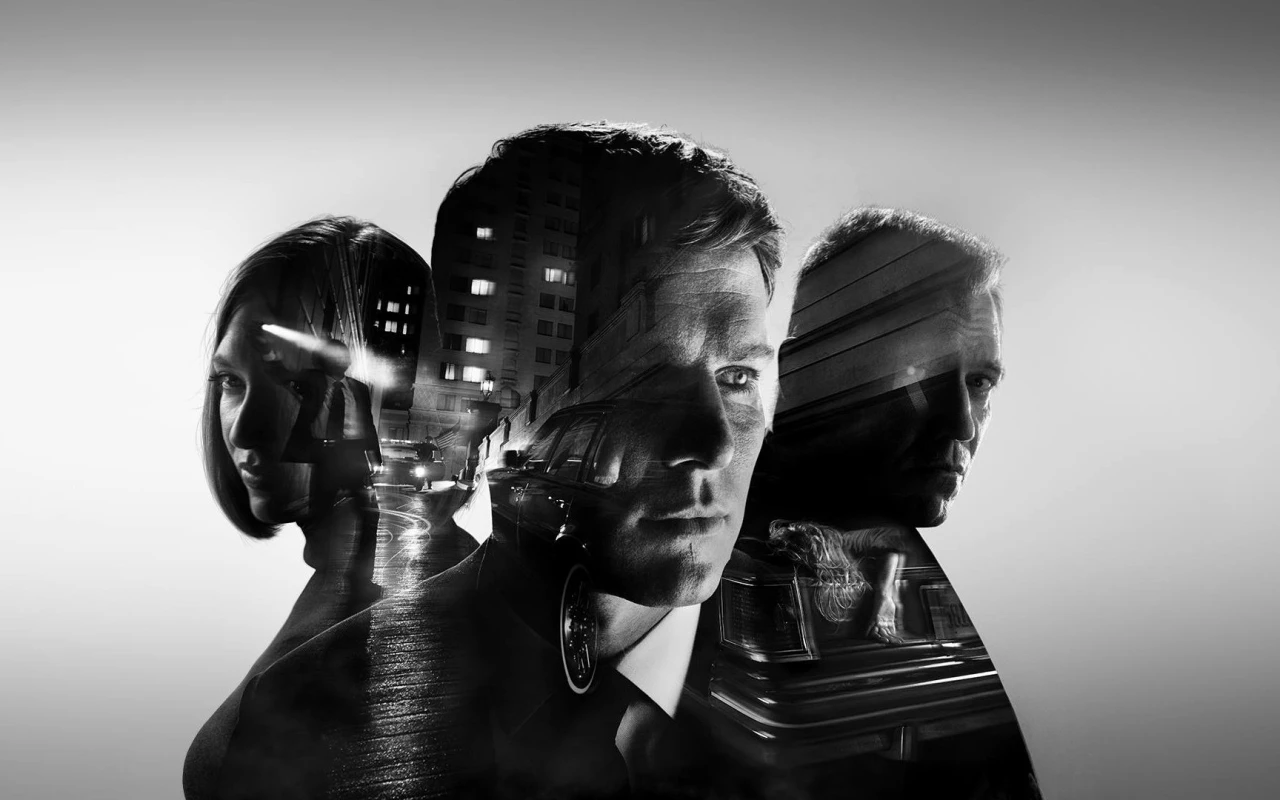
Dive into the criminal mind with David Fincher's Mindhunter. Explore the real-life origins of FBI profiling in this acclaimed Netflix psychological thriller.
- March 25, 2026
AceShowbiz - Mindhunter stands as one of the most compelling crime series Netflix has ever produced, showcasing a meticulous exploration of criminal psychology and profiling. Created by David Fincher, a filmmaker renowned for his dedication to studying criminal behavior through films like Se7en, Zodiac, and Gone Girl, the show combines a dark, psychological thriller tone with deeply human storytelling.
Mindhunter premiered with two seasons from 2017 to 2019, earning acclaim for its original narrative closely inspired by the real-life experiences of FBI profiler John Douglas. The series follows FBI Agent Holden Ford, portrayed by Jonathan Groff, who becomes engrossed in the psychology of serial killers after a traumatic event sidelines him from active field duty. Partnering with fellow FBI Agent Bill Tench (Holt McCallany) and psychologist Wendy Carr (Anna Torv), Ford embarks on a groundbreaking study to understand the minds behind some of America’s most notorious murderers.
Unlike typical crime dramas, Mindhunter expertly fuses serialized storytelling with procedural elements. Ford and Tench’s work assisting local law enforcement with ongoing cases allows the show to explore varying criminal investigations while delving into the complex dynamics between the characters. Ford’s unwavering belief in the inherent evil of killers contrasts with Tench’s more grounded, ethical dilemmas, such as when his adopted son becomes involved in a criminal incident. These personal conflicts enrich the narrative, making the series much more than a typical crime procedural.
The show’s distinctive approach is highlighted through its portrayal of chilling serial killers like Elmer Wayne Henley and Charles Manson, portrayed respectively by Robert Aramayo and Damon Herriman. The tension between Ford’s intense, sometimes obsessive methods and Tench’s more cautious, empathetic style creates a gripping dynamic, providing both actors roles that have been described as career-defining. This blend of psychological insight and character-driven storytelling sets Mindhunter apart in the crowded crime drama genre.
David Fincher’s role as producer and director was crucial in establishing the series’ unique tone and high production values. Notably, the second season features standout episodes directed by Andrew Dominik, including a tense standoff between Ford and Manson, which masterfully captures the FBI’s struggle to understand a killer who has fully embraced his cult identity. Another significant portion of season two, focusing on the Atlanta child murders, was directed by Carl Franklin, whose work emphasizes the investigative challenges caused by Ford and Tench’s outsider status and implicit biases. These episodes underscore the series’ willingness to confront difficult issues beyond the murders themselves, including racial tensions and systemic failures.
The show’s dark, often unsettling atmosphere is balanced with moments of dry humor and an expertly curated soundtrack featuring iconic artists like Talking Heads and David Bowie. These elements contribute to a viewing experience that is both intellectually stimulating and emotionally resonant.
Ultimately, the two existing seasons of Mindhunter remain a high watermark in crime television, blending psychological depth, procedural intrigue, and powerful performances. The show’s ability to humanize both investigators and killers, while confronting ethical and societal issues, cements its reputation as a masterpiece within the genre. Even without a confirmed return, Mindhunter stands as a testament to the potential of streaming platforms to produce thoughtful, artistically ambitious content.