Afroman sued by Ohio deputies over raid video. ACLU calls lawsuit "absurd." No charges were filed in the 2022 incident.
- March 14, 2026
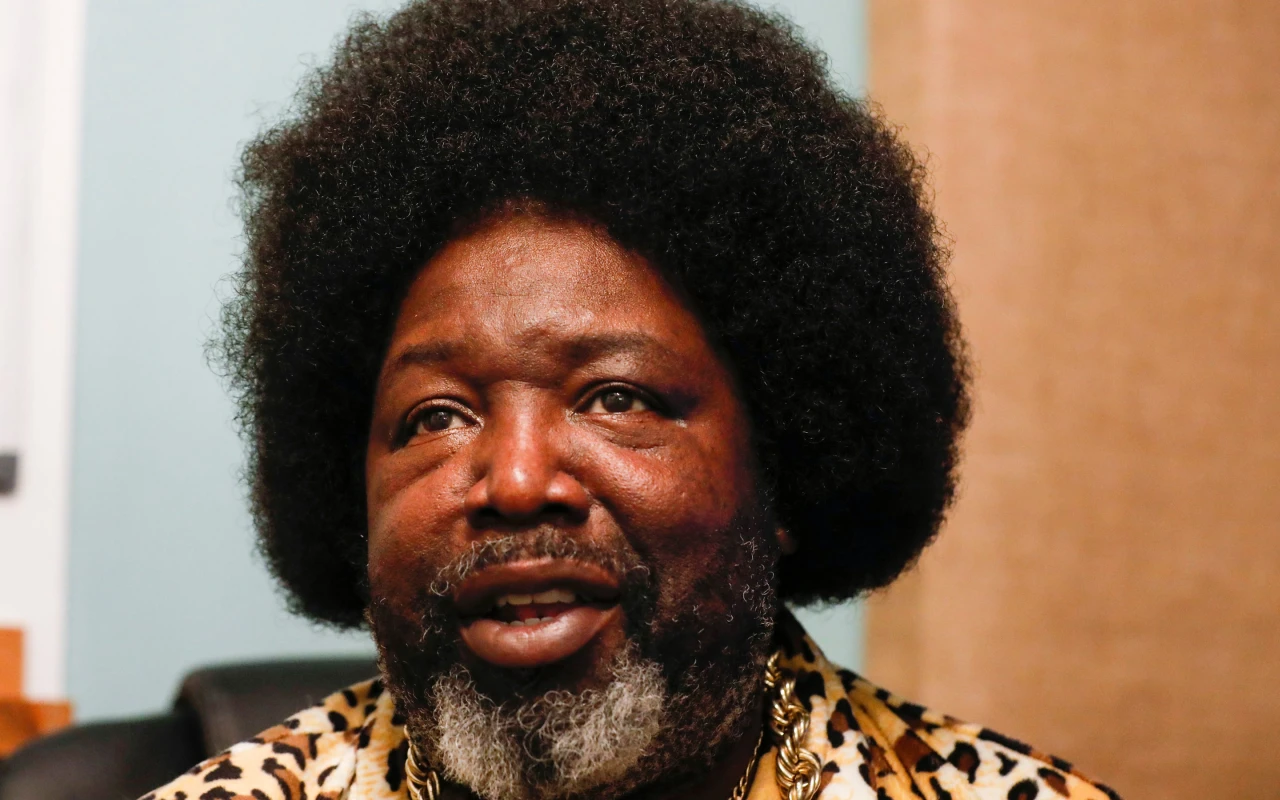
AceShowbiz - Afroman, the rapper renowned for his 2000 hit "Because I Got High," is set to appear in court next week in a highly unusual lawsuit initiated by officers from an Ohio sheriff’s department. The American Civil Liberties Union (ACLU) has condemned the legal action as “nothing short of absurd.”
The dispute stems from a 2022 police raid on Afroman's Ohio residence. Seven deputies from the Adams County Sheriff’s Department launched the search with guns drawn, forcibly entering the home and confiscating $5,031 in cash along with other items. The raid was conducted under suspicions related to drug trafficking and kidnapping, but ultimately no charges were filed, and the seized money was returned.
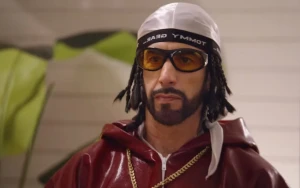
Following the raid, Afroman used video footage of the incident—captured during the search—in various social media posts and a music video, criticizing the officers for what he described as excessive force and property damage. The video prominently featured in his 2022 song "Lemon Pound Cake," where he satirically mocked the law enforcement officers with lyrics such as, "He's a Adams County Sheriff/ He's hungry and he's big as hell."
Seven of the officers involved in the raid—Shawn D. Cooley, Justin Cooley, Michael D. Estep, Shawn S. Grooms, Brian Newland, Lisa Phillips, and Randolph L. Walters, Jr.—responded by filing a civil lawsuit against Afroman in 2023. Their complaint accuses the rapper of causing them “emotional distress” and alleges unauthorized commercial use of their likeness, invasion of privacy, and defamation. The officers claim they have faced threats, including death threats, due to Afroman’s social media activity.
Afroman and his legal team have vigorously defended the use of the footage, arguing the case infringes on his First Amendment rights. They contend that government officials, such as these deputies, must accept public criticism, particularly when it concerns alleged misconduct that happened in a citizen’s own home.
In legal filings, his attorneys stated, "The plaintiffs in this case seek to tamp down and stifle the defendants’ First Amendment rights and are using the judicial system to quell protected speech that they do not agree with."
Earlier in the case, an Adams County judge dismissed some of the officers' claims, recognizing that public servants must expect criticism when performing their duties. However, the court allowed defamation and certain privacy-related allegations to proceed to trial, which is scheduled to begin on Monday, March 16.
Alongside defending against the lawsuit, Afroman filed a countersuit accusing the officers of destruction of property, trespassing, illegal search and seizure, and other misconduct. That countersuit was dismissed last month, narrowing the upcoming trial’s focus to the officers’ claims against the rapper.
The ACLU has been outspoken in criticizing the lawsuit. In their 2023 court filing, they described the officers’ allegations of invasion of privacy—filed in response to a forced entry into Afroman’s home—as “nothing short of absurd.” The organization framed the case as a direct challenge to free speech protections, emphasizing that the First Amendment most fiercely defends criticism of public officials on matters of public concern.
“Plaintiffs are a group of law enforcement officers who executed what appears to have been a highly destructive and ultimately fruitless search of a popular musician’s home. Now they find themselves at the receiving end of his mockery and outrage,” the ACLU stated.
The upcoming trial will be held at the Adams County Court of Common Pleas before Judge Jonathan Hein. Both Afroman and the deputies are expected to testify. Evidence will include bodycam footage from the raid, the search warrant documents, and the videos that sparked the lawsuit.
During the trial, the officers’ legal team is anticipated to argue that Afroman’s public criticisms and use of the footage have jeopardized their ability to safely and effectively perform their official duties. Meanwhile, Afroman’s attorneys will likely reiterate their position that this case represents an attack on the rapper’s constitutional right to free expression.
This case highlights ongoing tensions between law enforcement officers’ privacy claims and the public’s right to hold officials accountable through speech and artistic expression. With its First Amendment implications, the trial is poised to be closely watched by free speech advocates and legal experts alike.
This article is based on reporting originally published by Billboard.