TikTok creator ordered to pay $10M to professor for false murder accusations. A landmark defamation case highlights the cost of online lies.
- March 13, 2026
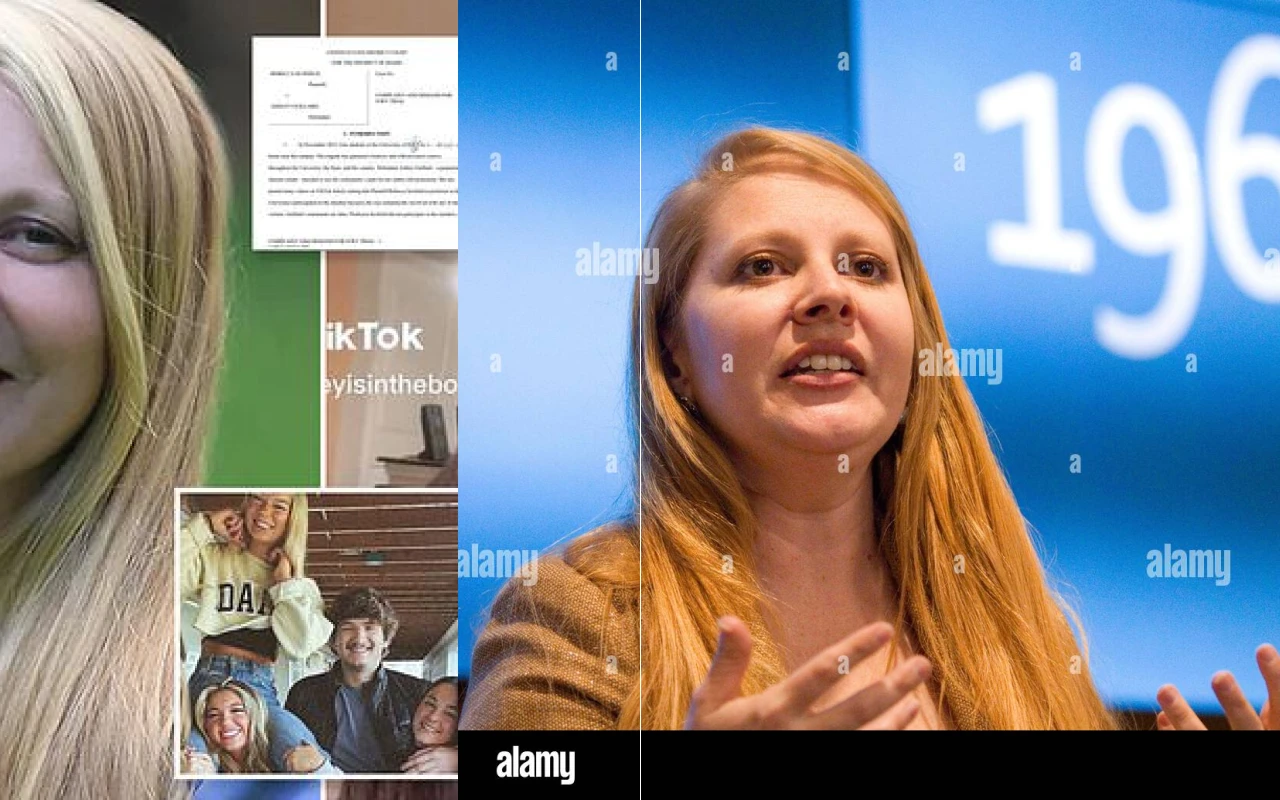
AceShowbiz - Ashley Guillard, a content creator on TikTok, has been ordered by a jury to pay $10 million in damages to University of Idaho professor Rebecca Scofield following defamatory allegations made in a series of videos. The influencer accused Scofield of being involved in the 2022 murders of four University of Idaho students, claims that were proven false in court.
The verdict was reached on Friday, February 27, with jurors awarding Scofield $6.5 million for the false accusations linking her to the quadruple homicides and an additional $3.5 million for claims that she had an inappropriate relationship with a student. This total of $10 million underscores the serious consequences of spreading false information online.
Scofield issued a statement through People magazine emphasizing the significance of the ruling: "The $10 million verdict reinforces the judge's decision and sends the clear message that false statements online have consequences in the real world for real people and are unacceptable in our community." She further reflected on the tragic events, calling the murders “the darkest chapter in our university's history” and stressed the importance of respecting victims during such tragedies.
The original lawsuit was brought by Scofield after Guillard posted multiple TikTok videos falsely implicating the professor in the murder of four students at the University of Idaho. The content creator went so far as to allege that Scofield had a romantic relationship with one of her students, further damaging the professor’s reputation.
On November 13, 2022, Bryan Kohberger entered the Moscow, Idaho home shared by students Madison "Maddie" Mogen, Kaylee Goncalves, Xana Kernodle, and Ethan Chapin. All four, aged 20 and 21, were fatally stabbed. Kohberger later pleaded guilty and received four life sentences for the murders.
In a related development, the families of the victims filed a negligence lawsuit against Washington State University, where Kohberger was pursuing a Ph.D. in criminal justice and criminology and working as a teaching assistant. The lawsuit alleges institutional responsibility in relation to the crimes.
Scofield claimed in her lawsuit that Guillard’s accusations severely harmed her career and personal life. The videos amassed millions of views and were widely shared, escalating the damage. Despite cease-and-desist letters from Scofield’s legal team, Guillard continued posting defamatory content.
As a result of the false allegations, Scofield, 40, testified that she lost her privacy and security, suffering severe emotional distress. She described her experience in court, saying, "It was like a stone on my chest that was not crushing me, it was dissolving me. I was unraveling underneath the weight of it." The emotional trauma led to chronic headaches and nerve damage.
During the trial, jurors were presented with evidence about how viral online defamation can negatively affect employment opportunities, damage professional reputations, and reduce long-term earnings—even when the allegations are completely untrue.
Guillard, 41, chose to represent herself in court. She defended her accusations by claiming they were based on clairvoyance rather than factual evidence. She testified, "We work with intuition, not facts. The facts are the job of law enforcement, not a psychic."
Furthermore, Guillard attempted to link Scofield’s later health issues to a hysterectomy she underwent weeks after the murders. However, Scofield countered that she fully recovered from the surgery and that medical professionals, including a therapist, attributed her physical ailments to the emotional damage caused by the false claims.
Cameras were not allowed to record the court proceedings, maintaining a level of privacy during the trial.
In a separate but related note, Bryan Kohberger is reportedly struggling in prison at the Idaho Maximum Security Institution. He has complained about harassment from other inmates and alleged mistreatment from prison staff, including claims of being deprived of food and poor-quality meals. Kohberger, a devout vegan, filed complaints citing inadequate food portions and the quality of fruit, especially bananas, which he claims have not been properly replaced or addressed by prison officials.
The trial’s outcome sends a powerful message about the real-world implications of false accusations on social media platforms and highlights the importance of accountability for online content creators.