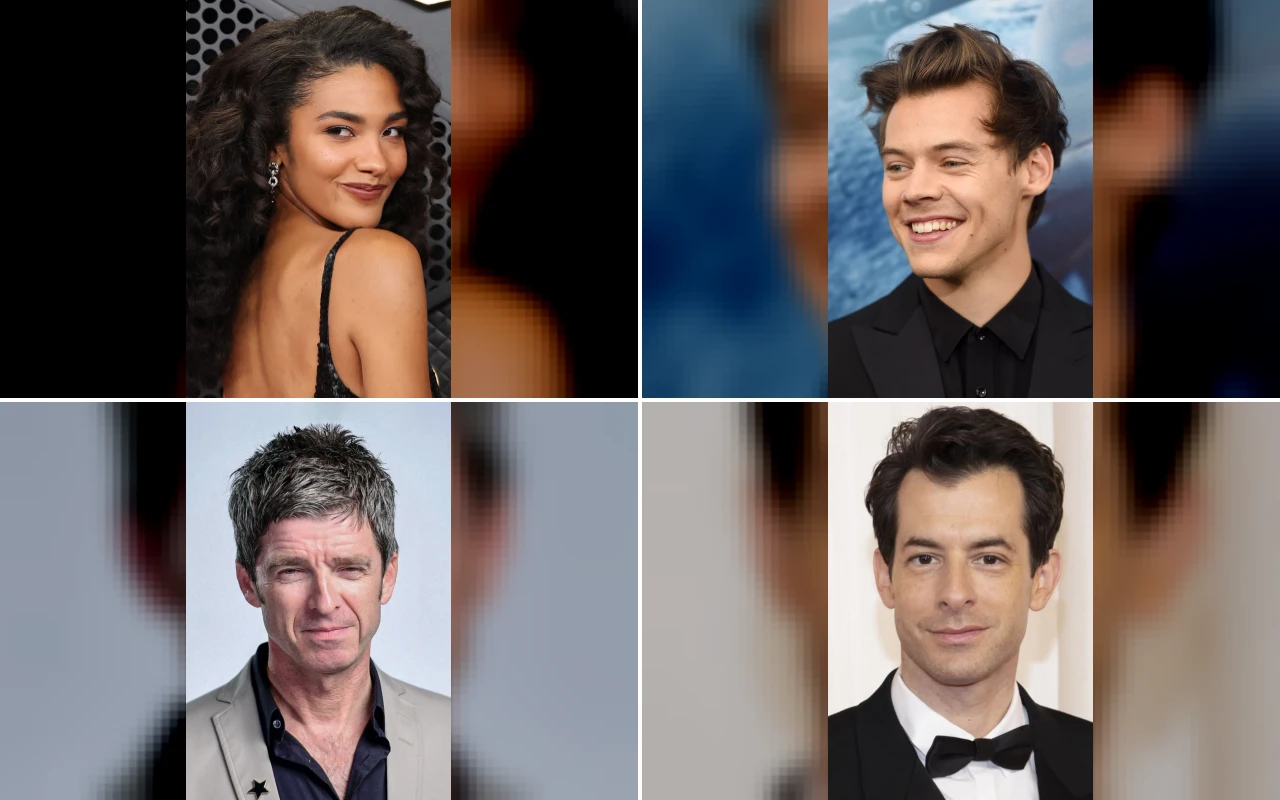
Manchester hosts the 2026 Brit Awards. Olivia Dean dominates, winning four awards including Album of the Year after her Grammy success.
- March 5, 2026
AceShowbiz - As the 2026 Brit Awards made history by taking place outside London for the first time, the city of Manchester embraced the event with enthusiasm, even renaming a local train station from Deansgate to Olivia Deansgate in honor of the night’s standout star. The ceremony, packed with memorable moments and notable performances, was dominated by the remarkable success of Olivia Dean, who emerged as the evening’s biggest winner.
Olivia Dean, who recently secured a Grammy for Best New Artist, was the focal point of British music’s resurgence at the awards. She took home four of the five categories she was nominated in: Album of the Year, Artist of the Year, Pop Act, and a share of Song of the Year for her duet with Sam Fender on "Rein Me In." Her performance of “Man I Need” was one of the night’s highlights, showcasing a breezy, old-school mainstream appeal that captivated the audience.
Unlike some previous years when artists like Charli XCX, Raye, and Harry Styles have dominated, Dean faced stiff competition from equally talented contenders, reflecting the vibrant and competitive state of the UK music scene today. Her multiple acceptance speeches, filled with tears and humble gratitude, emphasized the album’s theme of love in a seemingly loveless world, though she offered few quotable lines, underscoring a genuine emotional response rather than calculated rhetoric.
The ceremony itself was a throwback to the unpredictability and excitement reminiscent of the mid-1990s Britpop era. The event kicked off with Harry Styles delivering a powerful performance of “Aperture” from his upcoming album Kiss All the Time, Disco Occasionally, creating an immediate buzz ahead of its Friday release. Meanwhile, Raye impressed with a brassy James Bond-themed medley featuring “Where Is My Husband?” and “Nightingale Lane.”
Another standout performance came from Wolf Alice, who marked their evolution from indie hopefuls to full-fledged rock stars with an intimate acoustic rendition of “The Sofa.” The performance’s unique living room setting culminated in frontwoman Ellie Rowsell being lifted by her dancers, a symbolic elevation of the band’s status. Wolf Alice also won Group of the Year, with Rowsell using her speech to advocate for better support of grassroots venues and musicians, stressing that a career in music should be a viable choice rather than a rare opportunity.
This year’s Brit Awards relied less on international headliners than in previous years, with the notable exception of International Artist of the Year winner Rosalía. She brought dramatic flair with a rendition of “Berghain,” enhanced by a surprise appearance from Björk. Her playful Liam Gallagher impression during a conversation with host Jack Whitehall added a lighter touch to the proceedings.
However, not all performances hit the mark. Alex Warren’s rendition of “Ordinary,” accompanied by James Blunt on piano, lived up to its name despite Whitehall’s humorous quip about Blunt’s microphone absence. The KPop group Demon Hunters’ pre-recorded segment failed to engage the live audience, and Sombr’s staged confrontation with a faux stage invader barely made a ripple amidst the industry’s history of real stage invasions.
The ceremony also featured its share of controversy, primarily through Whitehall’s edgy humor. His jokes about the Epstein files were censored from the live broadcast, including a notable quip involving Peter Mandelson. Whitehall also provoked members of Happy Mondays, Shaun Ryder and Bez, into making disparaging remarks about Paddington Bear. On the political front, Geese bassist Max Bassin used his acceptance speech for International Group of the Year to voice strong statements, including “Free Palestine, fuck ICE.” Meanwhile, Noel Gallagher closed his Songwriter of the Year acceptance with a provocative Manchester City football chant that drew boos from a divided local crowd.
Despite these moments, the evening underscored a resurgence of confidence in British music. The strength of UK artists raised questions about the necessity of some international slots, especially given the wealth of homegrown talent. Breakthrough Artist winner Lola Young, who performed “Messy” last year, was seen as deserving of another performance, while Lily Allen’s highly acclaimed album West End Girl sparked rumors of a possible but unrealized appearance.
The atmosphere at the Co-op Live Arena was electric, marking a successful recovery from its troubled 2024 launch. Industry heavyweights flooded into Manchester, including Universal Music EVP Andrew Kronfeld, Republic Records co-founder Monte Lipman, Warner Records co-chairman Tom Corson, and Sony Music chief Rob Stringer, who attended after watching Luton Town’s match earlier in the day. Key UK music executives such as Dickon Stainer, Jason Iley, Jo Charrington, Louis Bloom, Ben Mortimer, Tom Lewis, Dipesh Parmar, and Stacey Tang, the BRITs chair and showrunner, were also present, contributing to the event’s high-profile stature.
The days leading up to the awards saw a flurry of activity across Manchester’s music venues. Universal Music hosted a vibrant showcase at Aviva Studios featuring Simon Cowell’s new boyband December 10, along with Flo and Holly Humberstone. Island Records spotlighted fresh talents Keo, Dermot Henry, and Sinéad Ashiokai at Yes, while underplay shows featured appearances by Olivia Dean, the Foo Fighters, and Robbie Williams.
Williams also played a poignant role during the ceremony, leading a tribute to Ozzy Osbourne in honor of the late rock icon’s posthumous Lifetime Achievement award. Handpicked by Sharon Osbourne, who delivered a heartfelt tribute to her “gorgeous husband,” Williams performed “No More Tears” with a band including many musicians who had played with Osbourne over the years. Although the tribute received mixed reactions due to the contrast between Osbourne’s dark legacy and Williams’ light entertainment style, the emotional resonance carried the moment. Additional tributes included Tim Burgess of The Charlatans honoring Gary “Mani” Mounfield, a celebrated Manchester musician associated with the Stone Roses and Primal Scream.
Another highlight was the Outstanding Contribution award presented to Mark Ronson, who paid homage to Amy Winehouse during his acceptance speech and performance. He credited their collaborations as the foundation of his career, delivering a powerful set that included Winehouse’s voice on “Back to Black” and “Valerie.” Joined by Ghostface Killah and Dua Lipa, Ronson delivered a show-stopping moment that stood out among the night’s many performances.
The ceremony’s closing moments featured Noel Gallagher, a Manchester native and cultural icon, receiving Songwriter of the Year for the fourth time in the award’s five-year history. Known primarily as an artist, Gallagher’s win sparked debate due to his polarizing figure and outspoken nature. His speech, peppered with local football references, highlighted his enduring connection to Manchester’s music and cultural scene.
Overall, the 2026 Brit Awards in Manchester offered a vibrant, unpredictable, and emotionally charged celebration of British music. With Olivia Dean leading the charge, the event marked a new chapter for the awards ceremony and the UK music industry’s growing confidence on the global stage.