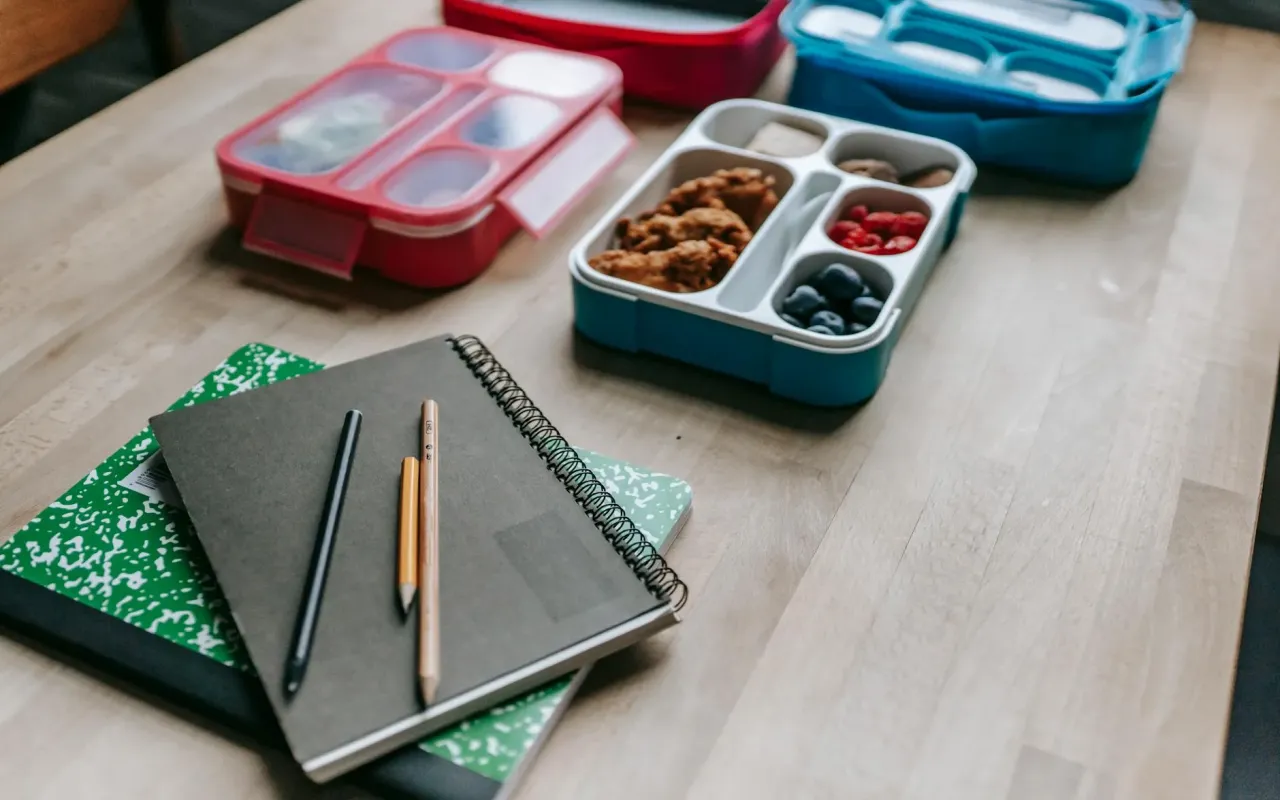
Ditch the sad desk salad and expensive takeout. Discover practical, delicious meal prep ideas to make your workweek lunches healthy, satisfying, and stress-free.
- March 21, 2026
Your Desk Lunch Deserves Better Than a Soggy Sandwich
Let's be honest. The midday meal at work is often a low point. It's either a rushed, overpriced takeout salad that leaves you hungry by 3 PM, or a sad, soggy sandwich you threw together while half-asleep. You know you should eat better, but when time is scarce, convenience wins. This cycle isn't just bad for your wallet; it sabotages your energy, focus, and health goals.
But what if your lunch was something you genuinely looked forward to? A meal that was nourishing, delicious, and ready to grab from your fridge without a second thought. That's the real power of strategic meal prep. It's not about eating bland chicken and broccoli for five days straight. It's about smartly preparing components that you can mix, match, and transform into lunches you'll crave. The goal is to make the healthy choice the easy, and most appealing, choice.
This approach saves you significant money—easily $50-$75 a week compared to daily takeout. More importantly, it gives you control over your ingredients, portions, and nutrition. You can pack in the veggies, lean proteins, and whole grains that fuel your brain and body for the afternoon slump, avoiding the post-lunch carb coma. Let's move beyond the boring basics and build a lunch routine that works for your real life.
Master the Mindset: Prep Components, Not Just Meals
The biggest mistake people make is preparing five identical containers of a single recipe. By Wednesday, you're bored, and by Friday, you're tossing it out. The secret to sustainable meal prep is to think like a restaurant chef: prep versatile building blocks. Instead of making a final dish, you cook foundational ingredients that can be assembled in multiple ways throughout the week.
This method is flexible and prevents palate fatigue. It also accounts for the reality that your mood and cravings might change. One day you might want a warm bowl, the next a cool salad. With a fridge stocked with ready-to-go components, you have the freedom to choose.
Your Weekly Foundation Trio
Every Sunday, focus on these three categories. They form the backbone of countless lunch combinations.
- A Lean Protein (2-3 options): Batch-grill or bake chicken thighs, pan-sear a pack of firm tofu, slow-cook a pork tenderloin, or simmer a pot of lentils or black beans. Season them simply with salt, pepper, and a basic spice blend so they can adapt to different cuisines later.
- A Complex Carb (1-2 options): Cook a big pot of quinoa, brown rice, or farro. Roast a large tray of sweet potato cubes or chop a whole butternut squash. These provide lasting energy and substance.
- Roasted & Fresh Veggies (a rainbow): Roast two sheet pans of hardy vegetables like broccoli, bell peppers, zucchini, and cauliflower with olive oil and garlic. Also, wash and chop crunchy raw veggies like cucumbers, carrots, and snap peas for freshness.
Actionable Tip: This Sunday, roast a tray of chicken breasts with olive oil, salt, and paprika. Simultaneously, cook one cup of dry quinoa and roast two heads of broccoli florets. You've just created the base for grain bowls, salads, and wraps for days.
Build Your Bowl: The No-Reheat Lunch Champion
For offices with limited microwave access or for those who prefer a cool lunch, the grain bowl or "power bowl" is your best friend. It's a layered, visually appealing meal that stays fresh and crisp. The key is keeping wet ingredients separate from dry until you're ready to eat to avoid sogginess.
Start with your pre-cooked grain or greens as a base. Add a portion of your prepped protein. Then, layer on your roasted and raw vegetables for different textures. The magic happens with the toppings and dressing. A handful of nuts, seeds, a sprinkle of cheese, or a dollop of a flavorful sauce can completely transform the bowl.
Consider creating themed bowls to keep things exciting. A "Mediterranean Bowl" could have quinoa, lemon-herb chicken, roasted peppers, cucumber, kalamata olives, and a dollop of tzatziki. An "Asian-Inspired Bowl" might feature brown rice, teriyaki tofu, edamame, shredded carrots, and a drizzle of sesame-ginger dressing packed separately.
Actionable Tip: Use a glass container with a tight-sealing lid. Place your dressing or sauce in a small reusable container or at the bottom of a wide-mouth jar. Layer grains, then proteins, then sturdy veggies, with delicate greens on top. At lunch, just shake or mix to combine.
Revive the Wrap (Without the Sogginess)
Wraps get a bad rap for becoming damp and falling apart. But with a few simple tricks, they can be a fantastic, portable lunch option. The golden rule is to create a moisture barrier. Spread a thick layer of something creamy—like hummus, mashed avocado, goat cheese, or a bean spread—directly onto the wrap. This acts as a sealant against wetter ingredients.
Choose sturdy wraps like whole wheat tortillas, spinach wraps, or even large collard green leaves for a grain-free option. Load them with your prepped components: sliced chicken, spiced chickpeas, roasted veggies, and plenty of greens. Avoid adding dressing or juicy tomatoes directly; pack those on the side for dipping or adding at the last minute.
For easy assembly, lay out all your components assembly-line style. Portion your protein and veggies, then wrap them tightly, folding in the sides like a burrito. To keep them secure, wrap them in parchment paper and then foil, or store them in a snug container. They'll hold their shape perfectly in your lunch bag.
Actionable Tip: Make a big batch of white bean and rosemary spread. Use it as your moisture barrier in a wrap filled with roasted turkey, arugula, and sun-dried tomatoes. The flavor is robust, and the wrap will stay intact until lunch.
Embrace the Mason Jar Salad (It Really Works)
The mason jar salad is a meal prep classic for a reason—it genuinely keeps greens crisp for days. The science is simple: you create layers with the wettest ingredients (dressing) at the bottom and the most delicate (greens) at the top, preventing saturation. It's portable, portion-controlled, and looks beautiful.
Start with your dressing in the bottom of a quart-sized mason jar. Next, add hard, non-porous vegetables that can marinate a bit, like cherry tomatoes, cucumbers, or bell peppers. Then, layer your proteins, grains, and softer veggies like beans or corn. Finally, pack your greens (spinach, kale, mixed greens) and any nuts or seeds at the very top. When you're ready to eat, simply shake the jar vigorously to distribute the dressing, or dump it all into a bowl.
This method allows you to make 3-4 salads on Sunday that will still be fresh on Wednesday. It's perfect for using up small amounts of leftover grains and proteins. Think beyond basic greens: try a Greek salad with chickpeas, a Southwest salad with black beans and corn, or a Cobb salad with hard-boiled egg and turkey bacon.
Actionable Tip: For a fail-proof combo, layer balsamic vinaigrette, then halved cherry tomatoes, shredded chicken, cooked farro, diced avocado (squeeze of lime first), and top with baby spinach and walnuts. The avocado stays green thanks to the lime and its placement away from the dressing.
Smart Strategies for Success and Flavor
Preparation is only half the battle; making food you'll actually want to eat is the other. Flavor fatigue is the number one reason meal prep fails. Combat this by investing in a small arsenal of versatile, homemade sauces and dressings. A vibrant cilantro-lime crema, a spicy peanut sauce, or a simple lemon-tahini dressing can make the same basic components taste entirely new each day.
Your freezer is also a powerful ally. Soups, stews, and chili are ideal for making in large batches and freezing in individual portions. They reheat beautifully and provide a warm, comforting lunch. Muffin tins are perfect for freezing individual servings of pesto or blended sauces in ice cube trays for easy thawing.
Finally, equip yourself for success. Invest in a set of good-quality, leak-proof glass containers in various sizes. Get a durable lunch bag with an ice pack. Keep a basic "desk drawer pantry" at work with backup items like good sea salt, pepper flakes, a bottle of olive oil, or some shelf-stable dressings for emergencies. This removes all friction from the process.
Actionable Tip: This weekend, make a double batch of a versatile sauce like a Greek yogurt-based ranch or a ginger-scallion sauce. Store it in a squeeze bottle in your fridge. A quick zigzag over your prepped ingredients instantly elevates your lunch from routine to restaurant-quality.
Turning Intention into a Sustainable Habit
The true benefit of this approach isn't just a better lunch; it's reclaiming your midday break and your energy. When you're not stressed about what to eat or dealing with a post-takeout slump, you have more mental space for your actual work and life. This system is designed for adaptability, not rigidity. Some weeks you'll prep like a pro; other weeks, you might only manage to hard-boil a dozen eggs and wash some lettuce. That's still a win.
Listen to your cravings and seasonal produce. In the summer, focus on fresh salads and cold noodle bowls. In the winter, lean into hearty soups and warm grain bowls. The framework remains the same—proteins, carbs, veggies—but the flavors and textures rotate. This prevents the whole endeavor from feeling like a chore.
Start small. Don't try to prep five elaborate meals. Commit to preparing your foundational trio for just three days. Notice how much time and money you save, and how much better you feel. That positive reinforcement is what will turn this from a project into a seamless part of your routine. Your future self, enjoying a delicious and nourishing lunch at your desk, will thank you.