Kim Kardashian's Hulu legal drama All's Fair faces harsh criticism. Critics call its 'girlboss' theme clumsy, condescending, and ironic given its male-led cr...
- November 5, 2025
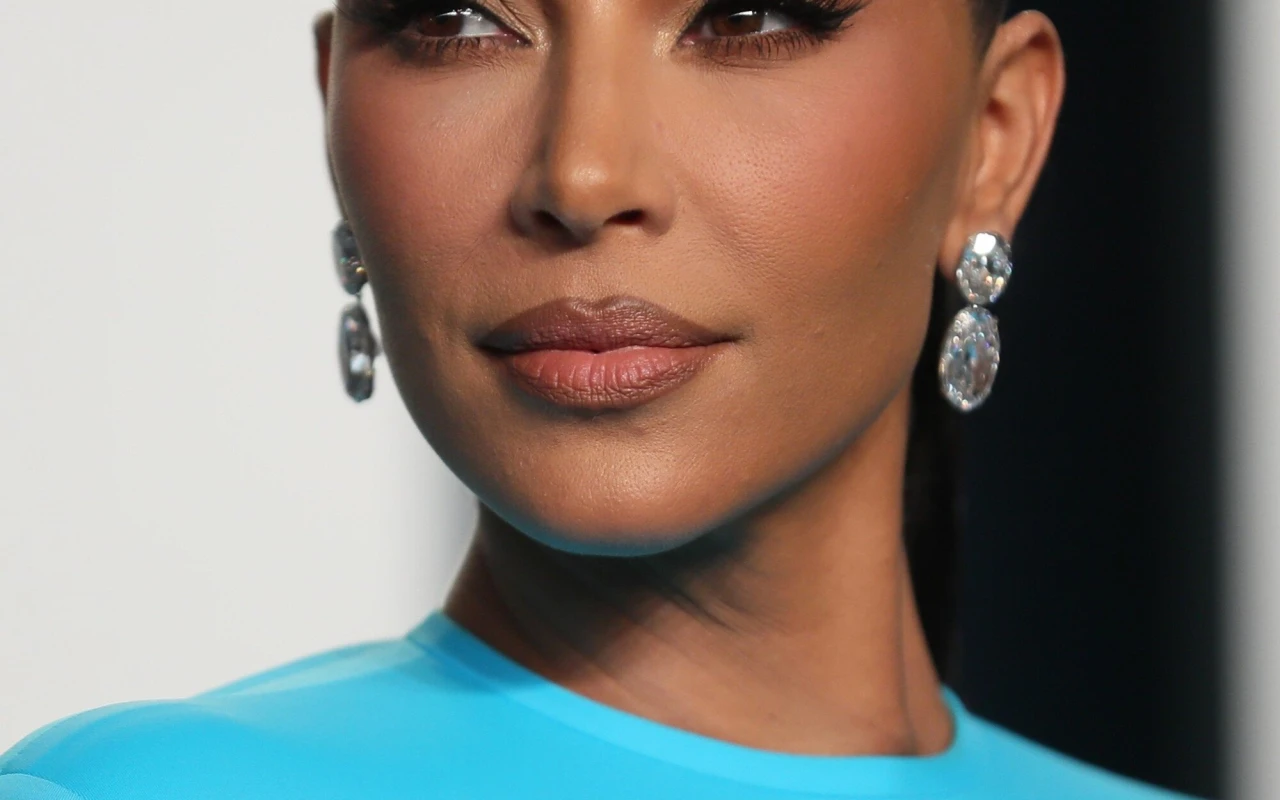
AceShowbiz - All's Fair, the much-anticipated legal drama starring Kim Kardashian, has premiered on Hulu to a largely critical reception. This new series, ostensibly centered on themes of women's empowerment and legal prowess, unfortunately falls short. Critics have widely described its execution as both clumsy and condescending, particularly in its portrayal of a "girlboss fantasia."
The review of the first three episodes highlights a significant irony: despite its "girlboss" narrative, the pilot episode of All's Fair was reportedly written and directed entirely by men. Further underscoring this point, only one of the initial three episodes features a major creative credit from a female writer, shared with co-creator Ryan Murphy. This creative imbalance, according to critics like Alison Herman, contributes to the show's superficial engagement with its own purported themes.
Co-created by Ryan Murphy, Joe Baken, and Jon Robin Baitz, All's Fair is characterized as a "half-baked" endeavor, even by the often-prolific Murphy's extensive standards. While some might argue the show leans into a camp-adjacent tone, potentially aiming for parody with its exaggerated scenarios, this intention seems to offer little solace from its perceived shortcomings. The series appears to significantly underestimate its audience, relying on a formula of disconnected scraps of sassy one-liners, flashy wardrobes, and generalized "men-ain't-shit" commiseration, rather than nuanced storytelling or genuine exploration of its subject matter. This approach ultimately reduces complex themes to simplistic tropes.
Ultimately, Kardashian's series struggles to transcend its own premise, presenting a vision of feminism that feels more like a "fantasia" than a grounded or insightful commentary. Its approach is seen as a disservice to both its compelling star and its potential for meaningful discourse, leaving viewers with a sense of missed opportunity and a production that seems to hold a low opinion of their intelligence.