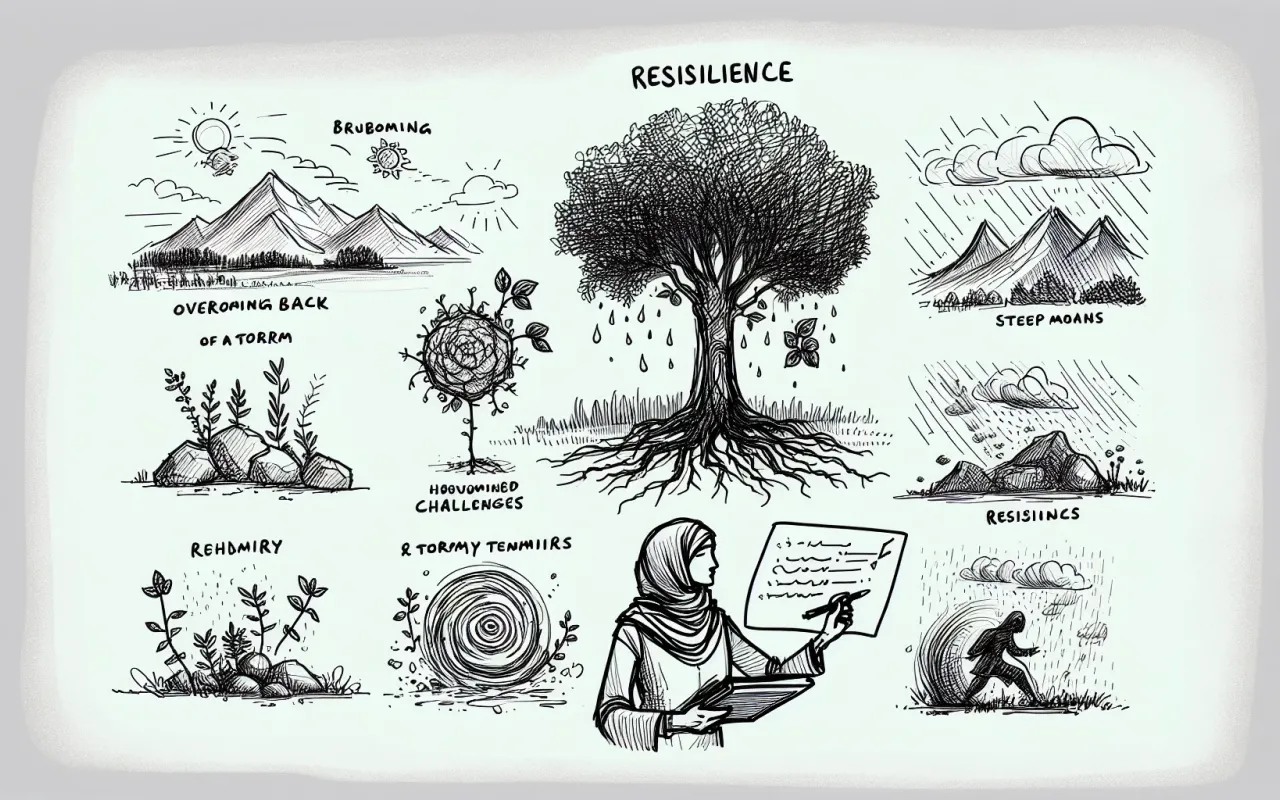
Discover expert tips on how to bounce back with resilience. Learn strategies to overcome challenges and build mental strength to handle life's obstacles effectively.
- November 26, 2024
Life is filled with ups and downs, and the ability to bounce back with resilience is crucial. Whether you're facing personal setbacks, professional obstacles, or unexpected crises, resilience helps you navigate through challenges with strength and determination. In this article, we'll explore expert tips on how to bounce back with resilience, providing you with practical strategies to build mental fortitude and overcome adversity.
Understanding Resilience
What is Resilience?
Resilience is defined as the capacity to recover quickly from difficulties. It's not about avoiding stress or adversity but rather about managing and adapting to it. Resilient individuals have the ability to maintain their mental well-being, bounce back from tough situations, and continue moving forward.
The Importance of Resilience
Building resilience is essential for mental health and overall well-being. It helps you handle stress more effectively, reduces the potential for mental health issues like depression and anxiety, and improves your ability to cope with change. Resilience also enhances your problem-solving skills and decision-making abilities, allowing you to face challenges head-on.
Strategies to Build Resilience
1. Cultivate a Positive Mindset
A key component of resilience is maintaining a positive outlook, even in difficult times. Focus on what you can control, and try to view challenges as opportunities for growth rather than insurmountable obstacles. Techniques such as positive self-talk, gratitude journaling, and visualization can help you foster a positive mindset.
2. Strengthen Your Support System
Relationships play a crucial role in resilience. Building a strong support system of friends, family, and colleagues provides emotional support and practical assistance during tough times. Engage in regular social activities, seek out supportive relationships, and don't be afraid to lean on others when needed.
3. Develop Problem-Solving Skills
Effective problem-solving skills can greatly enhance your resilience. Approach challenges methodically: identify the problem, brainstorm potential solutions, evaluate options, and implement a plan of action. Practicing these steps regularly can help you build confidence in your ability to navigate difficulties.
4. Prioritize Self-Care
Taking care of yourself physically, emotionally, and mentally is vital for resilience. Ensure you are getting adequate sleep, eating a balanced diet, and engaging in regular physical activity. Additionally, practice stress-reducing techniques such as mindfulness, meditation, and deep breathing exercises to maintain mental well-being.
5. Embrace Change
Change is an inevitable part of life. Embrace it rather than resist it. Resilient individuals are flexible and adaptable, able to adjust their plans and expectations as circumstances evolve. Cultivate an open-minded approach to change, and view it as an opportunity for new experiences and growth.
Overcoming Specific Challenges with Resilience
Dealing with Personal Loss
Personal loss, such as the death of a loved one, can be particularly challenging. Allow yourself to grieve and seek support from others during this time. Engage in activities that help you honor the memory of your loved one, and consider professional counseling if needed to navigate your emotions effectively.
Facing Professional Setbacks
Professional setbacks, such as being passed over for a promotion or losing a job, can impact your self-esteem and financial stability. Maintain a positive attitude by focusing on your strengths and accomplishments. Use setbacks as learning experiences to enhance your skills and better prepare for future opportunities. Networking and seeking mentorship can also provide valuable guidance and support.
Coping with Mental Health Issues
Manage mental health issues by seeking professional help, such as therapy or counseling. Establish a daily routine that includes activities that promote mental well-being and reduce stress. Stay connected with your support system, and engage in hobbies and interests that bring you joy and fulfillment.
Navigating Relationship Difficulties
When faced with relationship difficulties, effective communication is key. Practice active listening, express your feelings honestly, and work collaboratively to resolve conflicts. If necessary, seek the help of a professional counselor to mediate and guide discussions. Building resilience in your relationships can lead to deeper connections and understanding.
Conclusion: Building a Resilient Future
Resilience is an essential skill that empowers you to overcome life’s challenges and continue moving forward with strength and determination. By cultivating a positive mindset, strengthening your support system, developing problem-solving skills, prioritizing self-care, and embracing change, you can build the resilience needed to navigate through adversity. Remember, resilience is not about avoiding difficulties, but about facing them head-on and emerging stronger on the other side.
Start incorporating these expert tips on how to bounce back with resilience into your daily life, and you’ll be better prepared to handle whatever challenges come your way. With resilience, you can turn obstacles into opportunities and achieve a fulfilling, balanced, and successful life.