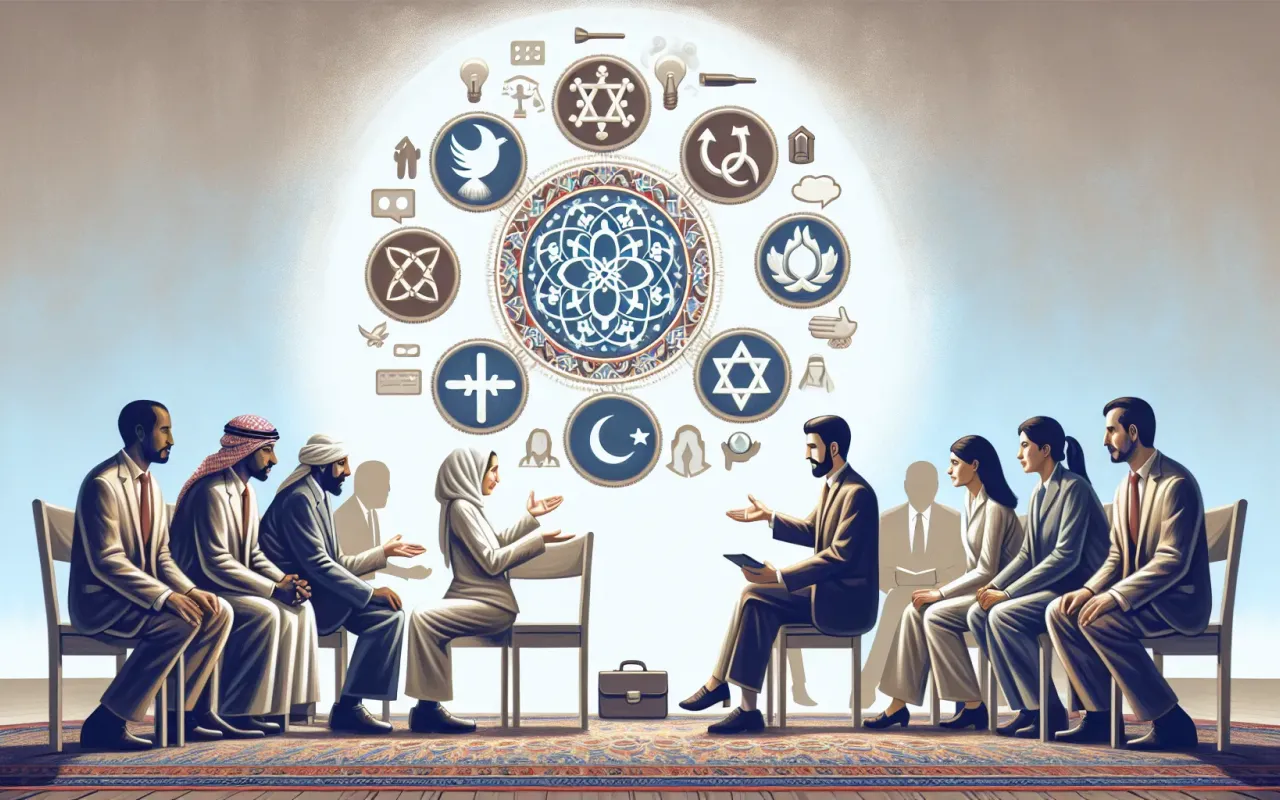
Explore 10 effective reconciliation techniques for mediators to master conflict resolution. Learn ways to facilitate productive discussions and achieve peaceful resolutions.
- November 25, 2024
Conflict resolution is an essential skill for mediators whose primary goal is to help parties reach a mutually acceptable agreement. Successful mediation requires expert techniques and strategies. In this article, we will explore ten effective reconciliation techniques for mediators, ensuring you become adept at resolving conflicts and fostering constructive discussions.
Understanding the Role of a Mediator
Before diving into specific reconciliation techniques, it's crucial to understand the role a mediator plays in conflict resolution. Mediators act as neutral third parties who facilitate discussions between conflicting parties, guiding them toward a mutually agreeable solution while ensuring emotions and tensions are kept under control.
1. Active Listening
Active listening is one of the most fundamental techniques in mediation. It involves fully concentrating, understanding, responding, and remembering what the parties are communicating. This technique helps build trust, shows empathy, and ensures that all parties feel heard and understood.
2. Neutral Facilitation
As a mediator, maintaining neutrality is paramount. It prevents any perception of bias and ensures all parties feel their perspectives are equally valued. Neutral facilitation involves staying impartial, not taking sides, and focusing on the process rather than the content of the conflict.
3. Encouraging Open Communication
Open communication is crucial for understanding and resolving conflicts. Mediators should create a safe environment where parties feel comfortable expressing their thoughts and feelings. Encouraging open dialogue helps uncover underlying issues and promotes transparency.
4. Identifying Common Interests
Focusing on shared interests rather than positions can help find common ground. Mediators should help parties identify their underlying needs and interests, which often reveals opportunities for compromise and collaboration.
5. Reality Testing
Reality testing involves helping parties see the practical implications of their positions and potential agreements. This technique brings a realistic perspective to the discussion, encouraging parties to consider the consequences of their choices and the feasibility of proposed solutions.
6. Reframing Issues
Reframing involves presenting issues in a different way to change the perception and approach to the conflict. Mediators can reframe negative statements into positive or neutral ones, which helps reduce defensiveness and promotes a more productive dialogue.
7. Mediated Agreements
Drafting agreements that are clear and concise can prevent future misunderstandings. Mediated agreements should be documented carefully, ensuring that all parties understand the terms and are committed to their implementation.
8. Conflict De-escalation Techniques
Conflict de-escalation techniques, such as calming language, empathy, and patience, help reduce tension and anger. Mediators should use these techniques to manage emotions, keep discussions on track, and facilitate a constructive resolution process.
9. Utilizing Caucuses
Caucuses are private meetings held between the mediator and one of the parties, separate from the other party. This technique can be beneficial for discussing sensitive issues, exploring options more freely, and reducing tension in joint sessions.
10. Follow-Up Sessions
Follow-up sessions help ensure that agreements are implemented and any new issues are addressed promptly. Mediators should schedule follow-ups to monitor progress, offer additional support, and reaffirm commitments made during the initial mediation.
Long-Term Conflict Resolution Practices
Mediators should also consider long-term conflict resolution practices, such as continuous training, staying updated with the latest mediation techniques, and fostering an ongoing commitment to impartiality and ethical practices. These efforts enhance their skills and the quality of mediation services provided.
Conclusion
Mastering the art of mediation requires a blend of empathy, neutrality, effective communication, and strategic techniques. By embracing these ten reconciliation techniques, mediators can navigate conflicts more efficiently, helping parties reach amicable resolutions and fostering lasting peace. Remember, the key to successful mediation lies in the mediator's ability to facilitate a process that respects the perspectives and needs of all parties involved.