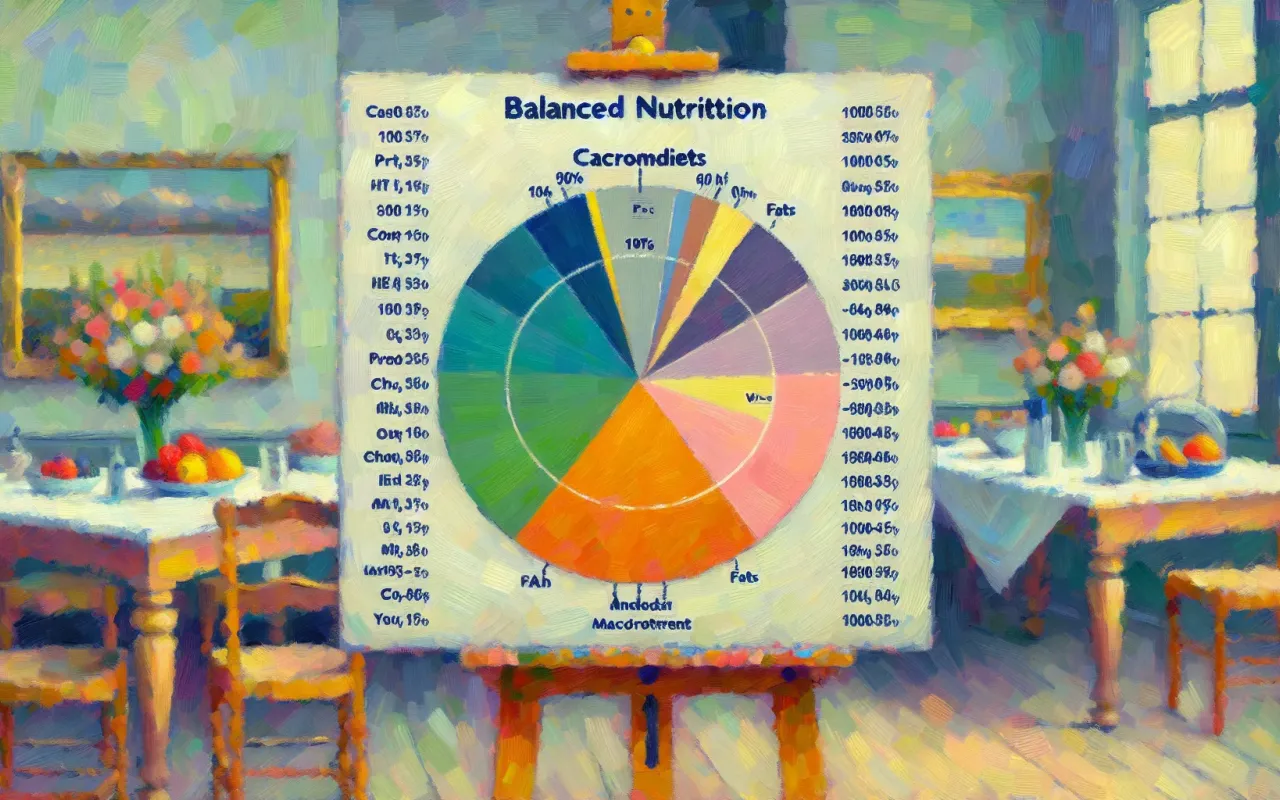
Understand the calories in macronutrients breakdown and discover the key to balanced nutrition. Learn how proteins, fats, and carbohydrates contribute to your daily caloric intake.
- October 28, 2024
In today’s health-conscious world, understanding the composition of the food we eat is paramount. One of the vital aspects of dietary knowledge is the breakdown of macronutrients and their caloric values. This article delves into the calories in macronutrients breakdown, providing a comprehensive guide to balanced nutrition.
Introduction to Macronutrients
Macronutrients are the essential nutrients that our bodies require in large amounts for energy, growth, and bodily functions. These include proteins, fats, and carbohydrates. Each macronutrient plays a distinct and crucial role in maintaining health and well-being.
The Caloric Value of Macronutrients
Proteins
Proteins are the building blocks of the body, crucial for muscle repair, enzyme production, and immune function. On average, proteins provide 4 calories per gram. High-protein foods include meats, fish, legumes, and dairy products.
Fats
Fats are a vital energy source, essential for cell structure, hormone production, and nutrient absorption. Fats are more calorie-dense compared to other macronutrients, offering 9 calories per gram. Sources of healthy fats include avocados, nuts, seeds, and olive oil.
Carbohydrates
Carbohydrates are the primary energy source for the body, particularly for the brain and muscles during physical activity. Carbohydrates also provide 4 calories per gram. They are found in foods such as fruits, vegetables, grains, and legumes.
Balancing Your Macronutrient Intake
Achieving a balanced diet involves consuming the right ratios of proteins, fats, and carbohydrates to meet your body’s individual needs. This balance can vary depending on factors like age, gender, activity level, and health goals.
Recommended Daily Intake
The USDA Dietary Guidelines recommend the following macronutrient distribution for a healthy adult:
- Proteins: 10-35% of daily caloric intake
- Fats: 20-35% of daily caloric intake
- Carbohydrates: 45-65% of daily caloric intake
Understanding Macronutrient Ratios
High-Protein Diet
A high-protein diet can aid in muscle building and fat loss. High-protein meal plans often recommend up to 35% of total daily calories from protein. This approach is beneficial for athletes and individuals looking to maintain or gain lean muscle mass.
Low-Carb Diet
Low-carb diets, such as the ketogenic diet, reduce carbohydrate intake to approximately 5-10% of daily calories, significantly increasing fat intake. This method encourages the body to enter ketosis, where it burns fat for energy instead of carbohydrates.
Balanced Diet
A balanced diet aims for a harmonious combination of all three macronutrients. This dietary approach ensures that you receive adequate energy and nutrients without overemphasizing any single macronutrient. It is often the most sustainable and holistic approach to long-term health.
Tips for Tracking Macronutrient Intake
Tracking your macronutrient intake can help ensure you meet your nutritional goals. Here are some practical tips:
- Use a food journal or nutrition tracking app to log daily intake.
- Read nutrition labels to understand the macronutrient content of packaged foods.
- Plan meals ahead of time to achieve the desired macronutrient balance.
- Consult with a nutritionist or dietitian for personalized advice.
Common Misconceptions about Macronutrients
All Fats are Bad
Not all fats are detrimental to your health. While trans fats and excessive saturated fats should be limited, unsaturated fats are beneficial and essential for optimal health. Including sources of healthy fats, such as omega-3 fatty acids, can enhance heart health.
Carbs Cause Weight Gain
The idea that all carbohydrates contribute to weight gain is a myth. Complex carbohydrates, like those found in whole grains, vegetables, and fruits, are crucial for providing sustained energy and supporting metabolic functions. Refined carbs should be moderated, but healthy carbohydrates can be part of a balanced diet.
Protein is for Bodybuilders
Protein is not just for those looking to build muscle. It is essential for everyone, contributing to skin health, hormone regulation, and overall bodily functions. Ensuring adequate protein intake is vital for maintaining overall well-being.
Concluding Summary
Understanding the calories in macronutrients breakdown is pivotal in crafting a balanced diet that meets your individual nutritional requirements. By recognizing the roles of proteins, fats, and carbohydrates, and how they contribute to your daily caloric intake, you can make informed dietary choices that enhance your health and support your goals. Remember, the key is balance and moderation, tailored to your unique needs.