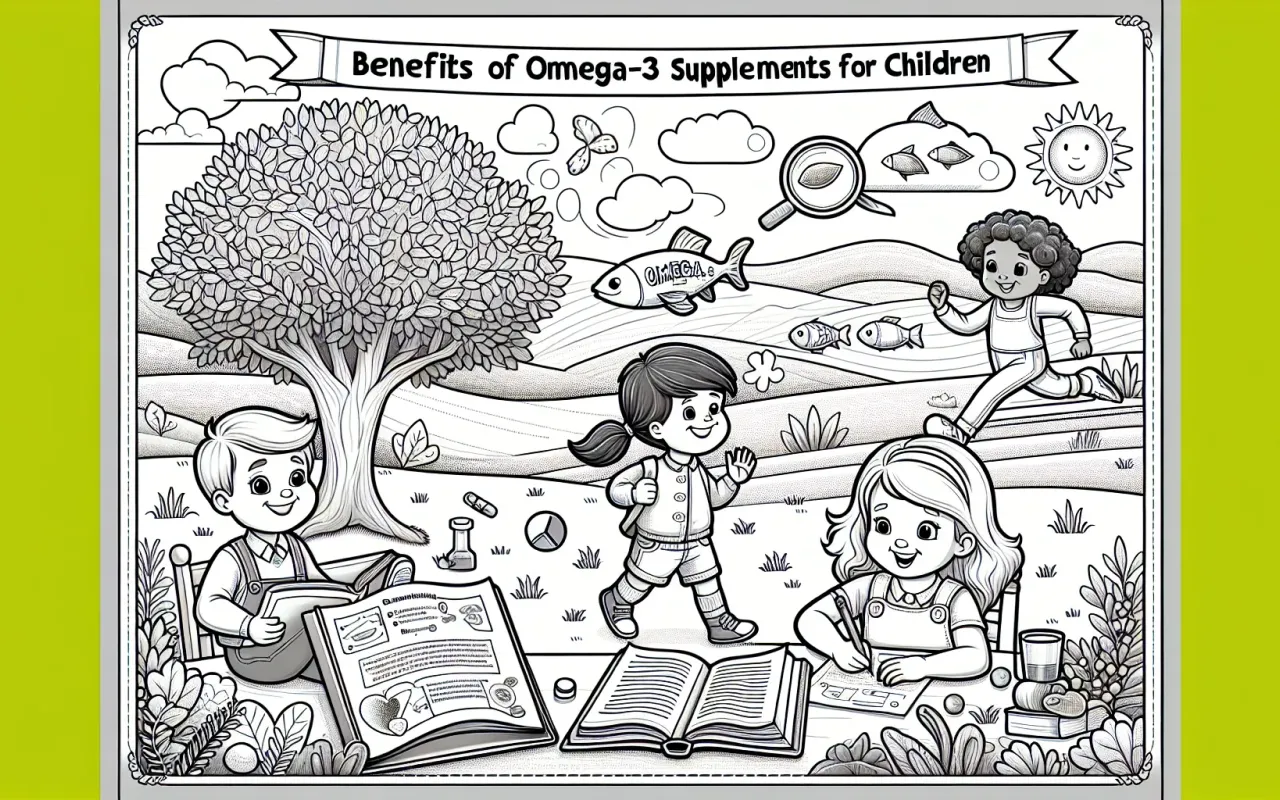
Discover the benefits of Omega-3 supplements for children in this comprehensive guide. Learn how these supplements can improve your child's health and well-being.
- October 25, 2024
In today's fast-paced world, ensuring that your child receives adequate nutrition can be challenging. One nutrient that often goes unnoticed is Omega-3 fatty acids. This guide explores the remarkable benefits of Omega-3 supplements for children, helping you make informed decisions for their health and well-being.
What Are Omega-3 Fatty Acids?
Omega-3 fatty acids are essential polyunsaturated fats that play a crucial role in brain function, growth, and development. The three most important types of Omega-3s are alpha-linolenic acid (ALA), eicosapentaenoic acid (EPA), and docosahexaenoic acid (DHA). While ALA is found in plant-based sources like flaxseeds and walnuts, EPA and DHA are predominantly obtained from fatty fish and fish oil supplements.
Why Are Omega-3 Supplements Important for Children?
Ensuring children get enough Omega-3 can sometimes be difficult, especially if their diet lacks sufficient fish or plant-based sources. Omega-3 supplements serve as a convenient and efficient way to provide these essential nutrients, contributing to several health benefits:
1. Brain Development and Cognitive Function
Omega-3 fatty acids, particularly DHA, are vital for brain development in children. Studies show that DHA constitutes a significant component of the brain's structure and is essential for cognitive functions such as memory, focus, and problem-solving.
2. Visual Health
DHA is also a major structural fat in the retina. Adequate levels of DHA support healthy vision and prevent potential eye disorders in children, contributing to overall eye health.
3. Behavioral and Emotional Well-being
Research indicates that Omega-3 supplements can help manage symptoms of Attention Deficit Hyperactivity Disorder (ADHD) and other behavioral disorders in children. EPA and DHA play a role in reducing impulsive behavior, enhancing attention span, and supporting emotional stability.
4. Immune System Support
Omega-3 fatty acids possess anti-inflammatory properties, making them beneficial for boosting the immune system. Regular intake can help children fend off common infections and contribute to overall health.
Recommended Dosage and Safety
When considering Omega-3 supplements for children, it is crucial to adhere to recommended dosages to avoid potential side effects. Pediatricians typically recommend:
- For infants (0-12 months): 0.5 grams of DHA and EPA combined per day
- For children (1-3 years): 0.7 grams of DHA and EPA combined per day
- For children (4-8 years): 0.9 grams of DHA and EPA combined per day
- For children (9-13 years): 1.2-1.2 grams of DHA and EPA combined per day
Always consult with a healthcare provider before starting any supplementation to ensure it aligns with your child's specific needs.
Choosing the Right Omega-3 Supplement
With numerous Omega-3 supplements available, selecting the right product can be daunting. Here are some factors to consider:
Purity and Quality
Opt for supplements that are free from contaminants like heavy metals and toxins. Look for products that have been third-party tested for quality assurance.
Form and Flavor
Children may be more willing to take supplements that come in palatable forms and flavors, such as chewable gummies or flavored liquids.
Concentration of DHA and EPA
Ensure the supplement provides adequate levels of DHA and EPA, as these are the most beneficial for children's development.
Conclusion
Omega-3 supplements for children offer a range of benefits that are critical for their growth and development. By supporting brain function, visual health, behavioral stability, and immune system strength, these supplements can be a valuable addition to your child's diet. Always consult with a healthcare provider to determine the appropriate dosage and ensure you're choosing a high-quality product.
Investing in Omega-3 supplements is a proactive step towards fostering a healthy and vibrant future for your child.