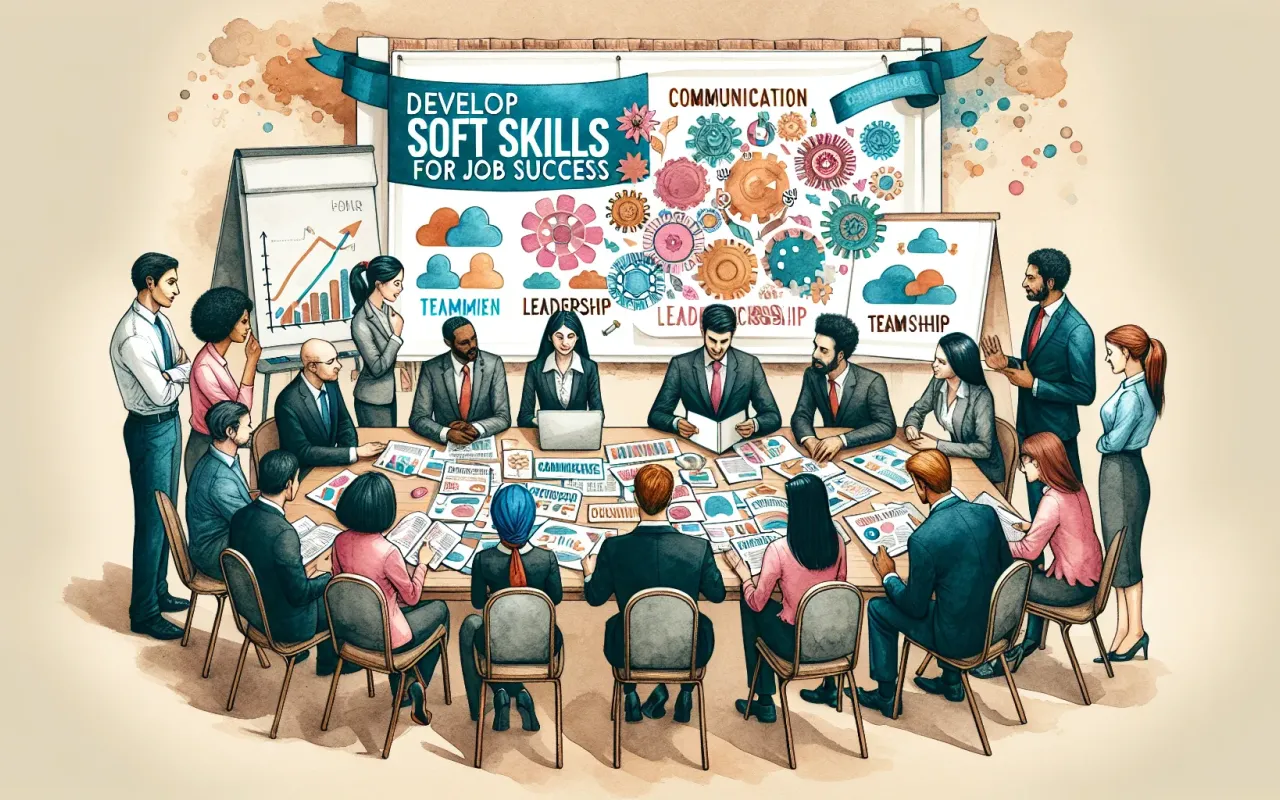
Learn how to develop soft skills for job success with our comprehensive guide. Get expert tips on improving communication, teamwork, and problem-solving abilities.
- October 14, 2024
AceShowbiz - In today's fast-paced and ever-evolving job market, possessing technical expertise is no longer enough. Employers increasingly seek candidates with well-rounded abilities, including the critical and often underestimated soft skills. From effective communication to teamwork and problem-solving, these skills are essential for career advancement. This comprehensive guide will walk you through practical steps to develop soft skills for job success.
The Importance of Soft Skills in the Workplace
Soft skills, also known as interpersonal or people skills, are personal attributes that enhance your interactions, job performance, and career prospects. Unlike hard skills, which are specific, teachable abilities, soft skills are more about how you work and interact with others.
Why Employers Value Soft Skills
Employers value soft skills because they are crucial for creating a positive and productive work environment. For example, strong communication skills enable employees to express ideas clearly and persuasively, while teamwork fosters collaboration and innovation.
Key Soft Skills to Develop for Job Success
Here are some essential soft skills that can significantly impact your career:
1. Communication Skills
Effective communication is the bedrock of all successful interactions. This includes not only speaking and writing but also listening and non-verbal communication. To improve, consider the following:
- Practice active listening by giving full attention to the speaker and responding appropriately.
- Enhance your public speaking abilities through practice and training.
- Refine your writing skills by focusing on clarity, conciseness, and correctness.
2. Teamwork and Collaboration
Working well with others is vital in almost any job. To develop this skill:
- Engage in group projects and try to take on various roles within the team.
- Become more empathetic by understanding and considering others' perspectives.
- Foster open communication to ensure that every team member feels valued and heard.
3. Problem-Solving and Critical Thinking
Employers look for individuals who can identify issues and devise effective solutions. To enhance these skills:
- Practice breaking down complex problems into smaller, manageable parts.
- Apply logical thinking to explore various solutions.
- Learn from past experiences and mistakes to avoid future pitfalls.
4. Adaptability and Flexibility
The ability to adapt to new situations and challenges is highly valued. To develop adaptability:
- Stay open to new experiences and be willing to step out of your comfort zone.
- Learn to manage change effectively by staying positive and proactive.
- Constantly seek feedback to understand areas for improvement and adapt accordingly.
5. Leadership and Responsibility
Even if you're not in a managerial role, leadership skills are essential. To cultivate leadership:
- Take the initiative to lead projects or teams when opportunities arise.
- Develop a strong sense of responsibility and accountability for your actions.
- Mentor and support colleagues to foster a collaborative work environment.
Proven Strategies to Develop Soft Skills
Improving your soft skills takes time and consistent effort. Here are some strategies to help you on this journey:
1. Seek Continuous Learning Opportunities
Whether through formal education, online courses, or self-study, continuous learning is key. Platforms like Coursera, LinkedIn Learning, and Udemy offer excellent courses on various soft skills.
2. Engage in Self-Reflection
Regularly assess your strengths and weaknesses to identify areas for improvement. Self-reflection enables you to develop a personalized action plan to enhance your soft skills.
3. Practice Mindfulness and Emotional Intelligence
Mindfulness helps you stay present and manage stress effectively. Combine this with emotional intelligence, which involves understanding and managing your emotions and those of others, to improve your interpersonal interactions.
4. Collect Feedback from Peers and Mentors
Feedback is a valuable tool for growth. Solicit constructive feedback from colleagues, supervisors, or mentors to gain insights into how you can improve your soft skills.
Applying Soft Skills in the Job Application Process
Highlighting your soft skills during the job application process can make a significant difference. Here’s how to do it:
1. Tailor Your Resume and Cover Letter
Identify the key soft skills required for the job and highlight them in your resume and cover letter. Use specific examples and quantify your achievements where possible.
2. Prepare for Behavioral Interviews
Behavioral interviews focus on how you've handled situations in the past. Prepare by using the STAR method (Situation, Task, Action, Result) to structure your responses and showcase your soft skills effectively.
3. Demonstrate Soft Skills During Interviews
From punctuality to body language, your soft skills are on display from the moment you walk into an interview. Showcasing professionalism, active listening, and effective communication can help you make a positive impression.
Conclusion
Developing soft skills for job success is an ongoing process that extends beyond the initial job search. By continuously honing these skills, you can enhance your employability, foster better workplace relationships, and achieve long-term career growth. Start implementing these strategies today to unlock your full potential and set yourself up for success.