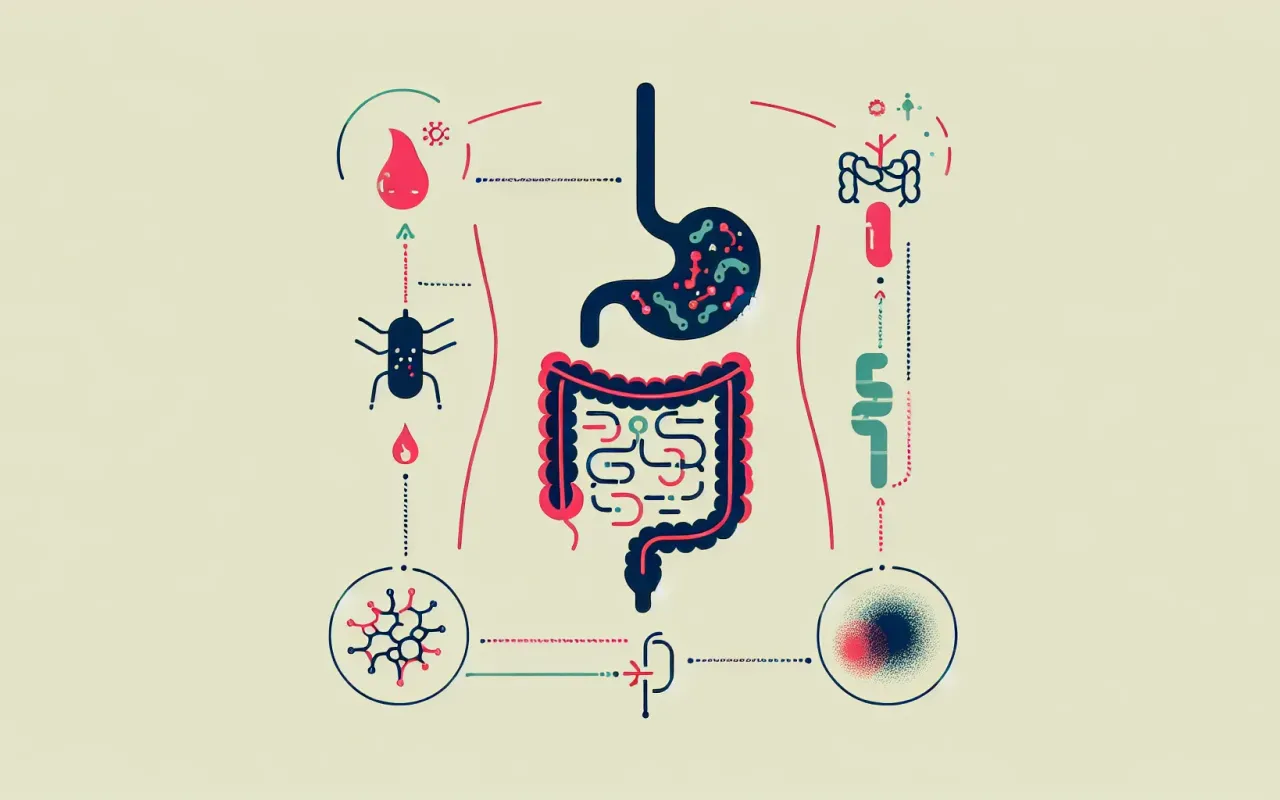
Discover the link between your gut microbiome and inflammation, and learn how managing your gut health can affect overall well-being.
- October 8, 2024
AceShowbiz - The human body is a complex ecosystem where trillions of microorganisms live, particularly in the gut. Recent studies have shown that the gut microbiome plays a significant role in overall health, including the regulation of inflammation. Understanding the connection between the gut microbiome and inflammation can help you manage your health more effectively. In this article, we'll delve into the relationship between gut health and inflammation, and explore actionable steps you can take to improve your gut microbiome.
What is the Gut Microbiome?
The gut microbiome consists of trillions of bacteria, viruses, fungi, and other microbes residing in your digestive tract. This diverse community of microorganisms performs many critical functions, including aiding in digestion, producing essential vitamins, and protecting against harmful pathogens. The balance of these microbes can significantly influence your overall health and well-being.
Understanding Inflammation
Inflammation is the body's natural response to injury or infection. It involves the immune system releasing cells and molecules to fight off harmful invaders and repair damaged tissue. While acute inflammation is a crucial part of healing, chronic inflammation can lead to a variety of health problems, including chronic illnesses such as heart disease, diabetes, and autoimmune disorders.
How the Gut Microbiome Influences Inflammation
The Gut-Immune System Axis
The gut is home to a large portion of the body's immune system. The gut-associated lymphoid tissue (GALT) contains immune cells that monitor and respond to pathogens. A balanced gut microbiome can support a healthy immune response, while an imbalanced microbiome, or dysbiosis, can lead to chronic inflammation.
Microbial Metabolites
The gut microbiome produces various metabolites, such as short-chain fatty acids (SCFAs), which have anti-inflammatory properties. SCFAs are produced when beneficial bacteria ferment dietary fiber, and they play a crucial role in maintaining gut barrier integrity and regulating the immune system.
Leaky Gut Syndrome
An imbalanced gut microbiome can compromise the gut barrier, leading to increased intestinal permeability, often referred to as "leaky gut." When the gut barrier is weakened, harmful substances can enter the bloodstream, triggering an inflammatory response. This can contribute to the development and progression of various inflammatory conditions.
The Role of Diet in Gut Health and Inflammation
Foods That Promote a Healthy Gut Microbiome
Diet plays a crucial role in shaping the gut microbiome. Consuming a diet rich in fruits, vegetables, whole grains, and fermented foods can promote the growth of beneficial bacteria and enhance gut health.
- Fiber-rich foods: Foods high in dietary fiber, such as fruits, vegetables, legumes, and whole grains, can feed beneficial gut bacteria and support the production of anti-inflammatory SCFAs.
- Fermented foods: Yogurt, kefir, sauerkraut, kimchi, and other fermented foods contain live probiotics that can enhance the diversity and balance of the gut microbiome.
- Prebiotic foods: Garlic, onions, leeks, asparagus, and bananas contain prebiotics, which serve as food for probiotics and support their growth.
Foods That Can Promote Inflammation
Certain foods can negatively affect the gut microbiome and promote inflammation. Reducing or avoiding these foods can help maintain a healthy gut and reduce inflammation.
- Processed foods: High in refined sugars, unhealthy fats, and artificial additives, processed foods can disrupt the gut microbiome balance and promote inflammation.
- Sugar and artificial sweeteners: Excessive sugar and artificial sweeteners can negatively impact gut bacteria and contribute to dysbiosis.
- Red and processed meats: These can increase the production of pro-inflammatory compounds and negatively affect gut health.
Lifestyle Factors Affecting Gut Microbiome and Inflammation
Stress Management
Chronic stress can alter the gut microbiome and promote inflammation. Practicing stress-management techniques such as meditation, yoga, and mindfulness can help maintain a healthy gut and reduce inflammation.
Sleep Quality
Quality sleep is essential for overall health, including gut health. Poor sleep can disrupt the balance of the gut microbiome and promote inflammation. Aim for 7-9 hours of quality sleep each night to support your gut and immune system.
Regular Exercise
Regular physical activity can positively influence the gut microbiome and reduce inflammation. Aim for at least 150 minutes of moderate-intensity exercise each week to support gut health and overall well-being.
Probiotics and Prebiotics: Allies for Gut Health
What are Probiotics?
Probiotics are live microorganisms that, when consumed in adequate amounts, provide health benefits to the host by enhancing the gut microbiome. They can be found in fermented foods and dietary supplements.
What are Prebiotics?
Prebiotics are non-digestible fibers that serve as food for probiotics, promoting their growth and activity. They can be found in various plant-based foods, including fruits, vegetables, and whole grains.
Benefits of Probiotics and Prebiotics
Incorporating probiotics and prebiotics into your diet can support a healthy gut microbiome, enhance immune function, and reduce inflammation. However, it's essential to choose the right strains and types for your specific needs.
Conclusion
The connection between the gut microbiome and inflammation is an emerging field of research with profound implications for overall health. By understanding this relationship and taking steps to support a balanced gut microbiome, you can potentially reduce chronic inflammation and improve your well-being. Focus on a balanced diet rich in fiber, fermented foods, and prebiotics, and incorporate stress management, quality sleep, and regular exercise into your routine to optimize your gut health and reduce inflammation.