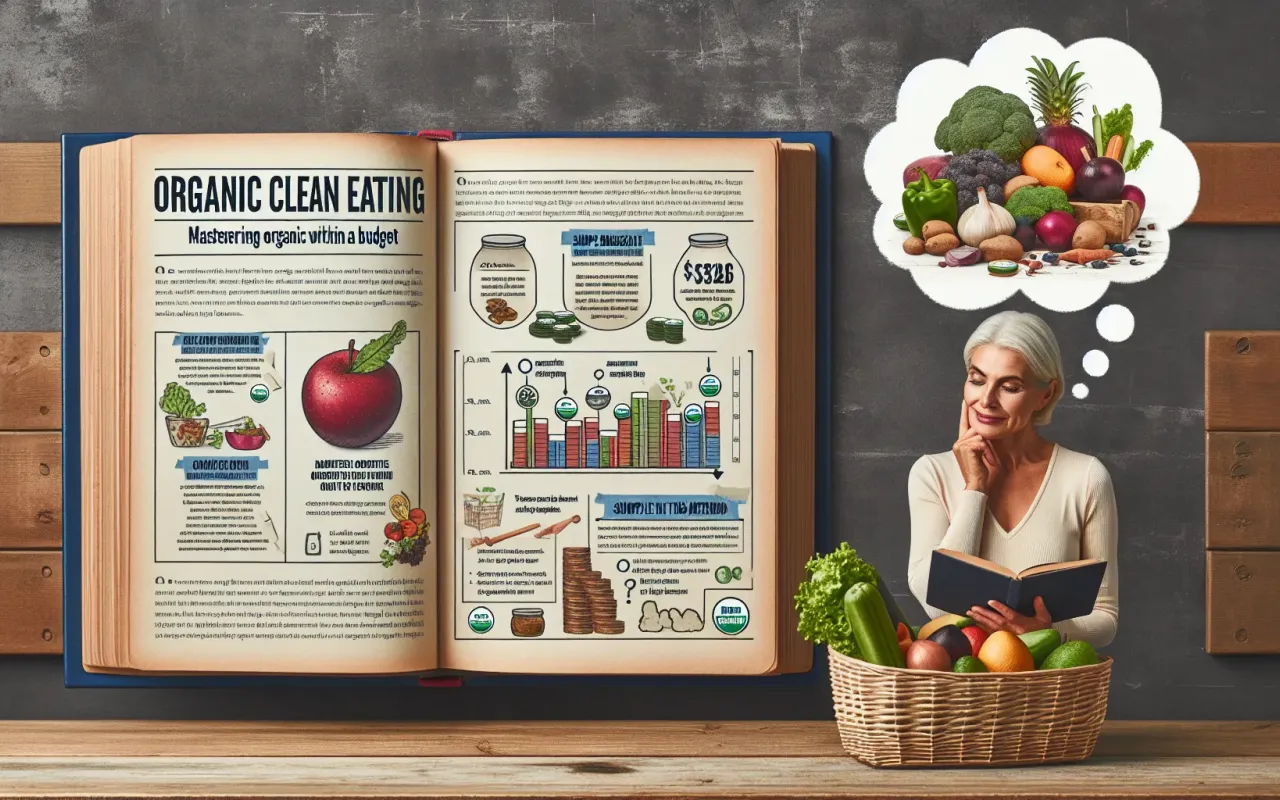
Discover expert tips and tricks for mastering organic clean eating on a budget. Learn how to eat healthily without breaking the bank.
- October 4, 2024
Introduction
Embracing an organic clean eating lifestyle can seem like a daunting task, especially when you're on a budget. Many people assume that eating healthy, organic foods comes with a hefty price tag. However, with the right strategies and a bit of planning, you can enjoy nutritious, organic meals without breaking the bank. In this article, we will explore expert tips and tricks to help you master organic clean eating on a budget.
Why Choose Organic Clean Eating?
Before diving into the tips, it's essential to understand the benefits of organic clean eating. Choosing organic foods means opting for products free from synthetic pesticides, genetically modified organisms (GMOs), and artificial additives. Clean eating, on the other hand, emphasizes whole, minimally processed foods. Together, they promote better health, improved digestion, and reduced exposure to harmful substances.
Planning Your Meals
Create a Weekly Meal Plan
Planning your meals in advance is a cornerstone of eating organically on a budget. By creating a weekly meal plan, you can ensure that you're buying only what you need, reducing food waste and unnecessary spending. Start by listing out your meals for the week, focusing on recipes that use seasonal and readily available ingredients.
Batch Cooking and Freezing
Batch cooking is an excellent strategy for saving both time and money. By preparing large quantities of meals and freezing portions, you can take advantage of bulk ingredients and avoid the temptation of expensive, last-minute takeout options. Soups, stews, and casseroles are perfect candidates for batch cooking.
Smart Shopping Strategies
Shop Locally and Seasonally
One of the best ways to keep costs down is by purchasing local and seasonal produce. Farmers' markets and community-supported agriculture (CSA) programs often offer fresh, organic produce at competitive prices. Seasonal items are not only cheaper but also more flavorful and nutrient-dense.
Buy in Bulk
Investing in staple items like grains, beans, nuts, and seeds in bulk can significantly reduce your grocery bills. Many stores have bulk sections where you can purchase the exact quantities you need, minimizing packaging waste and cost. Additionally, consider joining a bulk-buying club or cooperative to access lower prices on organic products.
Use Coupons and Loyalty Programs
Don't overlook the potential savings from coupons and store loyalty programs. Many organic brands and grocery stores offer discounts and promotions that can help you save money. Sign up for newsletters and check the websites of your favorite organic brands regularly for deals and printable coupons.
Avoid Processed Organic Foods
While organic packaged foods might seem convenient, they often come with a premium price. Focus on whole, unprocessed foods to make the most of your budget. For example, instead of buying pre-packaged organic granola bars, try making your own using bulk ingredients.
Grow Your Own Organic Produce
Another cost-effective way to incorporate organic food into your diet is by growing your own produce. Even if you don't have a large garden, you can grow herbs, tomatoes, and other vegetables in pots on a balcony or windowsill. Home gardening not only saves money but also ensures you have access to fresh, organic produce year-round.
Reducing Food Waste
Utilize Leftovers
Get creative with leftovers to eliminate food waste. Leftover vegetables can be turned into soups, frittatas, or stir-fries, and stale bread can be revived as croutons or breadcrumbs. By repurposing leftovers, you maximize the value of the food you buy.
Proper Storage Techniques
Proper storage is crucial to prolong the shelf life of your organic produce and prevent spoilage. Store fruits and vegetables in the correct conditions, use airtight containers for grains and nuts, and label and date your frozen items to keep track of their freshness.
Embrace DIY
Making your own meals and snacks from scratch can be more economical than buying pre-packaged items. Experiment with homemade versions of your favorite organic products, such as nut butters, energy bars, and salad dressings. Not only will you save money, but you'll also have control over the ingredients, ensuring they're free from unnecessary additives.
Seek Out Community Resources
Take advantage of community resources to support your organic clean eating journey. Many communities have food cooperatives, bulk-buying groups, and garden shares that can help you access affordable organic foods. Additionally, look for free or low-cost cooking classes that focus on budget-friendly, healthy meals.
Conclusion
Organic clean eating on a budget is not only possible but also highly rewarding. By planning your meals, shopping smartly, growing your own produce, reducing waste, and embracing DIY options, you can maintain a healthy, organic diet without overspending. Implement these expert tips and tricks to take control of your food choices, nourish your body, and stay within your budget.