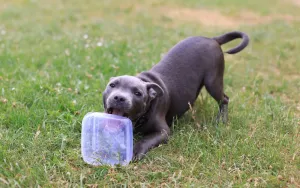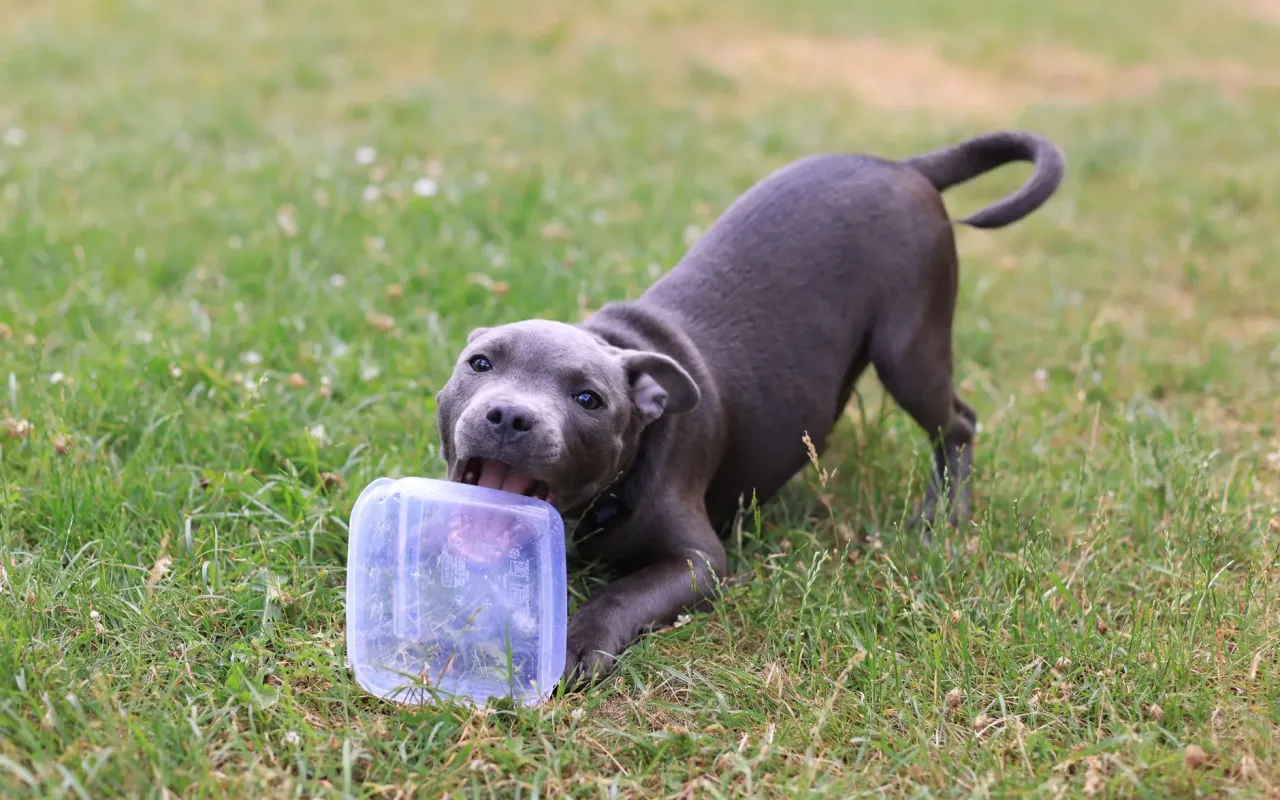
Tired of puppy teeth on your hands and ankles? Here's a realistic, vet-backed plan to stop biting and nipping without turning training into a battle.
- October 25, 2026
AceShowbiz - You sit down on the floor to play with your new puppy, and within ten seconds those tiny needle teeth are clamped around your finger. You yelp, pull your hand back, and the puppy lunges again — tail wagging, having the time of its life. If this sounds familiar, take a breath. You are not raising a future attack dog. You are raising a normal puppy with a mouth full of new teeth and zero social skills.
Here's the part that surprises most new owners: puppy biting is not a behavior problem. It's a developmental stage, and a predictable one. Most puppies go through their heaviest biting phase between 8 and 16 weeks, right when their baby teeth are coming in and they're exploring the world the only way they know how — with their mouths. The goal isn't to punish the biting out of them. It's to teach them, patiently and repeatedly, that teeth on human skin never gets them what they want.
Why Puppies Bite in the First Place
Puppies bite for reasons that have nothing to do with aggression. They're teething, so their gums ache and chewing feels good. They're exploring, because a puppy's mouth is basically a second set of hands. They're playing, since rough-and-tumble mouth wrestling is how puppies play with their littermates. And they're overtired, which looks a lot like a toddler melting down at naptime.
Understanding the "why" matters because it changes how you respond. If your puppy is biting because they're exhausted, no amount of training will fix it — they need a nap in a crate or pen. If they're biting because they're overstimulated by a house full of guests, the fix is a quiet room, not a correction. Misreading the cause is the single biggest reason people feel like nothing works.
There's also a built-in brake you can use to your advantage: bite inhibition. When puppies play together, one bites too hard, the other yelps and stops playing. The biter learns that hard bites end the fun. You can replicate this at home. When teeth touch skin, make a high-pitched "ow!" and pause play for a few seconds. Puppies who learn this early tend to develop softer mouths as adults — a real safety benefit, especially in homes with kids.
Know your puppy's triggers
For a week, jot down when biting happens most. You'll usually find a pattern: after meals, during the evening "witching hour" around 7 to 9 p.m., when kids run around, or right before a nap. Once you see the pattern, you can prevent half the incidents before they start.
What Actually Works: The Yelp, Pause, Redirect Method
The most reliable approach for young puppies combines three moves in sequence. First, the yelp: a short, sharp "ow!" that mimics a littermate's protest. Second, the pause: immediately stop all play and eye contact for three to five seconds. Third, the redirect: offer an appropriate chew toy and praise the puppy for taking it. This teaches a simple equation — teeth on skin equals boring, teeth on toy equals fun continues.
The pause is where most people go wrong. They yelp and then keep playing, or they yell and wave their hands around, which to a puppy looks like the most exciting game ever invented. Your job is to be genuinely boring for a few seconds. Stand up, fold your arms, look at the ceiling. Then re-engage calmly. If the puppy bites hard again within a minute or two, end the session entirely with a short timeout in a pen or behind a baby gate — not as punishment, but as a clear signal that the game is over.
Consistency is the whole ballgame. If biting works sometimes — a family member lets the puppy mouth their hand "because it's cute" — the behavior gets reinforced on a variable schedule, which is the hardest kind to extinguish. Everyone in the house has to play by the same rules, every single day. It's also worth knowing that this takes weeks, not days. Expect improvement in two to four weeks and near-resolution around the five- to six-month mark when adult teeth come in.
A quick daily routine that speeds things up
- Morning: Ten minutes of training (sit, name recognition) before breakfast — a tired brain bites less.
- Midday: A sniff-heavy walk or puzzle toy to burn mental energy.
- Evening: Frozen chew toy during the witching hour, plus a scheduled nap if biting spikes.
- Always: A chew toy within arm's reach in every room so redirection is instant.
Set Up Your Home So Biting Is Harder to Do
You can't train your way out of a badly designed environment. If your puppy has free run of the house and constant access to hands, ankles, and shoelaces, you're signing up for a hundred corrections a day. Instead, use management to reduce the number of times the behavior can even happen. Keep a leash on your puppy indoors during high-energy periods so you can gently guide them away from your pant legs. Use baby gates to create safe zones. Rotate toys so they feel new.
Teething relief is a huge, underrated piece of the puzzle. Between three and six months, your puppy's gums are sore, and chewing is how they cope. Stock up on a variety of textures: rubber chews, rope toys, and frozen items like a stuffed, frozen Kong or a damp washcloth twisted and frozen. Rotate them so your puppy doesn't get bored. A puppy with a satisfying chew option nearby is dramatically less interested in your fingers.
Also, watch the human side of the equation. Kids running and shrieking are irresistible targets for a herding-breed puppy, so teach children to stand still like a tree and cross their arms when a puppy gets mouthy, rather than running away. And be honest about your own habits — if you roughhouse with your hands, you're teaching your puppy that hands are toys. Use a tug toy instead.
What Not to Do (and Why It Backfires)
Some of the most common advice floating around is actively harmful. Holding your puppy's mouth shut, tapping their nose, or pinning them can create hand-shyness and escalate arousal. Yelling teaches nothing except that you're loud. And "alpha rolling" a puppy is based on outdated wolf research that has been thoroughly debunked — it damages trust and can trigger defensive biting.
Another popular but flawed idea is the "yelp only" approach. Yelping works for many puppies, but for some it's rocket fuel — they hear the squeak and get more excited. If your puppy gets wilder after your yelp, drop it and switch to the silent pause-plus-timeout version. Training should be adapted to the individual dog in front of you, not applied like a recipe.
Finally, don't confuse normal puppy biting with genuine aggression. True aggression in puppies is rare and looks different: stiff body, hard stare, growling over food or toys, or biting that draws blood and doesn't stop when the puppy is calm. If you see those signs, or if biting persists intensely past six months, talk to a certified trainer or veterinary behaviorist. Getting help early is far cheaper than fixing a problem later.
When to Expect Progress and How to Stay Sane
Realistic timelines save relationships. Most puppies show clear improvement within two to four weeks of consistent training, with the biggest drop-off around five to seven months as adult teeth replace the baby ones. If your puppy is seven months old and still leaving marks, that's your cue to bring in a professional rather than keep grinding alone.
In the meantime, protect your sanity. Wear long sleeves and closed-toe shoes during high-energy periods. Keep training sessions to five minutes so neither of you gets frustrated. Celebrate the small wins — a soft mouth, a successful redirect, a calm evening. And remember that the puppy chewing on your sleeve today is the same dog who will happily lie at your feet in a year, provided you put in the patient, consistent work now.
The bottom line: stop the biting by preventing it, redirecting it, and never letting it work. Puppies bite because they're babies. Your job is to be the calm, boring, consistent adult in the room — and to keep a good chew toy within arm's reach at all times.