Tesla or Rivian for your family? We compare seating, cargo, car seats, charging, and real-world costs so you can pick the right EV.
- October 25, 2026
AceShowbiz - Here's a number that surprises most parents: the average American family spends about 58 minutes a day in the car chauffeuring kids to school, practice, and playdates. That's nearly seven hours a week of your life inside a vehicle. So when you're dropping $50,000 to $90,000 on an electric SUV, the question isn't just "which one is cooler?" It's "which one makes those seven hours easier?"
Tesla and Rivian are the two names families ask about most, and for good reason. Tesla has been building EVs longer than almost anyone and has the charging network to prove it. Rivian showed up later but built its vehicles specifically for people who haul gear, kids, and dogs. They're both excellent — but they solve family life in very different ways. Let's break down what actually matters when you're loading a stroller, a golden retriever, and a cranky toddler into the same car.
Seating and Space: The Three-Row Question
This is where the two brands split most dramatically, and it's the first thing you should think about. If you have three or more kids, or you regularly carpool with other families, seating capacity decides everything. The Rivian R1S is a three-row SUV with room for seven. The Tesla Model X also offers three rows and up to seven seats, but its third row is famously tight — think "small kids only, and only for short trips."
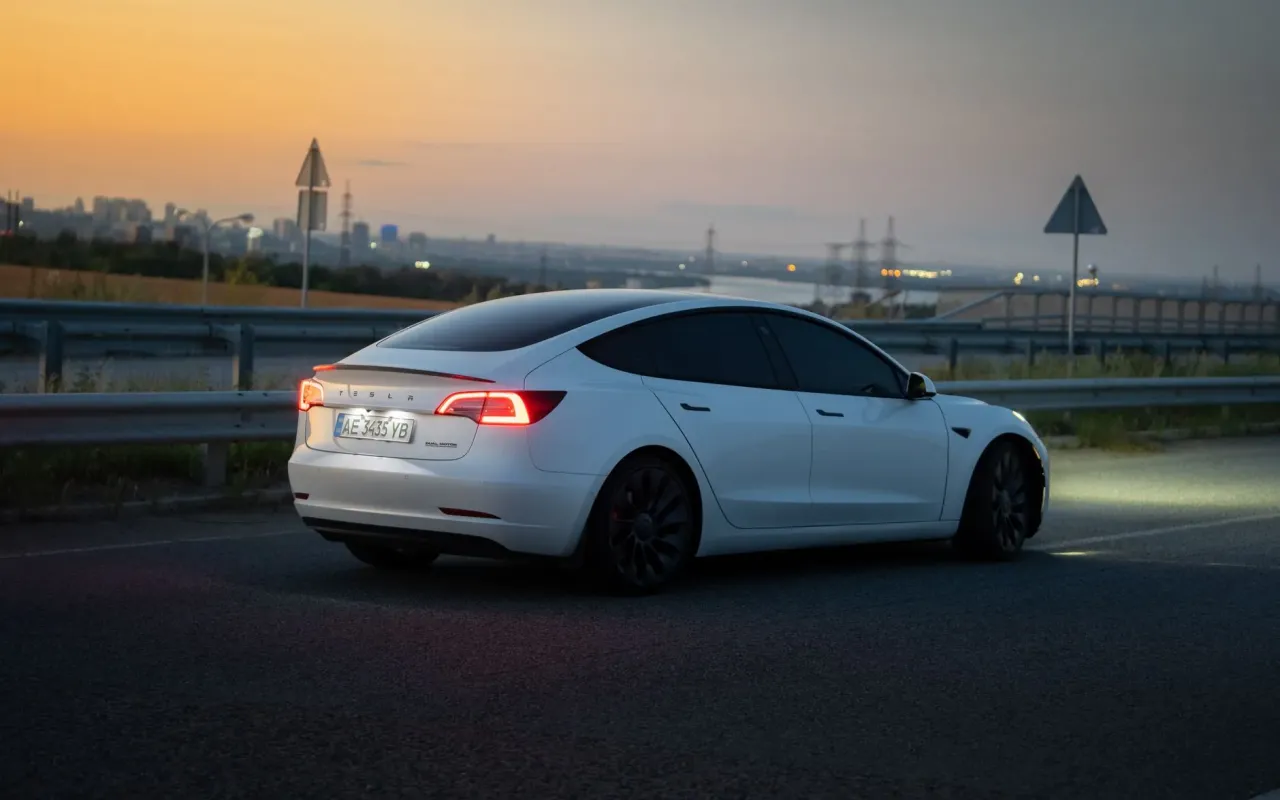
Tesla's Model Y, the brand's best-selling family vehicle, is a five-seater with an optional third row that's best described as emergency seating. Adults will not be comfortable back there. Rivian doesn't offer a smaller five-seat option yet (the upcoming R2 will change that), so if you want a Rivian today, you're getting the full-size R1S or the R1T pickup.
The practical takeaway: count your actual daily passengers, not your once-a-year road trip crew. If you need seven real seats most weeks, the R1S is the honest answer. If you're a family of four with occasional extra passengers, the Model Y's five seats will serve you well and save you serious money.
Car Seats and Kid Logistics
Both vehicles handle car seats well, but the details matter. The Model Y's rear doors open wide and the seat height is low enough that you're not hoisting a toddler overhead. The R1S sits higher, which some parents love and others find exhausting after the fifth lift of the day. Rivian's second row has more width, which makes fitting three car seats across noticeably easier than in the Model Y.
One underrated detail: the Model X's falcon-wing doors. They look spectacular and genuinely help in tight parking lots when you're wrestling a car seat, but they can be slow and occasionally fussy. The R1S uses conventional doors — boring, but predictable. Test-fit your actual car seats during a test drive. Dealers and showrooms will let you do this, and it's worth the trip.
Cargo Room and the Stuff Families Carry
Families don't just carry people — they carry strollers, sports equipment, groceries, and the mysterious collection of items that accumulates in every minivan. Here, Rivian has a clear edge. The R1S offers a front trunk (frunk), a generous rear cargo area, and a hidden under-floor compartment. With the third row folded, you're looking at roughly 75 cubic feet of space. That's enough for a Costco run and a stroller without playing Tetris.
The Model Y is no slouch — about 76 cubic feet with the seats down, plus a deep frunk and a sub-trunk. For most families of four, it's plenty. The Model X offers more total volume but its sloping roofline cuts into usable height, which matters if you're loading a bike or a large dog crate.
Practical tip: bring your bulkiest item — the double stroller, the hockey bag, the folding wagon — to your test drive. Salespeople are used to this. You'll learn more in five minutes of loading than from any spec sheet.
Charging: Tesla's Biggest Advantage
Let's be direct: Tesla's Supercharger network is the single strongest argument for buying a Tesla, especially for families. With over 2,000 stations and more than 25,000 stalls across the US, road trips are genuinely easy. You plug in, the car routes you automatically, and charging stops take 15 to 25 minutes — roughly the time it takes to wrangle everyone through a bathroom break and snack run.
Rivian drivers now have access to many Superchargers through an adapter, which has narrowed the gap significantly. But Rivian's own Adventure Network is still small, and third-party networks like Electrify America remain inconsistent — some stations are great, others are broken or occupied. For a family road-tripping to Grandma's house three states away, that unpredictability adds stress you don't need with kids in the back.
At home, both brands shine. A Level 2 charger in your garage means you wake up to a full battery every morning. For a family driving 40 miles a day, you'll rarely think about public charging at all. If you can't charge at home, honestly reconsider both vehicles — apartment living and EVs are still an awkward match.
Real-World Range for Family Trips
The Model Y Long Range delivers an EPA-estimated 310 to 330 miles depending on configuration. The R1S with the large pack is rated around 400 miles in its most efficient setup, though real-world highway range with a full family and luggage lands closer to 300 to 340. Cold weather knocks 20 to 30 percent off both.
What does this mean practically? A 300-mile road trip in either vehicle means one charging stop. The difference is confidence: Tesla's network density means you almost always have a backup option if a station is full. That peace of mind is worth real money to parents.
Safety and Tech Features That Actually Help Parents
Both brands earn top safety ratings, but their tech philosophies differ. Tesla leans heavily on a single central touchscreen — no instrument cluster, minimal buttons. Some parents love the clean look; others find it distracting to hunt for the defroster while a kid screams in the back. Rivian uses a large center screen plus a driver display and physical controls for key functions, which many parents find easier to operate by feel.
Tesla's driver-assistance features are more mature, including automatic lane changes and traffic-aware cruise control. Rivian offers a solid highway assist system that's improving with over-the-air updates. Both require your hands on the wheel and attention on the road — no system replaces a driver, and you shouldn't treat them as such.
One genuinely useful family feature on the R1S: the built-in camp speaker and the gear guard camera system that monitors your parked vehicle. Tesla's Sentry Mode does similar work. Both are great for peace of mind in parking lots.
Actionable tip: check insurance quotes before you buy. Both vehicles can be pricey to insure, and rates vary wildly by ZIP code. A 15-minute call to your insurer can reveal a $500 annual difference between the two.
Price, Maintenance, and the Money Conversation
Here's the honest financial picture. The Tesla Model Y starts around $45,000 before incentives, while the Rivian R1S starts near $78,000. That's a $30,000 gap — enough to fund a lot of family vacations. The Model X sits in between at roughly $80,000.
Maintenance is low for both. No oil changes, fewer brake jobs thanks to regenerative braking, and software updates delivered overnight. Tesla's service network is larger and more established, while Rivian's is growing but still limited in some regions — check that a service center is within reasonable distance before you commit.
Federal EV tax credits can shave up to $7,500 off either vehicle if you qualify based on income and the vehicle's sticker price. Some states add thousands more. Run the numbers with a tax advisor rather than assuming you qualify.
The bottom line for families: if you need seven seats and serious cargo capacity and you have the budget, the Rivian R1S is a fantastic family adventure vehicle. If you want the easiest charging experience, lower cost, and a proven track record, the Tesla Model Y is hard to beat. Either way, take the whole family — kids and car seats included — on a proper test drive before you sign anything.