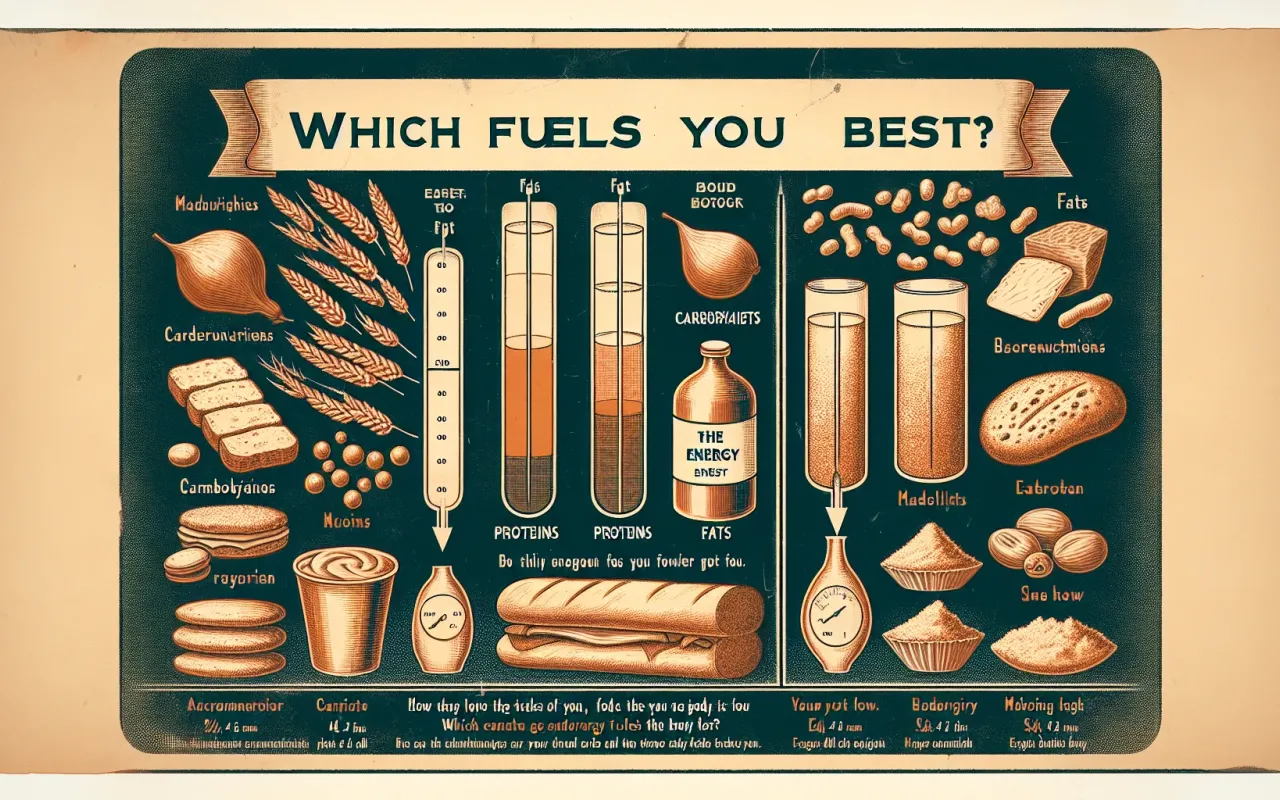
Discover how comparing macronutrients for energy can help you select the right fuel for your body's optimal performance. Understand how proteins, carbohydrates, and fats contribute to your energy levels.
- September 28, 2024
When it comes to fueling your body, understanding how to compare macronutrients for energy is crucial. Macronutrients are the nutrients that provide calories or energy. There are three macronutrients: carbohydrates, proteins, and fats. Each plays a unique role in maintaining your bodily functions and overall health.
In this guide, we will dive deep into the world of macronutrients, exploring their individual contributions to energy production, how they affect your performance, and strategies for optimizing your nutrient intake. By the end of this article, you will have a clearer understanding of which macronutrient can best fuel your specific needs.
The Role of Carbohydrates in Energy Production
What Are Carbohydrates?
Carbohydrates are the body's primary source of energy. They are found in foods like grains, fruits, vegetables, and dairy products. They can be classified into simple carbohydrates (sugars) and complex carbohydrates (starches and fibers).
How Do Carbohydrates Provide Energy?
When consumed, carbohydrates are broken down into glucose, which is used by the body's cells for energy. This process involves digestion, absorption, and transportation of glucose to cells via the bloodstream. Insulin, a hormone produced by the pancreas, helps cells take in glucose to be used for energy.
The Benefits and Drawbacks of Carbohydrates
Carbohydrates offer immediate energy, making them ideal for high-intensity activities. However, excessive intake of simple carbohydrates can lead to spikes in blood sugar and fat storage.
Protein: The Building Block and Energy Contributor
What Is Protein?
Protein is essential for growth, repair, and maintenance of body tissues. It is found in foods like meat, seafood, eggs, dairy products, beans, and legumes. Proteins are made up of amino acids, some of which are essential and must be consumed through diet.
How Does Protein Provide Energy?
While not the primary energy source, proteins can be used for energy when carbohydrates are scarce. They are broken down into amino acids, which can be converted into glucose via gluconeogenesis, a process that occurs in the liver.
The Benefits and Drawbacks of Protein
Protein helps maintain muscle mass, supports immune function, and provides a longer-lasting energy source compared to carbohydrates. However, using protein for energy may not be efficient as it diverts protein from its primary roles.
The Importance of Fats in Energy Production
What Are Fats?
Fats are a concentrated source of energy found in foods like oils, butter, nuts, seeds, avocados, and fatty fish. They consist of triglycerides, which are broken down into fatty acids and glycerol.
How Do Fats Provide Energy?
Fats are the most energy-dense macronutrient, providing 9 calories per gram. They are metabolized into fatty acids and glycerol in the presence of oxygen, a process known as beta-oxidation, to produce ATP, the energy currency of cells.
The Benefits and Drawbacks of Fats
Fats are essential for absorbing fat-soluble vitamins (A, D, E, and K), providing long-term energy, and supporting cell structure and hormone production. However, excessive intake, particularly of saturated and trans fats, can lead to health problems like cardiovascular disease.
Comparative Analysis: Carbohydrates vs. Proteins vs. Fats
Energy Density and Efficiency
Fats are the most energy-dense, followed by proteins and carbohydrates. However, the body prioritizes carbohydrates for quick energy, making them more efficient for immediate needs, especially in high-intensity activities.
Satiation and Performance
Proteins and fats provide longer-lasting energy and increased satiety, helping control hunger. High-carbohydrate diets can enhance performance in endurance sports due to rapid availability of glucose.
Health Implications
A balanced diet that includes all three macronutrients is crucial for overall health. Excessive consumption of any macronutrient can lead to health issues, but moderate intake ensures proper bodily functions, energy balance, and disease prevention.
Optimizing Your Macronutrient Intake
Assessing Your Activity Level
Your macronutrient needs vary based on your activity level. Athletes might require more carbohydrates for performance, while a sedentary person might benefit from balanced or higher protein and fat intake to manage energy levels and hunger.
Considering Your Goals
Your dietary goals (e.g., weight loss, muscle gain, endurance training) also dictate your macronutrient ratio. For weight loss, higher protein intake may preserve muscle mass, whereas for muscle gain, both protein and carbohydrates are crucial.
Customizing Your Diet
A personalized approach, possibly with the guidance of a nutritionist, can help you determine the best macronutrient distribution for your lifestyle and goals. Monitoring and adjusting your intake can optimize energy levels and overall well-being.
Conclusion
Understanding the roles of carbohydrates, proteins, and fats in energy production is key to optimizing your diet and achieving your health and performance goals. Each macronutrient plays a unique role, and a balanced intake is essential for overall health. By comparing macronutrients for energy and customizing your diet based on your needs, you can ensure your body performs at its best.
Remember to consult with healthcare professionals to tailor your diet to your specific needs, and continually adapt your nutrition plan as your lifestyle and goals evolve. Knowledge is power, and knowing how to fuel your body efficiently is crucial for long-term success.