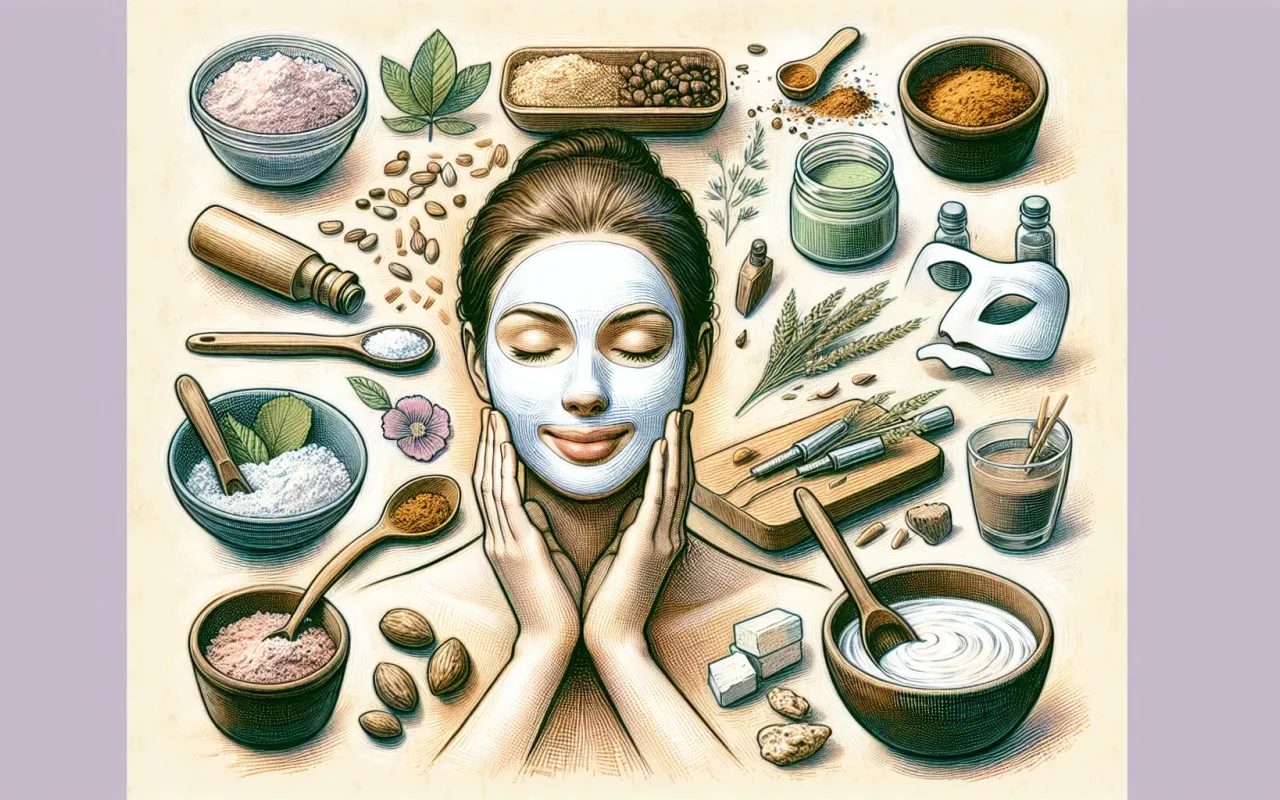
Learn how to make natural face masks at home with our detailed guide. Follow these 10 easy steps for glowing, healthy skin using natural ingredients.
- September 17, 2024
Introduction
In a world increasingly aware of the benefits of natural and organic products, it’s no surprise that many people are turning towards homemade beauty solutions. Learning how to make natural face masks at home can not only save you money, but it also allows you to avoid harmful chemicals and tailor your skincare routine to suit your individual needs.
Gathering Your Ingredients
Before you begin making your own face masks, it’s essential to gather the right ingredients. Depending on your skin type and the specific benefits you seek (moisturizing, anti-aging, acne-fighting), you'll need different natural components.
- Oats: Ideal for exfoliating and soothing sensitive skin.
- Honey: Has antibacterial properties and is deeply moisturizing.
- Avocado: Rich in healthy fats and vitamins, perfect for dry skin.
- Lemon: Great for brightening and fighting acne, but use sparingly as it can be harsh.
- Yogurt: Contains lactic acid that helps gently exfoliate the skin.
Step-by-Step Guide on How to Make Natural Face Masks at Home
Step 1: Identify Your Skin Type
Understanding your skin type—whether it's oily, dry, combination, or sensitive—is crucial for choosing the right ingredients for your face mask. For instance, those with dry skin might benefit from moisturizing avocado, whereas oily skin types may prefer masks with lemon or yogurt to cut through excess oil.
Step 2: Choose Your Base
Your base will be the primary ingredient of your face mask. Some common and effective options include honey, yogurt, or avocado. Each offers different benefits: honey is universally beneficial, yogurt provides gentle exfoliation, and avocado delivers intense hydration.
Step 3: Add Exfoliants
Exfoliation helps remove dead skin cells and reveal a brighter complexion. Natural exfoliants like oats or finely ground almonds can be added to your base. Remember to opt for mild exfoliants to avoid irritating your skin.
Step 4: Integrate Add-ins for Targeted Concerns
Depending on your skin's needs, you can add a variety of ingredients to your mask. For example, turmeric is known for its anti-inflammatory properties, while tea tree oil is excellent for acne-prone skin. Ensure these add-ins are well-mixed with your base.
Step 5: Test for Allergies
Even though you're using natural ingredients, it's essential to do a patch test to ensure you don't have an allergic reaction. Apply a small amount of the mask to the inside of your wrist or behind your ear and wait 24 hours to see if there's any adverse reaction.
Step 6: Apply Evenly
Using clean fingers or a brush, apply a thin, even layer of the mask onto your face, avoiding sensitive areas such as around the eyes and lips. Make sure your face is clean and dry before application for the best results.
Step 7: Let It Sit
Allow the mask to sit for 10-20 minutes. This gives enough time for your skin to absorb the beneficial properties of the ingredients. Use this time to relax and unwind.
Step 8: Rinse Off
After the allotted time, rinse your face with lukewarm water. Ensure to remove the mask gently, especially if it contains exfoliating components. Follow up with a splash of cold water to close your pores.
Step 9: Moisturize
After removing your face mask, apply a natural moisturizer to lock in hydration. Options like aloe vera gel, jojoba oil, or a lightweight, non-comedogenic moisturizer can be beneficial.
Step 10: Maintain a Routine
Incorporate these natural face masks into your skincare routine regularly for the best results. Depending on your skin type, using a face mask once or twice a week can keep your skin looking healthy and radiant.
Conclusion
Learning how to make natural face masks at home is a practical and rewarding endeavor. By using simple, natural ingredients, you can address your skin's unique needs without resorting to harsh chemicals. Follow these 10 easy steps to incorporate homemade masks into your skincare routine, and enjoy healthier, glowing skin.
Remember, consistency is key, and personalization is possible. Keep experimenting with ingredients to discover the perfect combination for your skin type. Your skin will thank you!