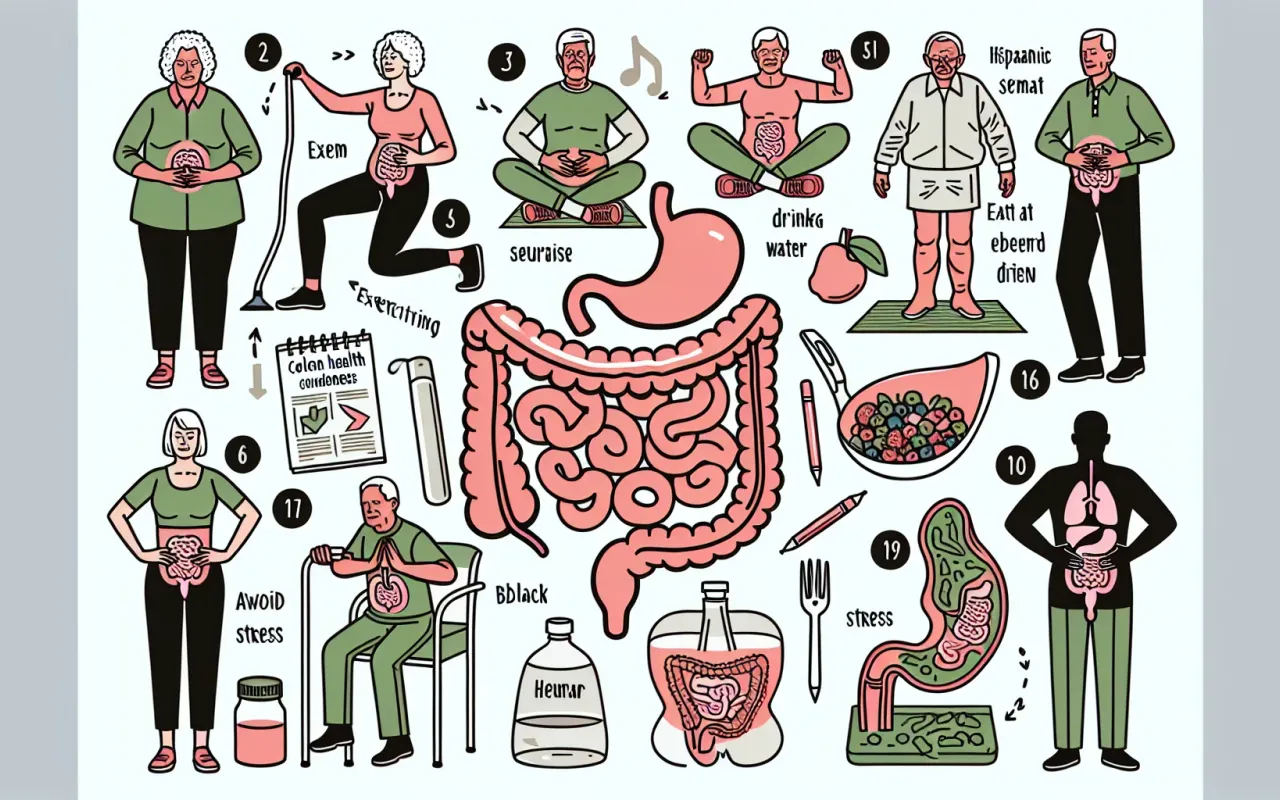
Discover essential colon health tips for seniors to enhance gut wellness. Follow our expert advice to maintain a healthy digestive system as you age.
- August 27, 2024
As we age, maintaining a healthy colon becomes increasingly important. The colon, or large intestine, plays a crucial role in our digestive system, impacting overall health. For seniors, prioritizing colon health can prevent various digestive issues and enhance quality of life. Here are ten essential colon health tips for seniors to boost gut wellness.
The Importance of Colon Health in Seniors
As the body ages, changes in metabolism, diet, and physical activity levels can lead to digestive challenges. Common issues such as constipation, diverticulosis, and colon cancer become more prevalent with age. Therefore, focusing on colon health is critical for early detection of problems and maintaining overall well-being.
1. Maintain a Fiber-Rich Diet
Consuming an adequate amount of dietary fiber is essential for promoting healthy bowel movements and preventing constipation. Seniors should aim to include foods like fruits, vegetables, whole grains, and legumes in their daily diet. Fiber helps to bulk up stools, making them easier to pass through the colon.
2. Stay Hydrated
Proper hydration is vital for maintaining soft stools and promoting regular bowel movements. Seniors should drink plenty of water throughout the day. Herbal teas and natural fruit juices can also contribute to fluid intake.
3. Engage in Regular Physical Activity
Physical activity stimulates intestinal function and reduces the risk of constipation. Seniors should aim for at least 30 minutes of moderate exercise, such as walking, swimming, or yoga, most days of the week.
4. Monitor Medications
Some medications prescribed to seniors can affect bowel movements and colon health. It's important to review any side effects with a healthcare provider and discuss possible alternatives if digestive issues arise.
5. Limit Processed Foods
Processed foods often contain low fiber, high fat, and added sugars, which can negatively impact colon health. Seniors should focus on whole, unprocessed foods for better digestive health.
6. Avoid Excessive Use of Laxatives
While laxatives can provide temporary relief from constipation, overuse can lead to dependency and worsen digestive problems. Seniors should consult with their doctor about safe alternatives for managing constipation.
7. Schedule Regular Screenings
Regular screenings, such as colonoscopies, are essential for early detection of colon-related issues, including colon cancer. Seniors should follow their doctor's recommendations on the frequency of these screenings based on their individual risk factors.
8. Manage Stress
Chronic stress can affect the digestive system and exacerbate colon health issues. Seniors should practice stress management techniques such as mindfulness, deep breathing, or engaging in hobbies they enjoy.
9. Consider Probiotics
Probiotics, which are beneficial bacteria, can help maintain a healthy balance of gut flora. Seniors can consume probiotics through supplements or fermented foods like yogurt, kefir, and sauerkraut.
10. Avoid Smoking and Limit Alcohol
Smoking and excessive alcohol consumption can harm the digestive system and increase the risk of colon cancer. Seniors should aim to quit smoking and consume alcohol in moderation.
Conclusion
Prioritizing colon health is crucial for seniors to maintain overall digestive wellness and prevent potential health issues. By following these ten essential tips, seniors can take proactive steps towards a healthier colon and improved quality of life. Regular screenings, a balanced diet, adequate hydration, and a healthy lifestyle are key components to achieving optimal gut wellness.