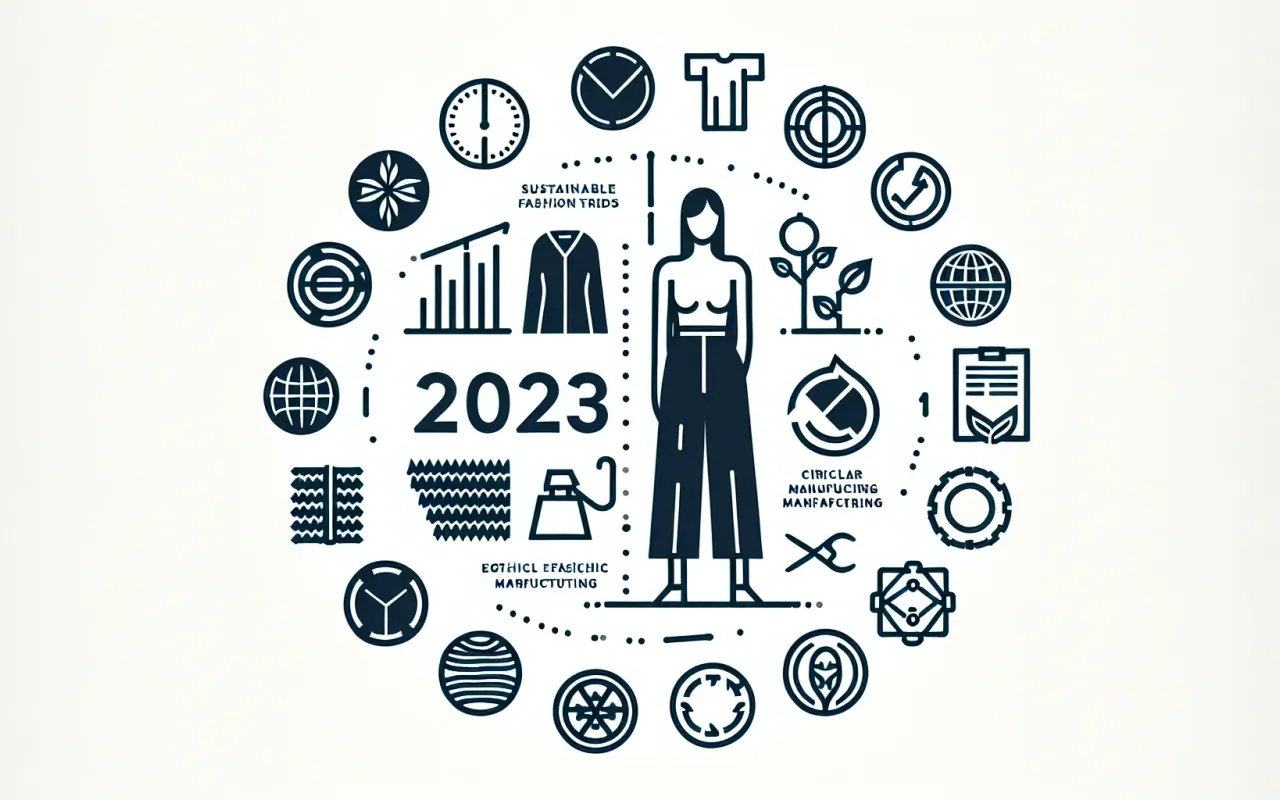
Stay ahead with these 10 latest sustainable fashion trends in 2024. From eco-friendly materials to zero waste, discover how to embrace sustainability in style.
- August 25, 2024
AceShowbiz - As the world becomes more conscious of the environmental impact of the fashion industry, sustainable fashion trends are gaining momentum. In 2024, staying stylish doesn't have to come at the expense of our planet. Discover the latest sustainable fashion trends that are revolutionizing the industry, offering eco-friendly and ethical alternatives, and helping you make a positive impact while looking fashionable.
1. Eco-Friendly Materials
Sustainable fashion is increasingly focused on the use of eco-friendly materials. Organic cotton, recycled polyester, and Tencel are just a few examples of materials that reduce environmental harm. These materials require less water, fewer chemicals, and generate significantly lower carbon emissions compared to conventional options.
2. Zero Waste Fashion
Zero waste fashion aims to minimize textile waste throughout the production process. Designers use techniques like pattern making with minimal fabric scraps and transforming offcuts into new clothing items. This trend ensures that every piece of fabric is utilized, thereby reducing the accumulation of waste in landfills.
Innovative Designs
Brands are adopting creative approaches to design, such as modular clothing, which can be easily adjusted and reassembled for multiple looks, contributing significantly to zero waste fashion.
3. Upcycling and Recycling
Upcycling and recycling have become prominent practices in sustainable fashion. Upcycling involves creating new items from discarded fabrics or clothing, adding unique value to what was once considered waste. Recycling focuses on breaking down materials to create new fibers for fashion items, which helps reduce the need for virgin resources.
4. Ethical Production Processes
Consumers are becoming increasingly aware of the ethical implications of their purchases. In 2024, there is a strong emphasis on ethical production processes, ensuring fair wages, safe working conditions, and respect for workers' rights. Brands are transparent about their supply chain, providing information on the origin of their products and labor practices.
5. Sustainable Dyeing Techniques
The fashion industry is notorious for its use of harmful chemicals in dyeing processes. In response, sustainable dyeing techniques are being embraced. Natural dyes made from plants, fruits, and other organic sources reduce the environmental and health impacts. Technologies such as digital printing and waterless dyeing are also gaining traction for their eco-friendly attributes.
6. Slow Fashion Movement
The slow fashion movement promotes quality over quantity, encouraging consumers to buy fewer but better-made items. This trend emphasizes durability, timeless design, and the craftsmanship of garments. By choosing slow fashion, consumers contribute to reducing the cycle of fast fashion and its negative environmental effects.
Key Principles of Slow Fashion
- Longevity: Investing in durable and timeless pieces.
- Ethical Production: Ensuring fair labor practices.
- Environmental Consciousness: Minimizing waste and pollution.
7. Circular Fashion Economy
The circular fashion economy is an innovative approach designed to extend the lifecycle of products. This trend focuses on designing garments for longevity, facilitating easy repairs, and promoting rental and resale markets. It aims to keep fashion items in use for as long as possible, thereby minimizing environmental impact and waste.
8. Transparency and Traceability
Consumers demand greater transparency and traceability in their fashion purchases. Brands are responding by offering detailed insights into their sourcing and production processes. This transparency builds trust and allows consumers to make informed choices aligned with their values.
9. Vegan and Cruelty-Free Fashion
The demand for vegan and cruelty-free fashion continues to grow. This trend advocates for the use of alternatives to animal-derived materials like leather, wool, and silk. Innovations such as plant-based leather and lab-grown materials are becoming popular, providing ethical and eco-friendly fashion options.
10. Local and Artisanal Production
Supporting local artisans and small-scale producers is gaining traction in sustainable fashion. Local production reduces the carbon footprint associated with transportation and supports community economies. Artisanal craftsmanship also promotes cultural heritage and unique, handcrafted items that stand out in the fashion landscape.
Conclusion
In 2024, sustainable fashion trends are more than just a passing fad—they are a necessary shift towards a more responsible and eco-friendly industry. By embracing these latest sustainable fashion trends, consumers can contribute to positive change while maintaining their style. From eco-friendly materials and zero waste fashion to ethical production and vegan alternatives, there are numerous ways to play a part in this green revolution. Staying informed and making conscious choices will ensure that fashion lovers can enjoy a stylish wardrobe without compromising the planet.