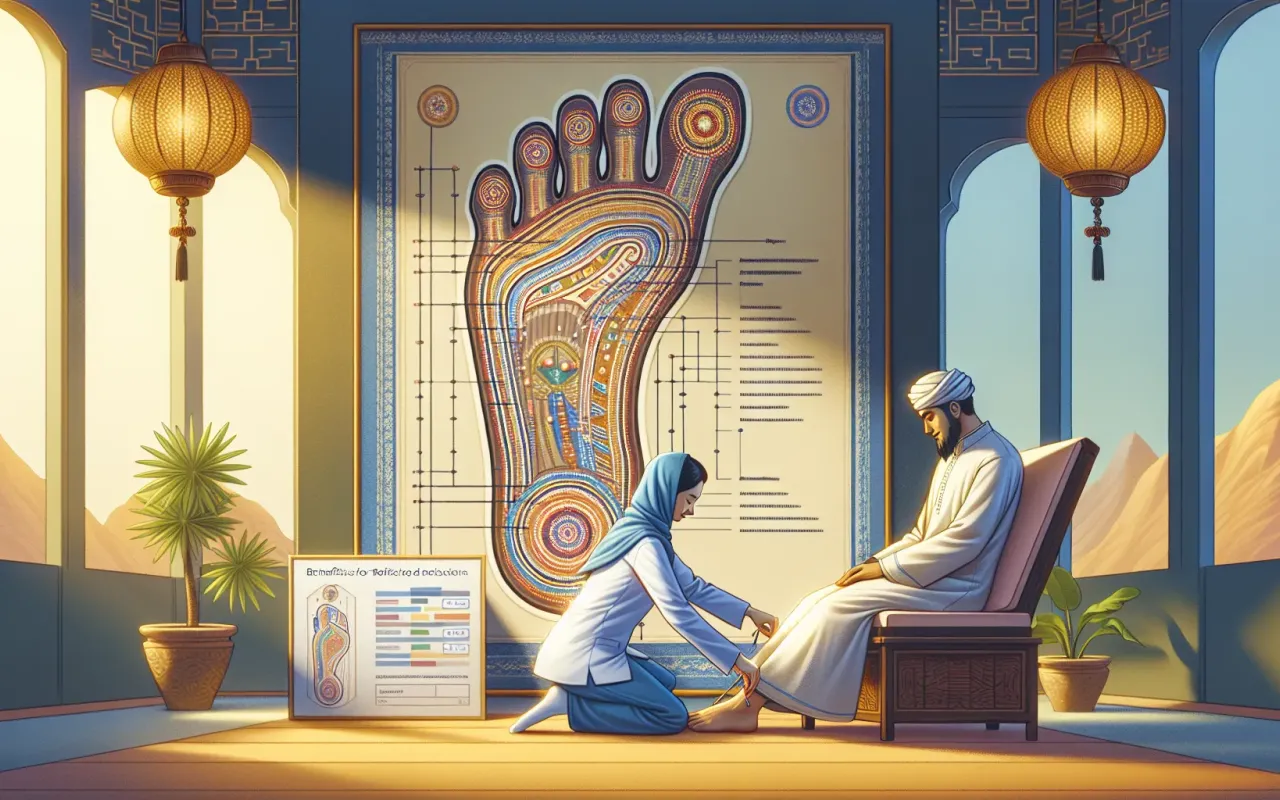
Discover effective reflexology techniques for lower back pain relief. Learn about the benefits and how to integrate these practices into your pain management routine.
- August 25, 2024
Lower back pain is a common ailment that affects millions of people worldwide. While there are various treatments available, one alternative approach that has gained popularity is reflexology. In this article, we will explore the techniques and benefits of reflexology for lower back pain relief, providing you with valuable insights into how this practice can help alleviate your discomfort.
Understanding Reflexology
Reflexology is a complementary therapy that involves applying pressure to specific points on the feet, hands, and ears. These points, known as reflex points, are believed to correspond to different organs and systems of the body. By stimulating these reflex points, reflexologists aim to promote health and well-being throughout the entire body.
How Reflexology Works
The underlying principle of reflexology is based on the belief that the body contains an energy system that can become imbalanced due to stress, illness, or injury. By applying pressure to reflex points, reflexologists believe they can restore balance and encourage the body's natural healing processes. For lower back pain, this means targeting reflex points that correspond to the back and spine.
Techniques for Lower Back Pain Relief
Reflexology for lower back pain relief involves specific techniques that focus on the feet and sometimes the hands. Here are some effective techniques:
Foot Reflexology
- The Spine Line: This technique targets the medial edge of the foot. By applying pressure along this line, reflexologists aim to address issues related to the spine and lower back.
- The Heel: The heel of the foot is also linked to the lower back. Massaging and applying pressure to this area can help alleviate back pain.
Hand Reflexology
- The Thumb Walk: This technique involves using the thumb to apply pressure along the lines on the palm that correspond to the spine. It can be particularly useful for addressing lower back pain.
- The Wrist Reflex: The area just below the thumb on the wrist is believed to be linked to the lower back. Applying pressure here can help relieve back discomfort.
The Benefits of Reflexology for Lower Back Pain Relief
There are several benefits of using reflexology as a complementary therapy for lower back pain relief:
Non-Invasive and Natural
One of the main advantages of reflexology is that it is a non-invasive and natural therapy. It does not require medication or surgery, making it a safe option for many individuals.
Stress Reduction
Stress is a common contributor to lower back pain. Reflexology helps reduce stress by promoting relaxation and calming the nervous system, which can, in turn, alleviate back pain.
Improved Circulation
By stimulating reflex points, reflexology can enhance blood flow and improve circulation. This increased circulation can help in healing and reducing inflammation in the lower back.
Enhanced Pain Management
Regular reflexology sessions can help manage chronic pain by targeting specific reflex points and promoting the release of endorphins, which are the body's natural painkillers.
Integrating Reflexology into Your Routine
To get the most out of reflexology for lower back pain relief, it is essential to integrate it into your daily routine. Here are some tips:
Consistency is Key
Make reflexology a regular part of your routine. Consistent sessions can help maintain balance and prevent the recurrence of lower back pain.
Combine with Other Therapies
Reflexology can be used in conjunction with other therapies such as physical therapy, chiropractic care, and yoga to enhance overall effectiveness.
Self-Reflexology Techniques
Learn self-reflexology techniques that you can perform at home. While professional sessions are beneficial, self-reflexology can help maintain the benefits between appointments.
Conclusion
Reflexology for lower back pain relief offers a natural and non-invasive approach to managing pain and promoting overall well-being. By understanding the techniques and benefits of this complementary therapy, you can make informed decisions about integrating reflexology into your pain management routine. Whether performed by a professional reflexologist or through self-reflexology techniques, this practice has the potential to provide significant relief and improve your quality of life.