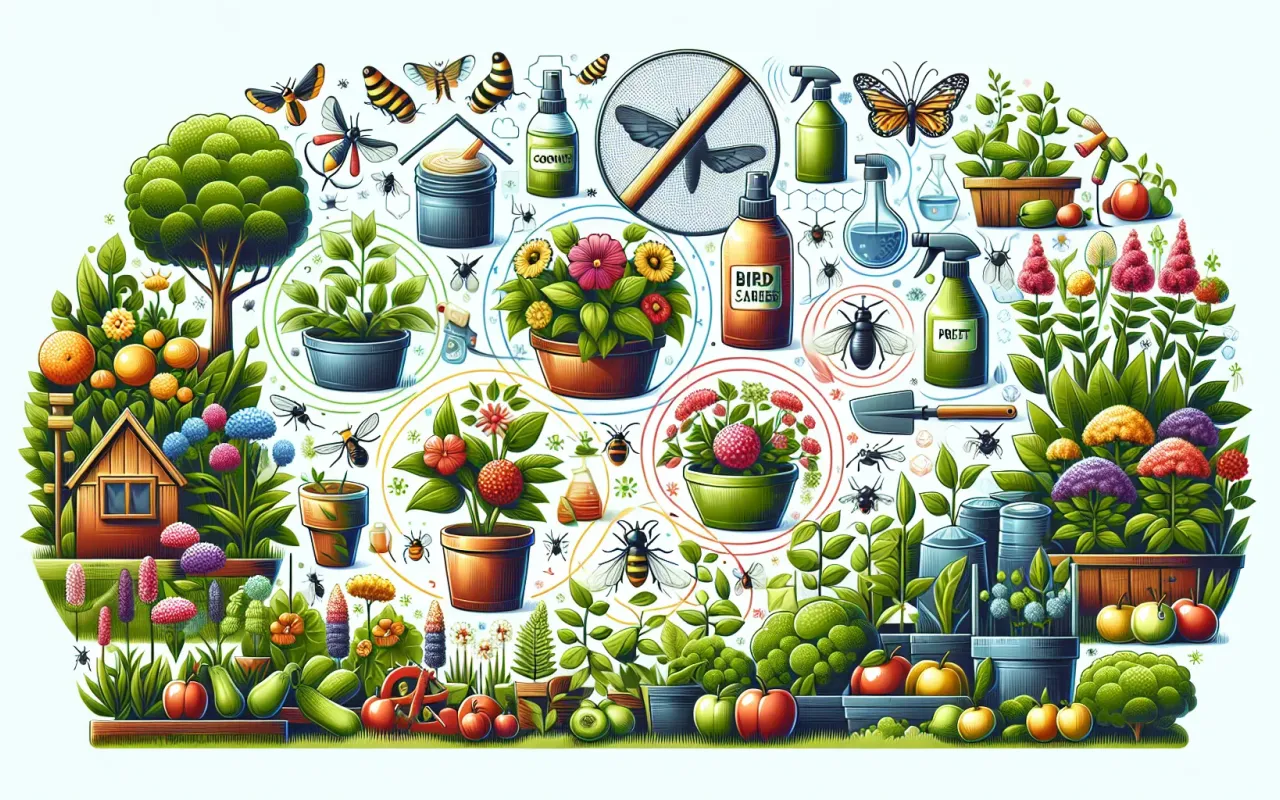
Discover effective homemade pest control solutions for a thriving garden. Learn natural methods to keep pests at bay without harmful chemicals.
- August 22, 2024
AceShowbiz - Gardening enthusiasts know the joy of seeing their plants grow and flourish. However, one of the common challenges faced by gardeners is dealing with pests that can damage or destroy their hard work. While there are numerous chemical pesticides available in the market, many people prefer using homemade pest control solutions due to their safety and eco-friendliness. This article delves into effective homemade pest control for garden enthusiasts looking to maintain a healthy and thriving garden.
Understanding Common Garden Pests
Before diving into homemade solutions, it's important to identify common garden pests and understand their impact on your garden. This knowledge will help you choose the most effective control methods.
Aphids
Aphids are small, sap-sucking insects that can be found on various plants. They reproduce quickly and can cause significant damage by draining nutrients from the plant.
Slugs and Snails
These pests tend to attack young seedlings and succulent plants, leaving behind irregular holes and trail marks on leaves.
Whiteflies
Whiteflies are tiny, winged insects that feed on plant sap. They can cause yellowing of leaves and the spread of plant diseases.
Caterpillars
Caterpillars chew on leaves and stems, which can result in severe defoliation if not controlled in time.
Homemade Pest Control Solutions
There are several natural and effective methods to combat these common garden pests without resorting to harmful chemicals. Here are some tried-and-tested homemade pest control solutions for your garden.
Soap and Water Spray
A simple solution of soap and water can be incredibly effective against aphids, whiteflies, and other soft-bodied insects. Mix a few teaspoons of mild liquid soap with a liter of water and spray directly onto the pests. The soap disrupts their cell membranes, leading to dehydration and death.
Neem Oil
Neem oil is a natural insect repellent and fungicide. It works by interfering with the hormones of insects, preventing them from feeding and reproducing. Mix one tablespoon of neem oil with a liter of water and a few drops of liquid soap, and spray it on affected plants every week.
Diatomaceous Earth
Diatomaceous earth (DE) is a powder made from fossilized aquatic organisms. It is effective against slugs, snails, and other crawling insects. Sprinkle DE around the base of plants and on the soil to create a barrier. When insects come into contact with it, the DE damages their exoskeletons, leading to dehydration and death.
Garlic Spray
Garlic has natural antibacterial and antifungal properties that repel pests. To make garlic spray, blend a few cloves of garlic with water and strain the mixture. Add a few drops of liquid soap and spray it on the plants. Reapply every few days for the best results.
Companion Planting
Companion planting involves growing certain plants together to naturally repel pests. For example, marigolds can deter nematodes, while basil can repel mosquitoes and flies. Research and plant compatible companions in your garden to keep pests at bay.
Handpicking and Traps
Some pests, like caterpillars and slugs, can be effectively controlled by handpicking. Regular inspection and removal of these pests can prevent significant damage. Additionally, using traps like beer traps for slugs can help reduce their population. Simply sink a container filled with beer into the soil—slugs are attracted to it and will drown.
Additional Tips for a Pest-Free Garden
Beyond specific pest control solutions, there are several general practices you can adopt to maintain a healthy garden and minimize pest problems.
Healthy Soil
Start with healthy soil rich in organic matter. Use compost to enhance soil fertility and promote robust plant growth, making them more resilient to pest attacks.
Crop Rotation
Rotating crops can prevent the buildup of pests and diseases in the soil. Change the location of your plants each season, especially for pest-prone crops like tomatoes and cucumbers.
Regular Monitoring
Inspect your garden regularly for signs of pest activity. Early detection allows you to take prompt action before infestations become severe.
Proper Watering
Overwatering can create a damp environment conducive to pest breeding. Water your plants appropriately to avoid excess moisture, which attracts pests like slugs and snails.
Conclusion
Maintaining a pest-free garden doesn't always require harsh chemicals. With these homemade pest control solutions, you can safeguard your plants and enjoy a thriving garden. By understanding common pests and employing effective natural methods, you can protect your garden and contribute to a healthier environment.
Remember, consistency and vigilance are key. Combine these homemade solutions with good garden practices to achieve the best results. Happy gardening!