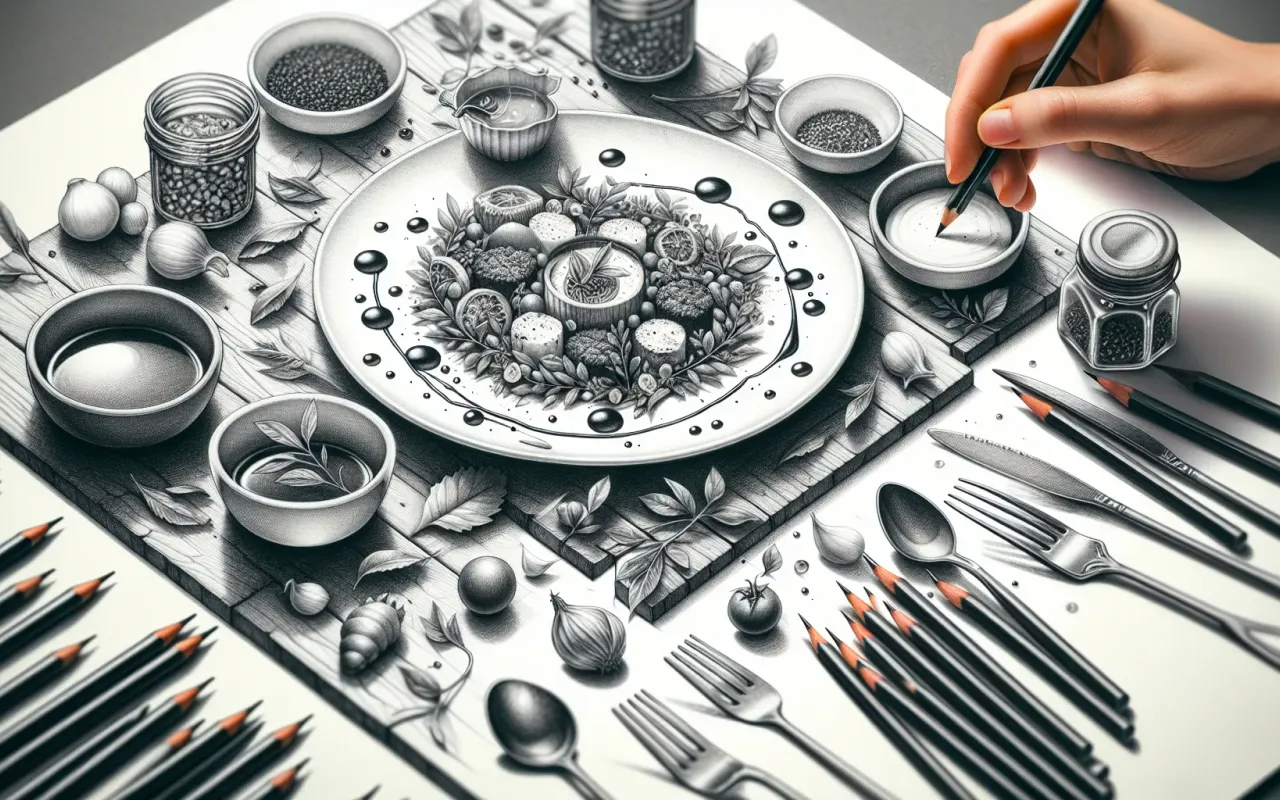
Discover the best plating techniques for home cooking. Elevate your dishes with these expert tips and make your meals visually stunning.
- August 18, 2024
Plating is more than just about making food look good. It’s an art form that can elevate a simple home-cooked meal into a fine dining experience. Whether you're a culinary novice or an experienced home chef, mastering the best plating techniques for home cooking can make your dishes more visually appealing and enjoyable.
In this comprehensive guide, we’ll explore the principles of plating, share expert tips, and offer practical solutions to common plating challenges. Let’s dive in and transform your next meal into a masterpiece!
The Principles of Good Plating
Before diving into specific techniques, it's essential to understand the foundational principles that make up good plating. These principles ensure your dishes are not only beautiful but also functional and delicious.
Balance
Balance is crucial in plating. It means having a harmonious distribution of ingredients, colors, and textures. Avoid overloading the plate with too many ingredients, which can appear chaotic and unappetizing.
Focus
Every plate should have a focal point. This could be the main protein, a vibrant vegetable, or an artistic drizzle of sauce. The eye should be naturally drawn to the central element of the dish.
Symmetry and Asymmetry
Symmetry can create a pleasing and formal look, but don't shy away from asymmetry. Asymmetrical plating brings dynamic energy and modern aesthetic to your dish.
Color Contrast
Using contrasting colors makes a dish visually striking. Mix vibrant vegetables with neutral tones to create a balanced and appealing presentation.
Essential Plating Techniques for Home Cooks
Now that we understand the principles, let’s explore some of the best plating techniques for home cooking that can make your dishes stand out.
1. Layering
Layering adds depth and height to your plates. Start with a base layer such as mashed potatoes or a vegetable puree and build up from there. This technique adds dimension and makes the dish more interesting.
2. Sauces and Drizzles
Sauces can either frame the dish or act as an accent. Use a spoon or squeeze bottle to create visually appealing lines or dots. Remember, less is often more.
3. Garnishing
A well-chosen garnish can elevate a dish. Opt for fresh herbs, edible flowers, or a crispy element like toasted nuts. Ensure the garnish complements, rather than overwhelms, the dish's flavors.
4. Negative Space
Don’t be afraid of empty space on the plate. Negative space can emphasize the focal point and provide a clean, sophisticated look.
5. Using Shapes
Play with shapes by cutting vegetables or proteins into interesting forms. Round shapes, squares, and even triangles can add a unique flair to your plating.
Practical Tips for Everyday Plating
Beyond the techniques, here are some practical tips to help you implement the best plating techniques for home cooking in your daily routine.
Keep it Simple
Complex plating is not always better. Sometimes simple arrangements can be the most effective. Focus on a few high-quality ingredients and let them shine.
Prep in Advance
Having all elements of your dish prepared beforehand can make plating smoother and less stressful. Ensure everything is trimmed, cooked, and ready to go before you start plating.
Use the Right Tools
Invest in some basic plating tools like tweezers, squeeze bottles, and ring molds. These can help you achieve neatness and precision.
Stay Clean
Always wipe the edges of your plate with a clean cloth before serving. This small detail can make a big difference in the overall presentation.
Experiment
Don’t be afraid to try new things. Plating is an art, and like any art, it thrives on creativity and experimentation. Take inspiration from restaurants or food magazines but make it your own.
Common Plating Mistakes to Avoid
Even with the best plating techniques for home cooking, there are common pitfalls to watch out for. Avoiding these mistakes can help you present food like a pro.
Overcrowding the Plate
Too many elements can make a plate look cluttered and unappetizing. Ensure there is enough space for each component to stand out.
Poor Color Choice
Avoid using colors that blend into each other or create a dull appearance. Aim for bright, contrasting colors that make each element pop.
Ignoring Textures
A plate full of elements with the same texture can be monotonous. Mix crispy, crunchy, smooth, and creamy components for a more enjoyable eating experience.
Neglecting the Main Ingredient
The main ingredient should always be the star of the plate. Secondary elements should enhance, not overshadow, the central component.
Conclusion
Mastering the best plating techniques for home cooking can transform your meals and make dining at home an extraordinary experience. By understanding the principles of good plating, utilizing essential techniques, and avoiding common mistakes, you can create dishes that are not only delicious but also visually stunning. Remember, practice makes perfect, so keep experimenting and refining your skills. Bon appétit!