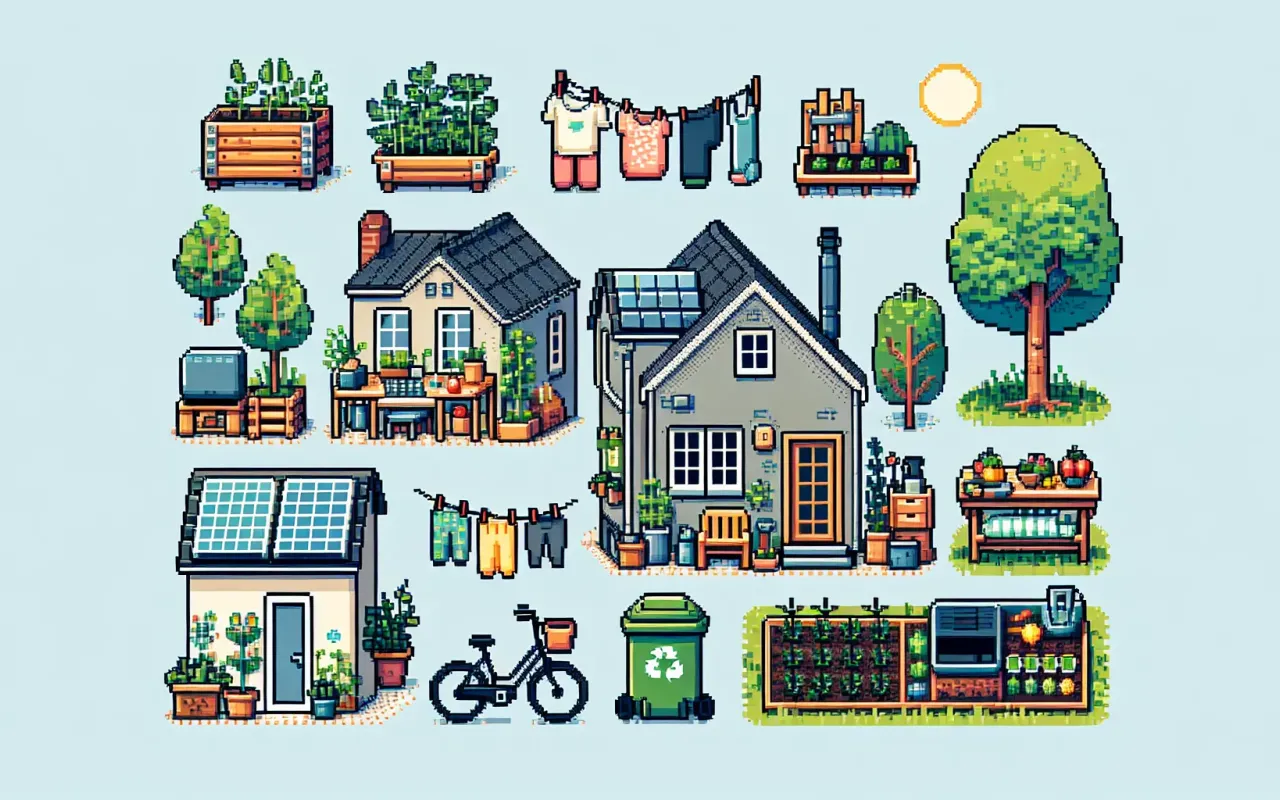
Learn how to embrace minimalist living and waste reduction with our comprehensive guide. Find strategies and tips for adopting a sustainable lifestyle that benefits you and the planet.
- August 18, 2024
In an age where consumerism drives the market and excess is often celebrated, the movements towards minimalist living and waste reduction have gained substantial ground. These lifestyles not only contribute to personal well-being but also play a pivotal role in environmental conservation. This comprehensive guide will delve into the principles of minimalist living and waste reduction, offering practical tips for adopting a more sustainable lifestyle.
Understanding Minimalist Living
Minimalist living is centered around the idea of intentionality—purposefully choosing to own fewer items and live more simply. It’s not about deprivation but about making room for what truly matters. Minimalism can significantly reduce cognitive load and stress, offering a life of clarity and purpose.
The Benefits of Minimalist Living
The advantages of minimalist living are manifold:
- Financial Freedom: By reducing unnecessary purchases, minimalism can lead to substantial savings.
- Mental Clarity: A decluttered environment often translates to a decluttered mind.
- Environmental Impact: Owning fewer items means fewer resources consumed and less waste generated.
Tips to Embrace Minimalist Living
Here are some actionable steps to help you transition to a minimalist lifestyle:
- Declutter Regularly: Start by sorting through your belongings and get rid of items that no longer serve a purpose.
- Prioritize Quality Over Quantity: Invest in high-quality items that last longer.', '1.un This can reduce the frequency of repurchasing.
- Adopt a One-In-One-Out Policy: For every new item you bring into your home, consider donating or recycling another.
Mastering Waste Reduction
Waste reduction is about minimizing the waste we generate on a day-to-day basis. Whether it's food waste, plastic waste, or electronic waste, the goal is to decrease the amount of trash that ends up in landfills.
Key Strategies for Waste Reduction
Here are some effective strategies to help you reduce waste in your daily life:
- Practice the 3 Rs: Reduce, Reuse, and Recycle. This fundamental principle serves as a guideline for waste management.
- Opt for Reusable Products: Move away from single-use items and invest in reusable alternatives like cloth bags, metal straws, and glass containers.
- Composting: Composting organic waste can significantly reduce the amount of rubbish headed to landfills and enrich the soil in your garden.
Daily Habits for Reducing Waste
Incorporate these habits into your routine to maintain a low-waste lifestyle:
- Plan Your Meals: Meal planning can minimize food waste by ensuring you use up ingredients before they spoil.
- DIY Cleaning Products: Creating your own cleaning supplies can eliminate the need for multiple plastic bottles.
- Repair and Repurpose: Before discarding damaged items, consider repairing them or repurposing them for another use.
Combining Minimalist Living and Waste Reduction
Combining minimalist living and waste reduction can create a harmonious and sustainable lifestyle. When you focus on owning less, naturally, you generate less waste. Here are some ways to merge these two philosophies:
Mindful Consumption
Make thoughtful purchases by asking yourself if a new item is truly necessary. This mindful approach can reduce the waste associated with impulsive buying.
Eco-Friendly Minimalism
Choose eco-friendly products and materials. Opt for sustainable brands that prioritize minimal packaging and environmentally-friendly practices.
Community and Sharing Economy
Engage in community sharing programs and the sharing economy. Borrow, rent, or share items that you don’t need to own permanently. This can significantly cut down the amount of waste you generate.
Conclusion
Embracing minimalist living and waste reduction is more than just a trend; it's a transformative approach to life that benefits both individuals and the environment. By making conscious decisions about what we consume and how we manage waste, we can create a more sustainable and fulfilling lifestyle. Start small, stay committed, and watch how these changes positively impact your life and the world around you.