Discover the importance of body language in communication with our comprehensive guide. Learn how to master non-verbal cues to improve your interactions.
- August 18, 2024
Introduction
In the realm of human interaction, communication extends far beyond words. The importance of body language in communication cannot be overstated, as it encompasses an array of non-verbal cues that convey emotions, attitudes, and intentions. From facial expressions to gestures, understanding body language can significantly enhance our ability to connect with others. This article delves into the critical aspects of body language, offering insights and tips on mastering non-verbal communication.
The Fundamentals of Body Language
Defining Body Language
Body language refers to the non-verbal signals that we use to communicate, including facial expressions, gestures, posture, and eye contact. These cues often carry more weight than spoken words and can either reinforce or contradict what is being said.
The Role of Non-Verbal Communication
Non-verbal communication plays a crucial role in conveying emotions and intentions. According to research, a significant portion of human communication is non-verbal. Studies suggest that body language accounts for 55% of the message we convey, while tone of voice represents 38%, and spoken words a mere 7%.
Elements of Body Language
Facial Expressions
Facial expressions are a powerful component of body language. They can reveal a person's true feelings and reactions. For instance, a smile typically indicates happiness or approval, while a frown can signify displeasure or confusion.
Gestures
Gestures, such as nodding, waving, or pointing, serve as dynamic tools for expressing ideas and emotions. Cultural variations should be considered, as some gestures may differ in meaning around the world.
Posture
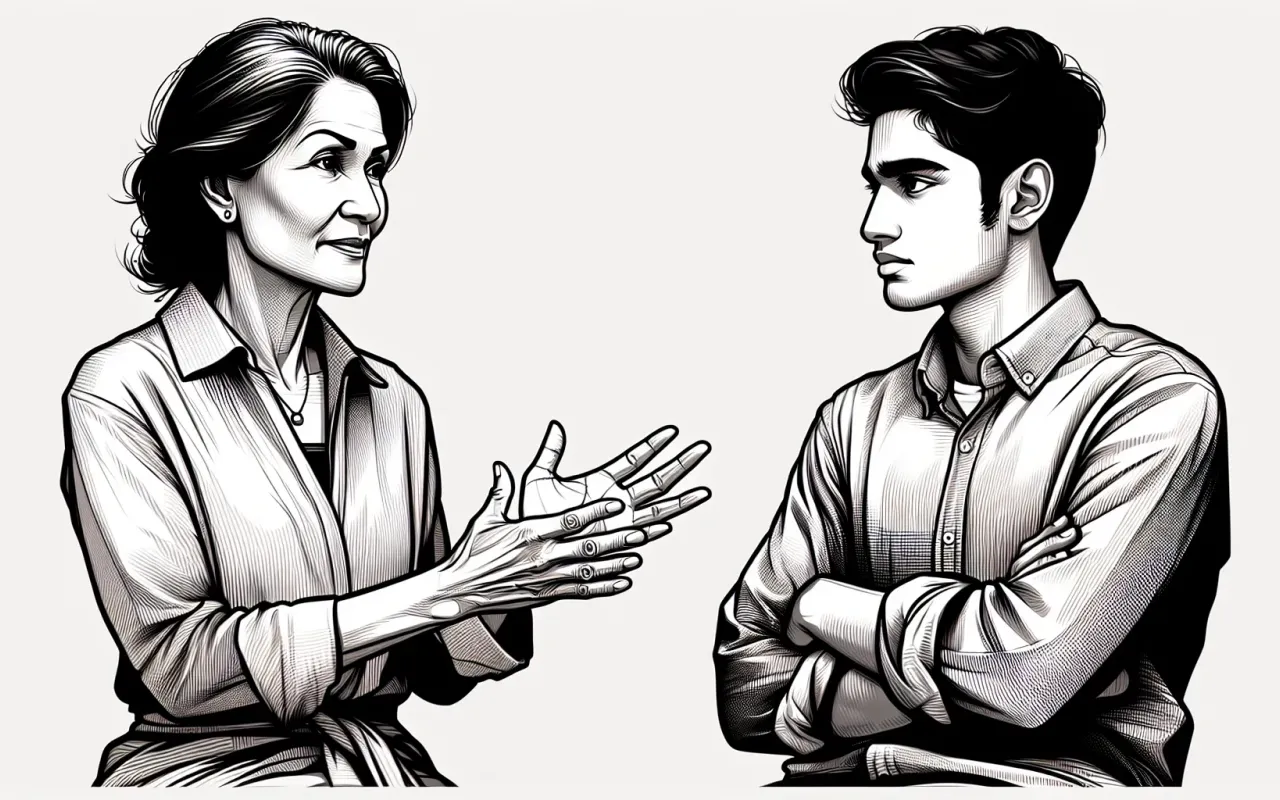
The way we carry ourselves speaks volumes about our confidence and attitudes. Open and relaxed postures generally indicate openness and willingness to engage, while closed or defensive postures may suggest discomfort or resistance.
Eye Contact
Eye contact is essential for building trust and showing interest. Sustained eye contact can convey confidence and attentiveness, whereas avoiding eye contact may imply dishonesty or disinterest.
The Impact of Body Language in Various Contexts
Professional Settings
In professional environments, effective body language can lead to more successful interactions, whether in job interviews, presentations, or team meetings. Displaying confidence through body language can enhance one's professional image and facilitate better collaboration.
Personal Relationships
In personal relationships, non-verbal cues play a pivotal role in expressing affection, empathy, and understanding. Being attuned to a partner’s body language can foster stronger connections and resolve conflicts more effectively.
Public Speaking
For public speakers, mastering body language is essential for engaging the audience and conveying messages more compellingly. Effective use of gestures, facial expressions, and eye contact can significantly enhance delivery and impact.
Tips for Mastering Body Language
Be Mindful of Your Own Body Language
Self-awareness is the first step to mastering body language. Pay attention to your own non-verbal signals and ensure they align with your spoken words. Practice maintaining open postures and making appropriate eye contact.
Interpret Others' Body Language
Enhance your communication skills by learning to read others' body language. Observe their facial expressions, gestures, and posture. Context is crucial, so consider the situation and cultural factors when interpreting these cues.
Practice Active Listening
Active listening involves paying close attention to both verbal and non-verbal messages. Show that you are engaged by nodding, maintaining eye contact, and offering verbal affirmations. This demonstrates respect and fosters mutual understanding.
Use Mirroring Techniques
Mirroring is the subtle imitation of another person's gestures, expressions, and posture. This can create a sense of rapport and empathy, making the other person feel understood and valued. Use mirroring naturally and sensitively to avoid coming across as insincere.
Common Mistakes in Body Language and How to Avoid Them
Fidgeting
Fidgeting can signal nervousness or impatience. To avoid this, practice techniques such as deep breathing or visualization to stay calm and focused during interactions.
Crossed Arms
Crossed arms can appear defensive or closed off. Instead, keep your arms relaxed and open to communicate receptiveness and openness.
Avoiding Eye Contact
Avoiding eye contact might suggest dishonesty or disinterest. Practice maintaining eye contact in a balanced manner to convey trustworthiness and engagement.
Conclusion
The importance of body language in communication cannot be underestimated. Mastering non-verbal cues such as facial expressions, gestures, posture, and eye contact can profoundly impact both personal and professional interactions. By being mindful of your own body language and learning to interpret others' cues, you can enhance your communication skills and foster more meaningful connections. Remember, effective communication is not just about what you say, but also how you say it.