Learn how to check a used car for accident damage with simple tools and tricks. Spot frame repairs, paint work, and hidden problems before you buy.
- November 16, 2026
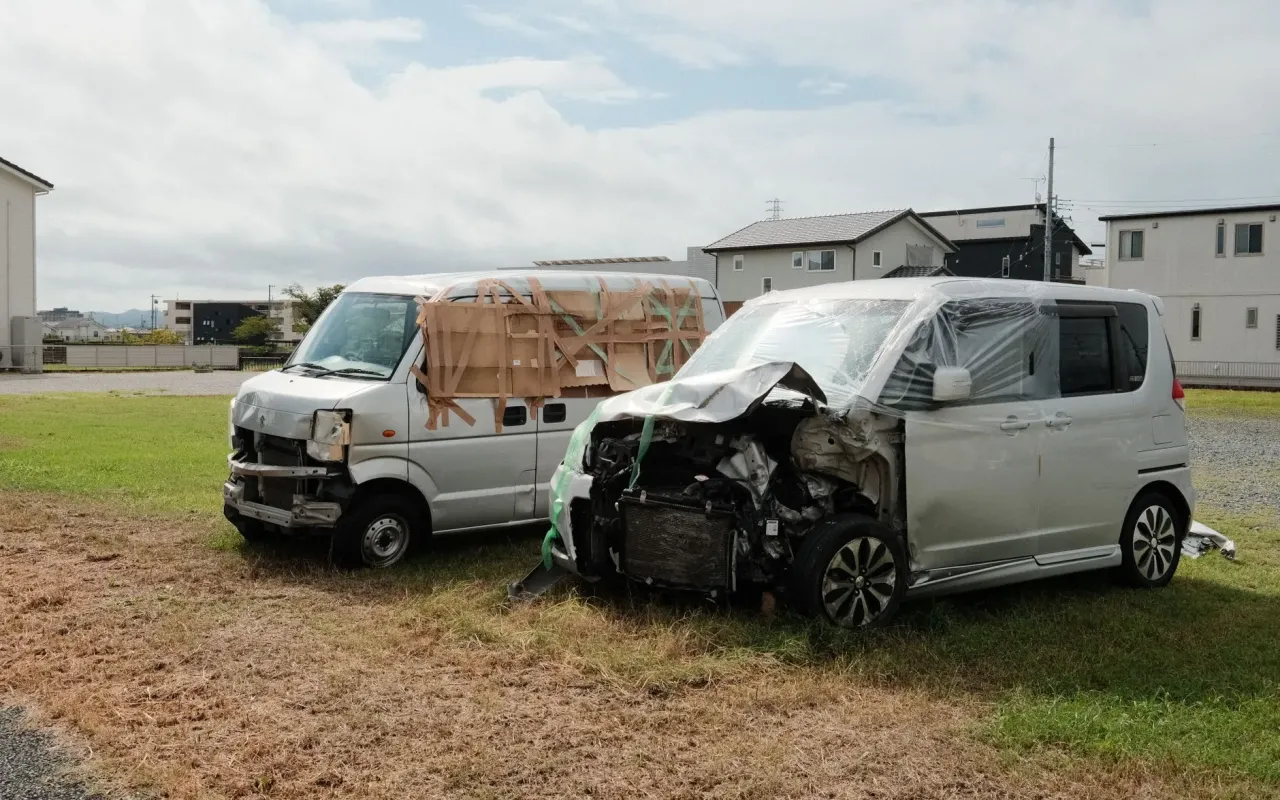
AceShowbiz - You're standing in a stranger's driveway, looking at a shiny used sedan that seems perfect. The seller swears it's never been in a wreck. But roughly one in four vehicles on the road has a damage history, and plenty of those get cleaned up and flipped without a word. If you don't know what to look for, you could drive off in a car with a bent frame, a flooded engine bay, or a paint job hiding rust that'll eat through the fender in two winters.
The good news: you don't need a mechanic's license to catch most of this stuff. A flashlight, a magnet, and about 30 minutes of focused inspection will tell you more than any seller's story ever will. Here's how to check a used car for accident damage the way people who buy and sell cars for a living actually do it.
Start With the Paper Trail Before You Touch the Car
Most buyers jump straight to kicking tires, but the smartest move happens before you leave the house. Ask the seller for the VIN (vehicle identification number) and run it through a service like Carfax or AutoCheck. These reports pull from insurance claims, police reports, and state title records. A clean report isn't a guarantee, but a report showing "structural damage" or "total loss" is your cue to walk away.
You should also ask for maintenance records. A car with regular oil changes and documented service tends to be a car that got fixed properly after any collision. Sellers who "can't find the paperwork" on a 6-year-old car are telling you something, even if they don't mean to.
One thing people miss: check the title itself for brands like "salvage," "rebuilt," or "flood." Some states print these right on the title, and a rebuilt title means the car was declared a total loss at some point. It can still be a fine vehicle, but you deserve to know, and it should knock thousands off the price.
Practical tip: Run the VIN through a free service like the National Insurance Crime Bureau's VIN check before you even schedule a test drive. It won't catch everything, but it flags stolen and salvage records in seconds.
Look at the Paint Like a Detective
Body shops are good, but they're rarely perfect. The trick is to look at the car in bright, direct sunlight, not in a shaded garage where the seller wants you to see it. Sunlight reveals what shade hides: mismatched panels, tiny specks of overspray, and the "orange peel" texture that comes from a rushed repaint.
Walk around the car slowly and compare each panel to its neighbor. Factory paint is applied by robots, so it's incredibly even. A repainted door or fender will often look slightly duller, slightly brighter, or have a faint haze along the edges where the painter taped off the panel. Run your fingers along the gap between panels, too. Uneven gaps — a wide gap on one side of the hood and a tight one on the other — suggest panels were removed and bolted back on, which usually means collision repair.
The Magnet Test and Overspray Check
Bring a small flexible magnet and run it gently over the body panels, especially the doors, quarter panels, and roof. Steel attracts the magnet; body filler (Bondo) does not. If the magnet won't stick in a patch, there's filler under that paint, and filler means dent repair. A little filler over a door ding is normal. A big soft spot the size of a dinner plate on a fender is a red flag.
Overspray is another giveaway. Look closely at the rubber weather stripping around windows, the plastic trim between panels, and the edges of the headlights and taillights. A sloppy repaint leaves a fine mist of paint on these surfaces. It's easy to miss until you know to look.
Inspect the Frame and Structural Areas
This is where accident damage gets serious. A car's frame (or unibody structure) is designed to crumple in a crash to protect you. Once it's bent and straightened, it's never quite as strong as it was. Frame damage also causes weird tire wear, pulling to one side, and doors that don't close right. It's the single biggest reason to walk away from a used car.
Open the hood and look at the "apron" areas — the metal around the strut towers and the inner fenders. You're looking for wrinkles, creases, or ripples in the metal that shouldn't be there. Factory metal is smooth and stamped cleanly. Repair work leaves weld marks, fresh seam sealer smeared unevenly, or paint that looks newer in one spot than the rest of the engine bay.
Check the bolts that attach the fenders, hood, and radiator support. Factory bolts have paint marking them and are usually untouched. If the bolt heads are scratched, rounded, or missing paint, someone turned a wrench there. That's a strong sign of front-end collision repair.
Check the Doors, Trunk, and Glass
Open and close every door, the trunk, and the hood. They should close with a solid, even thunk and line up flush with the body. A door that hangs low, sticks, or needs a slam to latch can mean the frame is tweaked. Look at the door hinges too — a repainted hinge or one with fresh bolts suggests the door was replaced.
Then check the glass. Every window has a small manufacturer's logo and a date code etched in the corner. If one window's code is wildly different from the others, that window was likely replaced in a collision. Same logic applies to headlights and taillights: a brand-new-looking light on one side of a 7-year-old car is a clue.
Practical tip: Bring a small flashlight and shine it down into the gaps between the doors and the body. You'll see overspray, tape lines, and fresh primer that you'd never spot in daylight alone.
Look Underneath and Under the Hood
Get down on the ground — yes, really — and look under the car with your flashlight. You're checking for fresh undercoating, which body shops spray over repaired frame sections to hide the work. Factory undercoating is uniform; a patch of fresh, shiny black coating in one area is a tell. Also look for bent or shiny scraped metal on the frame rails, and mismatched bolts on the suspension components.
Under the hood, check the fluid colors. Fresh, clean coolant and oil in a high-mileage car can be a good sign of maintenance, but it can also be a seller's last-minute attempt to hide leaks. Look at the radiator and its support bracket — a replaced radiator often points to a front-end hit. And check the inner edges of the hood and fenders for paint that doesn't match the exterior, since body shops sometimes skip those areas.
Pay attention to the tires too. Uneven wear — bald on the inside edge of one tire, fine on the outside — can point to alignment problems caused by frame or suspension damage. Four tires that are all different brands is another clue that the owner was patching things together cheaply.
Test Drive With Damage in Mind
A test drive is your chance to feel what the inspection can't show. Find a straight, flat stretch of road and take your hands off the wheel for a second (safely, with the seller's permission). The car should track straight. If it pulls to one side, that can mean an alignment issue, a bent suspension component, or a tweaked frame.
Listen for rattles, clunks, and squeaks over bumps. A car that's been in a serious collision often develops noises from panels that don't fit quite right. Brake firmly from about 40 mph in a safe spot — the car should stop straight without shuddering. If the steering wheel shakes or the car pulls during braking, that's worth investigating before you hand over cash.
Finally, get a pre-purchase inspection from an independent mechanic. It usually costs $100 to $200, and it's the best money you'll spend on the whole process. A good mechanic will put the car on a lift, check the frame with a straightedge, scan for stored crash codes in the computer, and tell you in plain English whether the car is worth buying.
Practical tip: Ask the mechanic specifically to check for "frame damage and prior structural repair." Some shops do a quick visual once-over by default, but a targeted inspection digs deeper.
When to Walk Away
Some damage is fixable and priced in. A repainted bumper from a parking lot scrape? Normal, and often nothing to worry about. But there are lines you shouldn't cross, no matter how good the deal looks. Frame damage, flood damage, and a salvage or rebuilt title are the big three. Any of those and you should either walk away or demand a steep discount and a second opinion from your own mechanic.
Trust your gut, too. If the seller is pushy, won't let you take the car to a mechanic, or gets weird about you running the VIN, that's information. Honest sellers welcome a thorough inspection because it makes the sale easier. The ones who don't are usually hiding something.
Remember that a used car is a big purchase, and there are always more cars out there. Spending an extra hour with a flashlight and a magnet can save you thousands in repairs and a lot of headaches down the road. Do the homework, ask the hard questions, and don't let a shiny paint job talk you out of what your eyes are telling you.