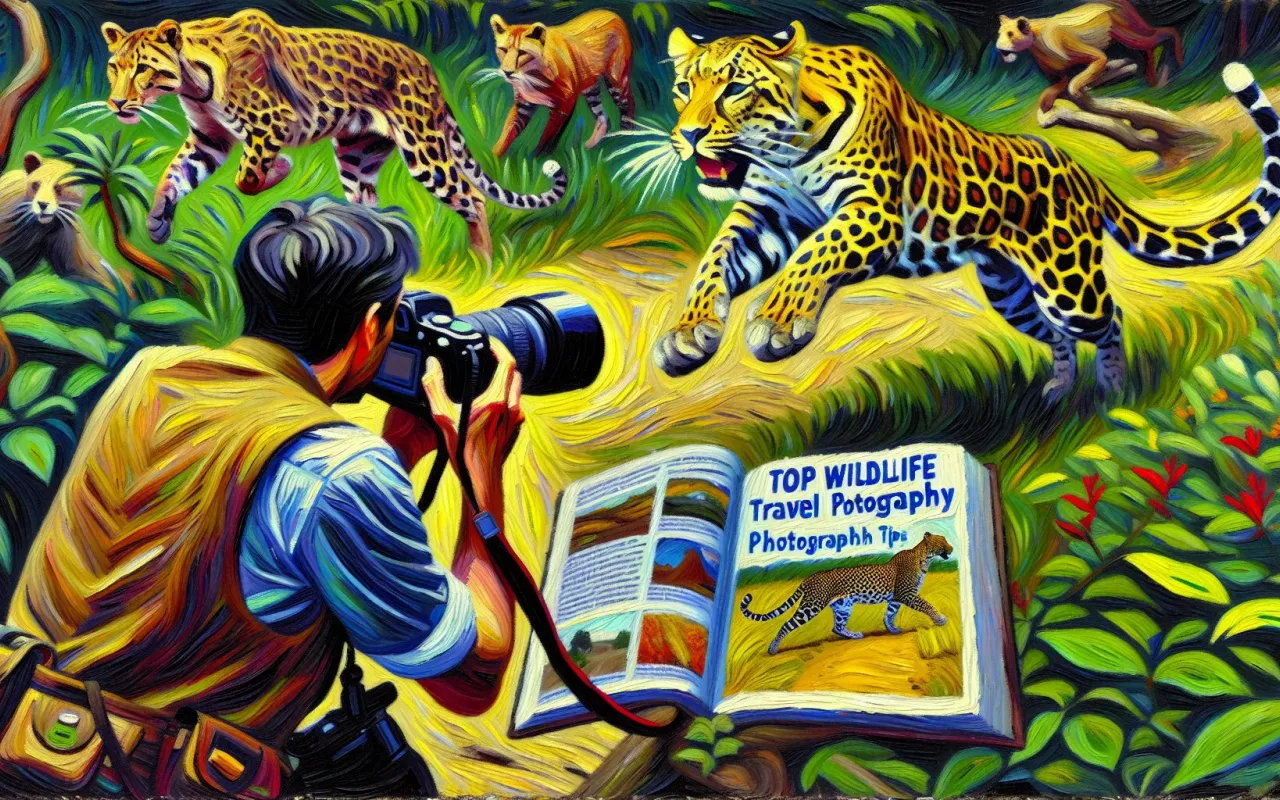
Learn the top wildlife travel photography tips to capture stunning shots. Our expert guide provides essential know-how for taking remarkable wildlife photos while traveling.
- August 13, 2024
AceShowbiz - Wildlife travel photography is a thrilling way to capture the beauty of nature and its creatures. However, it requires a unique blend of skill, patience, and knowledge to get those once-in-a-lifetime shots. This article will provide you with top wildlife travel photography tips to ensure you capture stunning shots that you'll cherish forever.
Understanding Your Gear
Choosing the Right Camera
Your camera is your most essential tool in wildlife photography. Opt for a camera that has a fast autofocus system, good low-light performance, and the ability to shoot in burst modes. DSLRs and mirrorless cameras are often preferred over compact cameras because of their versatility and image quality.
Lenses Matter
Lenses play a critical role in wildlife photography. A telephoto lens with a focal length of at least 300mm is preferred for distant subjects. If you can afford it, consider investing in prime lenses, which generally offer superior image quality. Additionally, carrying a wide-angle lens can help capture stunning landscapes that complement your wildlife shots.
Accessories to Carry
Investing in good accessories can enhance your photography experience. A sturdy tripod is essential for stabilizing your camera during long shoots. Also, don’t forget extra batteries and memory cards. A reliable camera bag can help protect your equipment from harsh weather conditions.
Understanding Animal Behavior
Research Before You Go
Understanding the species you’re photographing can make a huge difference. Research their habits, feeding times, and habitats. This knowledge will help you anticipate their actions and position yourself for the best shots.
Respect Wildlife
Always maintain a safe distance from wildlife. Not only is this important for your safety, but it also ensures you don’t disturb the animals. Use a longer lens instead of getting closer and respect the environment you are in.
Mastering Camera Settings
Shooting in Manual Mode
To have full control over your shots, use manual mode. This allows you to adjust the aperture, shutter speed, and ISO according to the lighting conditions and the movement of your subject.
Optimal Shutter Speed
Wildlife can be unpredictable and fast. To freeze action, use a shutter speed of at least 1/1000s. For slower or resting animals, you can use slower speeds but be mindful of camera shake.
Aperture Settings
A wider aperture (lower f-number) will give you a shallow depth of field, blurring the background and focusing on your subject. However, for landscapes, a narrower aperture (higher f-number) will keep more of the scene in focus.
ISO Sensitivity
Wildlife is often active at dawn or dusk. Increase the ISO to ensure a well-exposed image in low light. However, avoid pushing it too high to prevent grainy images.
Composition Techniques
Rule of Thirds
This basic principle of composition involves dividing your image into three equal parts, both horizontally and vertically, and placing the subject along these lines or their intersections.
Eye-Level Perspective
Photographing wildlife at eye level creates a more intimate and engaging image. This might require lying on the ground or getting into unusual positions, but the results are often worth it.
Capturing Movement
Showcase the dynamism of wildlife by capturing movement. Use panning techniques with slower shutter speeds to create a sense of motion, or freeze the action with high shutter speeds.
Patience and Persistence
Wildlife photography demands patience. You may need to wait for hours, sometimes days, for the perfect shot. Persistence is key. Keep observing, and don't be discouraged by initial failures.
Post-Processing
Editing Tools
Post-processing is an essential part of digital photography. Use software like Adobe Lightroom or Photoshop to enhance your images. Adjust exposure, contrast, sharpness, and colors to make your shot stand out.
Maintain Natural Look
While editing, strive to maintain a natural appearance. Over-editing can make images look unnatural. Subtle adjustments often work best to enhance the beauty of your photos.
Ethical Considerations
As a wildlife photographer, always follow ethical practices. Avoid disturbing animals and their habitats. Without ethical considerations, we risk harming the very subjects we wish to celebrate.
Conclusion
Wildlife travel photography is a challenging yet rewarding endeavor. By understanding your gear, mastering camera settings, respecting wildlife, and being patient, you can capture stunning images that tell the story of the natural world. Use these wildlife travel photography tips as your guide, and embark on your photographic adventures with confidence.