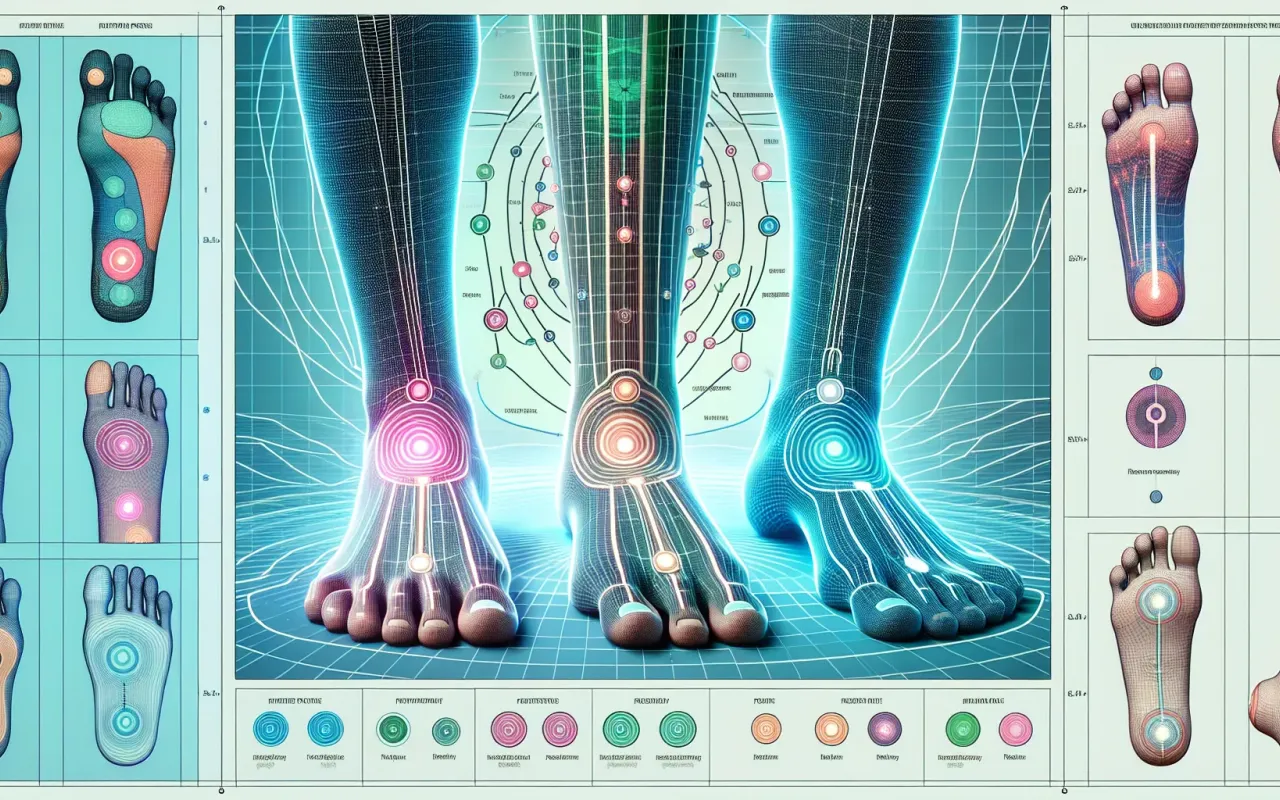
Discover the ultimate guide to reflexology pressure points for feet. Learn how to use foot reflexology to enhance your well-being with expert tips and insights.
- August 13, 2024
Reflexology is an ancient practice that has been used for thousands of years to promote relaxation, alleviate pain, and enhance overall well-being. This comprehensive guide will delve into the world of reflexology pressure points for feet, providing you with valuable insights and practical tips for utilizing this powerful technique.
What is Reflexology?
Reflexology is a therapeutic method that involves applying pressure to specific points on the feet, hands, and ears. These reflex points correspond to various organs, glands, and systems in the body. By stimulating these points, reflexologists believe they can effect positive changes in the corresponding areas of the body, thereby promoting health and well-being.
How Does Reflexology Work?
Reflexology works on the principle that certain points on the feet are connected to specific organs and body systems. By applying gentle pressure to these points, reflexologists aim to break up energy blockages and restore the natural flow of energy (Chi) within the body. This can result in improved circulation, reduced tension, and enhanced healing.
Reflexology Pressure Points for Feet: The Foot Map
A reflexology foot map is a detailed chart that delineates various pressure points on the feet and their corresponding body parts. Understanding this map is crucial for effectively practicing foot reflexology.
Toes
The tips of the toes are believed to be connected to the brain and head. By working on these points, you can help relieve headaches and improve mental clarity.
Balls of the Feet
The balls of the feet are thought to correlate with the chest and lung area. Applying pressure here can assist with respiratory issues and promote better lung function.
Arch
The arch of the foot reflects the stomach, liver, and pancreas. Stimulating these points can aid in digestion and help manage digestive disorders.
Heel
The heel is associated with the pelvic and lower back region. Techniques focused on the heel can help alleviate lower back pain and improve pelvic health.
Benefits of Foot Reflexology
Foot reflexology offers numerous benefits that can enhance your health and well-being. Here are some of the key advantages:
Stress Relief
One of the primary benefits of foot reflexology is its ability to reduce stress levels. Regular sessions can help calm the mind and body, promoting a state of relaxation.
Improved Circulation
Reflexology can enhance blood flow, particularly to the extremities. This can be especially beneficial for individuals with circulation issues.
Pain Management
By targeting specific reflex points, foot reflexology can help alleviate various types of pain, including headaches, migraines, and lower back pain.
Better Sleep
Integrating foot reflexology into your routine can improve your sleep patterns, aiding in the treatment of insomnia and promoting restful sleep.
How to Perform Foot Reflexology
If you're interested in trying foot reflexology at home, here's a step-by-step guide to get you started:
1. Prepare Your Environment
Create a calm and comfortable space. Use pillows, soft lighting, and soothing music to set the stage for relaxation.
2. Wash and Relax Your Feet
Begin by washing your feet with warm water. This not only cleanses them but also helps to relax the muscles.
3. Locate the Reflex Points
Refer to a reflexology foot map to identify the specific points you wish to target. Use your fingers or thumbs to apply gentle pressure to these areas.
4. Use Varied Techniques
Combine different techniques such as circular motions, slides, and presses. This ensures that you stimulate the reflex points effectively.
5. Be Consistent
For best results, practice foot reflexology regularly. Consistency is key to experiencing the full benefits of this therapeutic practice.
Precautions and Considerations
While foot reflexology is generally safe for most people, there are some important precautions to keep in mind:
Avoid if Injured
Do not perform reflexology on areas of the foot that are injured, inflamed, or infected.
Consult a Professional
If you have a serious health condition, it's crucial to consult a healthcare professional before starting any new therapy, including foot reflexology.
Not a Substitute for Medical Treatment
While reflexology can complement medical treatments, it should not be used as a substitute for professional medical care.
Conclusion
Foot reflexology is a powerful practice that offers numerous health benefits. By understanding the reflexology pressure points for feet and applying this knowledge, you can enhance your well-being and lead a more balanced, healthier life. Remember to consult a professional for personalized advice and, most importantly, listen to your body's feedback as you explore this ancient therapeutic technique.