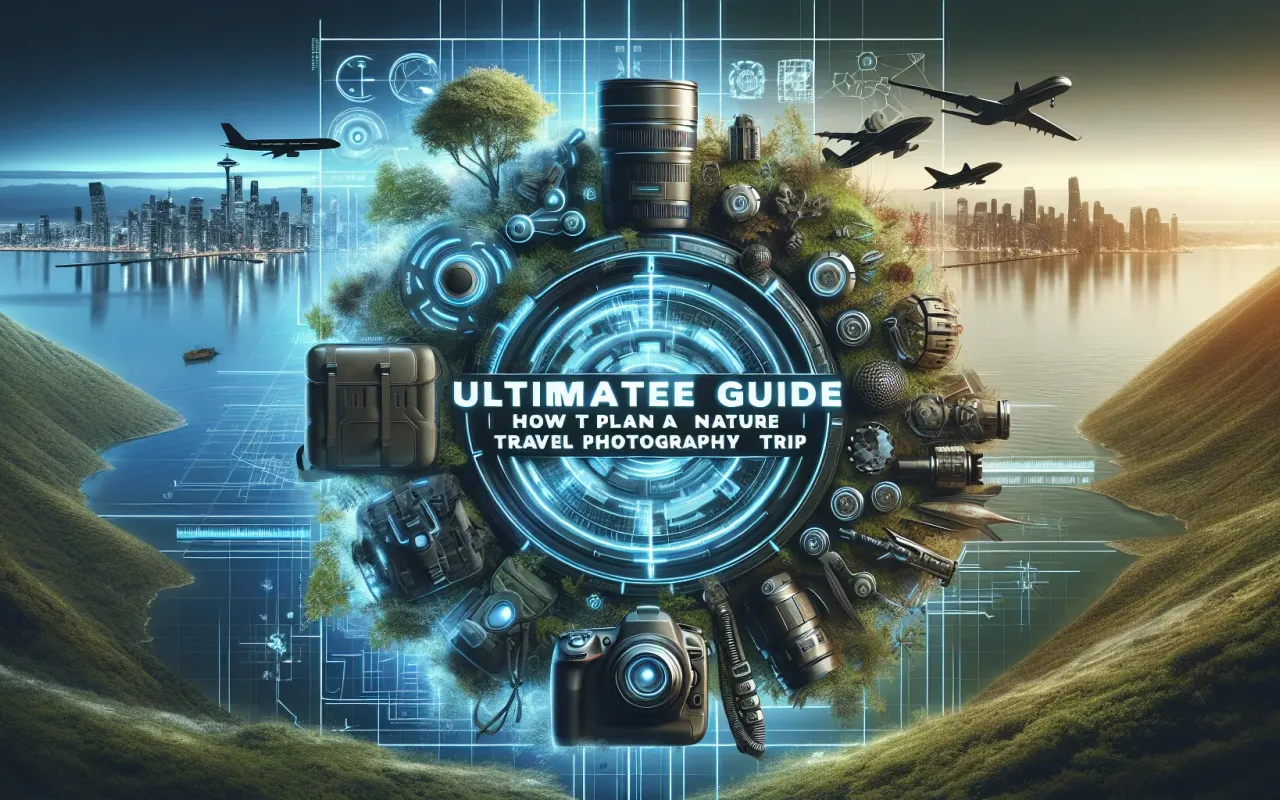
Learn how to plan a nature travel photography trip with our comprehensive guide. Discover tips, gear recommendations, and destination ideas to maximize your experience.
- August 8, 2024
Introduction
There’s something captivating about nature travel photography. The mix of beautiful landscapes, diverse wildlife, and the tranquility of the great outdoors makes it a great adventure. Planning a nature travel photography trip requires more than just grabbing a camera and venturing out. This comprehensive guide is designed to help you with every step of the planning process, ensuring you are well-prepared to capture stunning images and savor every moment of your journey.
Research Your Destination
Choose Your Location
The first step in planning a nature travel photography trip is selecting a location. Consider what type of scenery and wildlife you wish to capture. Popular options include national parks, nature reserves, and remote landscapes known for their natural beauty. Long-tail keywords to consider: national park photography tips, best nature photography locations.
Study the Climate and Weather
The weather can significantly impact your photography plans. Research the climate and weather patterns of your chosen destination during the time of your trip. Knowing the best seasons for different experiences will help you pack appropriately and plan the best time for capturing the natural beauty.
Local Regulations and Permits
Many nature photography spots are protected areas requiring permits for entry or photography. Check with local authorities or park services to learn about necessary permits, regulations, and possible restrictions. Obtaining these in advance can save you from last-minute hassles.
Gear Preparation
Camera and Lenses
Shooting nature photography typically requires a DSLR or mirrorless camera to capture high-quality images. Pack essential lenses like a wide-angle for landscapes, a macro for close-ups, and a telephoto for wildlife. Long-tail keywords: best camera for nature photography, essential lenses for travel photography.
Accessories
Ensure you have the necessary accessories:
- Tripod: For stable shots and long exposures.
- Filters: Polarizing and ND filters enhance image quality by managing light and reflections.
- Extra Batteries and Memory Cards: Nature shoots can be unpredictable, so carry spare power and storage.
Safety and Survival Gear
When venturing into nature, staying safe is paramount. Pack basic survival gear such as a first aid kit, water purifier, GPS device, and multi-tool. Ensure you dress appropriately with layers and sturdy footwear suitable for the terrain.
Planning Your Itinerary
Create a Photography Schedule
Plan your sessions around "golden hours," the periods shortly after sunrise and before sunset, when natural light is at its most flattering. Research the local sunrise and sunset times and consider nighttime photography for capturing the beauty of the stars and moonlit landscapes.
Scout Locations
Before you start photographing, scouting your locations can give you insight into the best vantage points and compositions. If possible, arrive a day early to explore and chart your preferred spots.
Plan for Downtime
Include downtime in your itinerary to rest, review your photographs, and adapt your plans if necessary. This flexibility can improve your overall experience and photography results.
Tips for Capturing Stunning Images
Understand Camera Settings
Knowing how to adjust your camera settings will significantly impact your photography. Understand ISO, aperture, and shutter speed to control exposure, depth of field, and motion blur. Practice using manual mode to get familiar with these settings.
Compose Thoughtfully
Composition is key in nature photography. Use techniques such as the rule of thirds, leading lines, and framing to draw attention to your subject and create balanced, visually appealing images.
Patience and Persistence
Nature photography often requires waiting for the perfect moment. Be patient and persistent, whether waiting for the right light, a rare animal sighting, or simply a moment of natural tranquility.
Post-Trip Workflow
Organize and Backup
Upon returning from your trip, it's crucial to organize and back up your photos. Create a systematic folder structure on your computer and consider using external drives or cloud storage to safeguard your work.
Editing and Post-Processing
Editing can enhance the quality of your photos. Use photo editing software to correct exposure, adjust colors, and crop compositions. Aim to enhance the natural beauty without over-editing.
Share and Reflect
Share your work with the world through social media, a personal blog, or photography communities. Reflect on what you learned and how you can apply these lessons to future photography trips.
Conclusion
Planning a nature travel photography trip involves careful research, proper gear, thoughtful itinerary planning, and post-trip diligence. By following these guidelines, you can make the most of your adventure and capture stunning images that reflect the beauty of nature. Whether you’re an aspiring photographer or an experienced professional, these tips will enhance your skills and enjoyment in nature travel photography.