Dame Lesley Lawson, widely known by her iconic nickname Twiggy, is an English model, actress, and singer who became one of the most recognizable faces of the Swinging Sixties and a lasting British cultural icon. Born Lesley Hornby on September 19, 1949, in Neasden, Middlesex, England, she rose from modest beginnings to achieve global fame at a remarkably young age, reshaping the fashion world's standards of beauty with her slim build, large eyes, long eyelashes, and signature short, cropped hair.
Twiggy's meteoric rise began in 1966, when she was named "The Face of 1966" by the Daily Express and voted British Woman of the Year. Her androgynous, waif-like look stood in sharp contrast to the curvier glamour models of the era, and it quickly made her a defining image of 1960s London. By 1967, her fame had spread worldwide, and she had modeled in France, Japan, and the United States. She appeared on the covers of major publications including Vogue and The Tatler, cementing her status as an international fashion phenomenon.
After conquering the modeling world, Twiggy successfully transitioned into acting, building a career across screen, stage, and television. Her performance in The Boy Friend (1971) earned her two Golden Globe Awards and demonstrated that her talents extended well beyond the runway. In 1983, she made her Broadway debut in the musical My One and Only, a role that earned her a Tony nomination for Best Actress in a Musical. She continued to appear in various film and stage productions, proving herself a versatile performer.
Twiggy also made her mark as a television personality. She hosted her own series, Twiggy's People, in which she interviewed celebrities, and later served as a judge on the reality competition America's Next Top Model, introducing her to a new generation of audiences. In 1998, she published her autobiography, Twiggy in Black and White, which entered the best-seller lists and offered an intimate look at her extraordinary life and career.
From 2005 onward, Twiggy returned to modeling as the face of Marks and Spencer, appearing in television advertisements and print media campaigns. Her association with the brand has been credited with contributing to the company's successful revival during that period. Her enduring appeal and adaptability have kept her in the public eye for more than five decades, spanning fashion, film, music, and television. As a pioneer of the modern supermodel era and a symbol of 1960s cultural revolution, Twiggy remains one of the most influential figures in British entertainment and fashion history.
⭐
Similar Celebrities



📷
Recent Photos
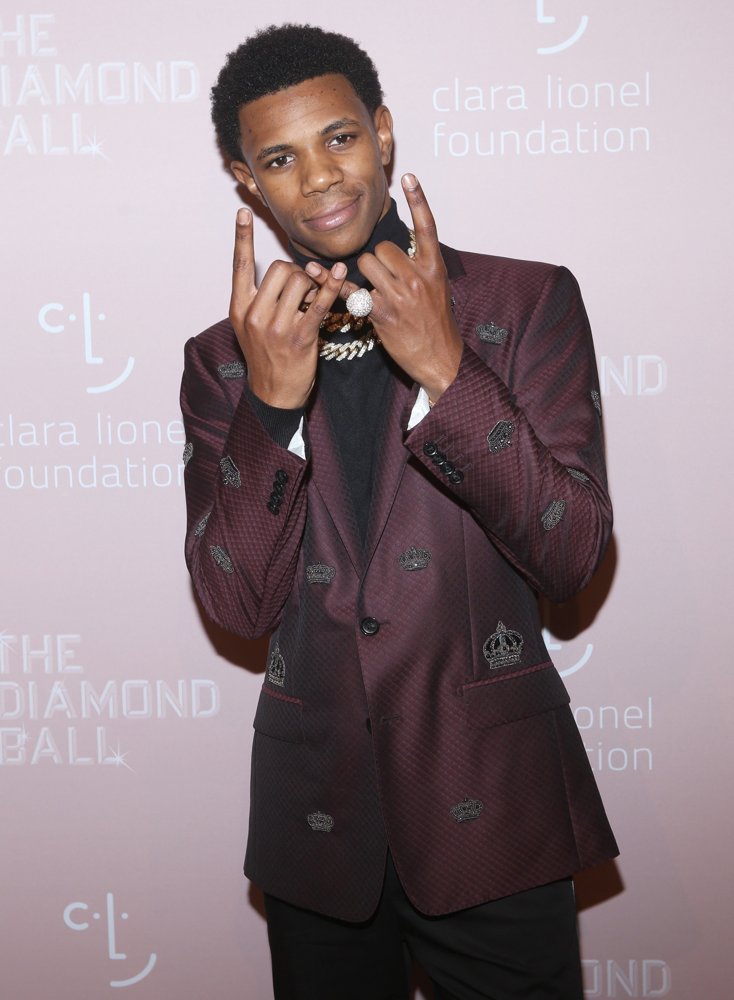
A Boogie Wit Da Hoodie
Rihanna's 4th Annual Diamond Ball
Sep 13, 2018
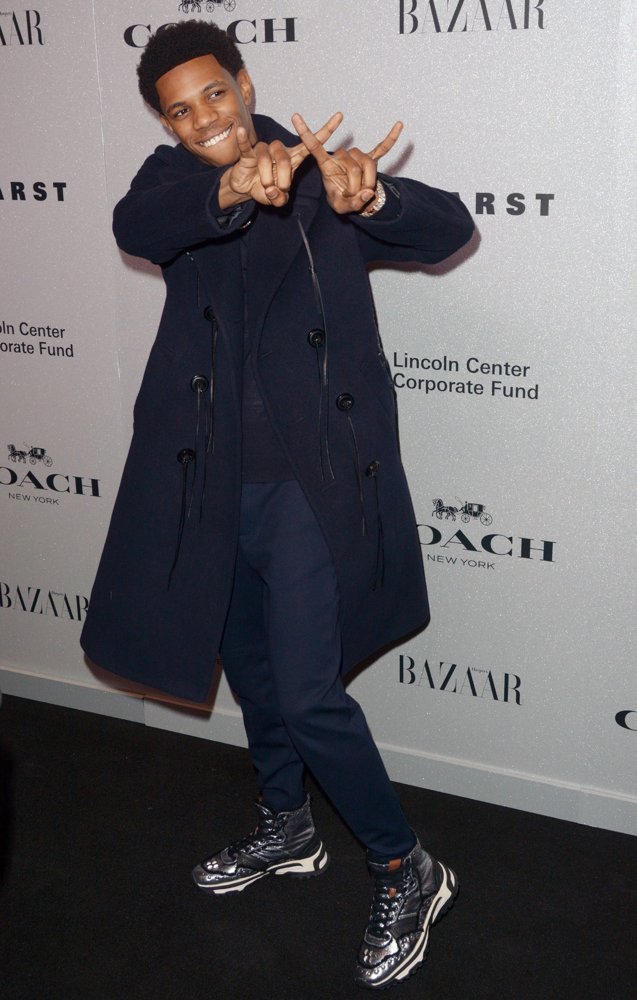
A Boogie Wit Da Hoodie
Lincoln Center Fashion Gala - An Evening Honoring Coach
Nov 29, 2018
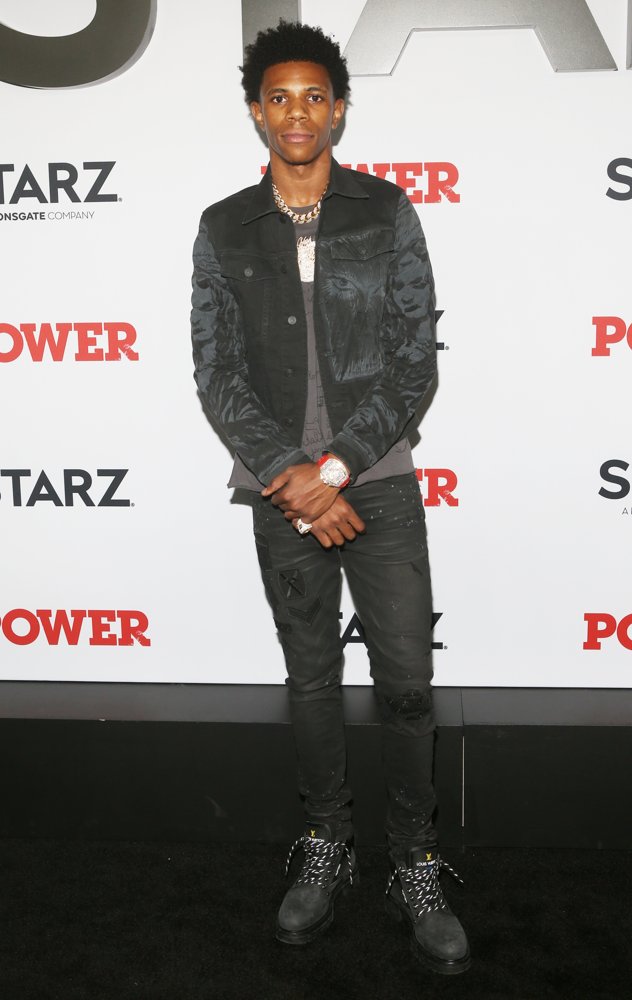
A Boogie Wit Da Hoodie
STARZ Red Carpet Event for Power Final Season World Premiere
Aug 20, 2019

A Fine Frenzy
2014 Entertainment Weekly Pre-Emmy Party - Arrivals
Aug 23, 2014
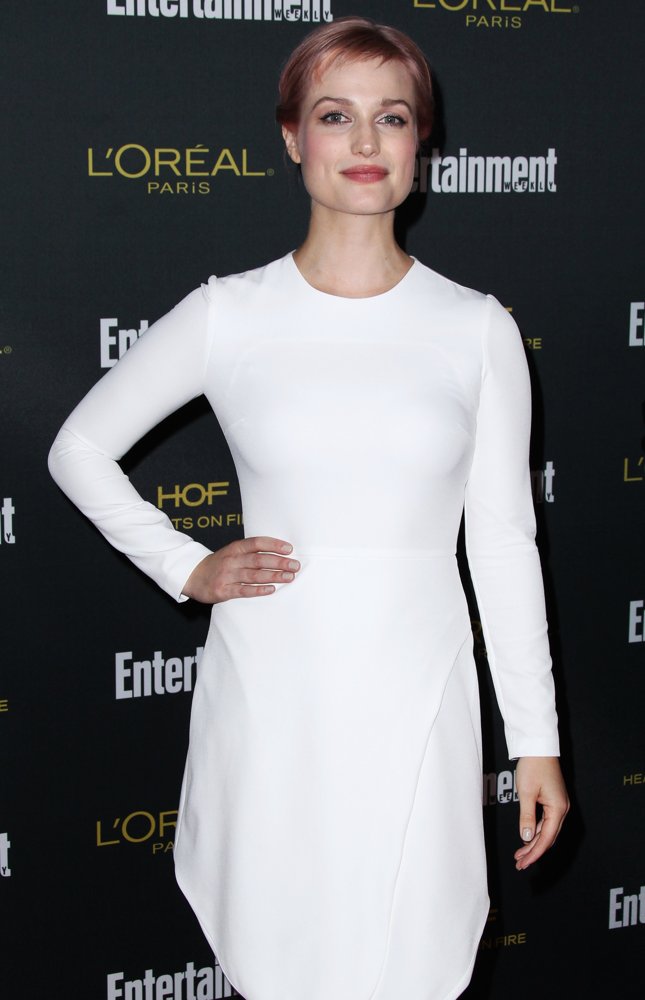
A Fine Frenzy
2014 Entertainment Weekly Pre-Emmy Party - Arrivals
Aug 23, 2014
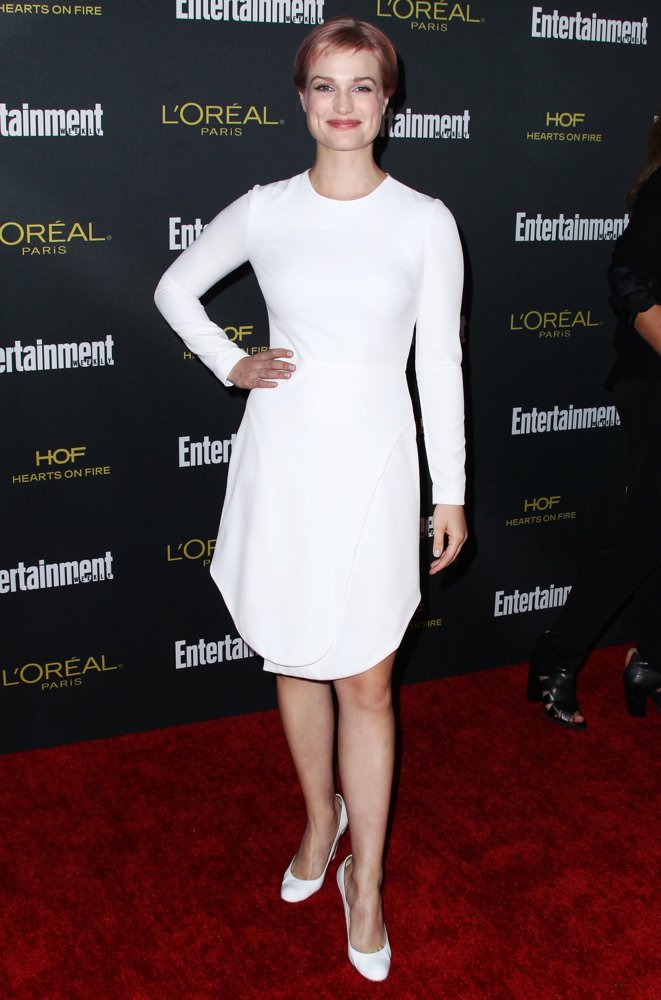
A Fine Frenzy
2014 Entertainment Weekly Pre-Emmy Party - Arrivals
Aug 23, 2014




⭐Featured Celebrities