Ronald Wilson Reagan, the 40th president of the United States, was a man who traversed the worlds of Hollywood glamour and Washington power with a unique ease, leaving an indelible mark on the American political landscape. Born on February 6, 1911, in the small town of Tampico, Illinois, Reagan’s journey from a sports broadcaster to a B-movie actor and ultimately to the leader of the free world is one of the most remarkable trajectories in American history. His presidency, which spanned from 1981 to 1989, defined an era of conservative resurgence, economic transformation, and a pivotal shift in the Cold War, solidifying his status as an enduring icon of American conservatism.
Reagan’s early life was marked by humble beginnings. After graduating from Eureka College in 1932, he found work as a radio sports broadcaster in Iowa, where his vivid play-by-play descriptions captivated audiences. This talent for communication led him to California in 1937, where he signed a contract with Warner Bros. and embarked on a successful acting career. Over the next two decades, he appeared in more than fifty films, including notable roles in Knute Rockne, All American and Kings Row, the latter earning him critical acclaim. While his film career never reached the top tier of stardom, his charisma and eloquence made him a natural leader, leading to his election as president of the Screen Actors Guild, a position he held from 1947 to 1952 and again from 1959 to 1960. His work in the union, particularly during the turbulent era of the Hollywood blacklist, honed his political instincts and brought him into contact with the ideological battles of the time. In the 1950s, he transitioned to television, hosting and appearing in the popular General Electric Theater, a role that also made him a traveling corporate spokesman for General Electric, where he developed his signature conservative political philosophy.
Reagan’s formal entry into politics was catalyzed by his famous "A Time for Choosing" speech in 1964, delivered in support of presidential candidate Barry Goldwater. The speech electrified the conservative movement and launched Reagan as its leading voice. In 1966, he was elected Governor of California, where he served two terms. His governorship was a mix of fiscal pragmatism and ideological conviction; he notably raised taxes to turn a budget deficit into a surplus and took a hard line against student protests at the University of California system. After a narrow loss to Gerald Ford in the 1976 Republican primaries, Reagan’s moment arrived in 1980. He secured the Republican nomination and went on to defeat incumbent President Jimmy Carter in a landslide, ushering in a new political era.
As president, Reagan immediately set about implementing his economic vision, known as "Reaganomics," which centered on tax cuts, deregulation, and reductions in domestic spending to combat the stagflation of the late 1970s. His first term was also defined by a dramatic escalation of the Cold War, as he increased military spending and shifted policy away from détente, famously labeling the Soviet Union an "evil empire." He survived an assassination attempt in 1981, a defining moment that showcased his resilience and charm, and ordered the 1983 invasion of Grenada. His administration also faced criticism for its slow response to the AIDS epidemic and its contentious fight with public-sector labor unions. In 1984, he was re-elected in a historic landslide victory over Walter Mondale, winning 49 of 50 states. His second term was dominated by foreign affairs, including the 1986 bombing of Libya and the controversial Iran-Contra affair, in which his administration secretly sold arms to Iran to fund Contra rebels in Nicaragua. However, his most consequential foreign policy achievement was his diplomatic engagement with Soviet leader Mikhail Gorbachev, which culminated in the signing of the Intermediate-Range Nuclear Forces Treaty in 1987, a crucial step toward ending the Cold War.
Reagan left office in 1989 with the American economy experiencing its longest peacetime expansion to that point, though the national debt had nearly tripled due to the combination of tax cuts and increased military spending. He is credited with restoring American confidence and reshaping the political landscape, leading a realignment toward conservative policies that would influence generations of politicians. In 1994, he revealed to the world that he had been diagnosed with Alzheimer's disease, and he retreated from public life as his health declined. He passed away on June 5, 2004, at the age of 93. His legacy remains a subject of intense debate, but his post-presidential approval ratings have remained remarkably high, and historical rankings consistently place him in the middle to upper tier of American presidents, cementing his place as a towering figure in both American politics and the broader cultural narrative of the 20th century.
⭐
Similar Celebrities


📷
Recent Photos

Katie Price
Katie Price Launches Only Fans Channel - Photocall
Jan 26, 2022
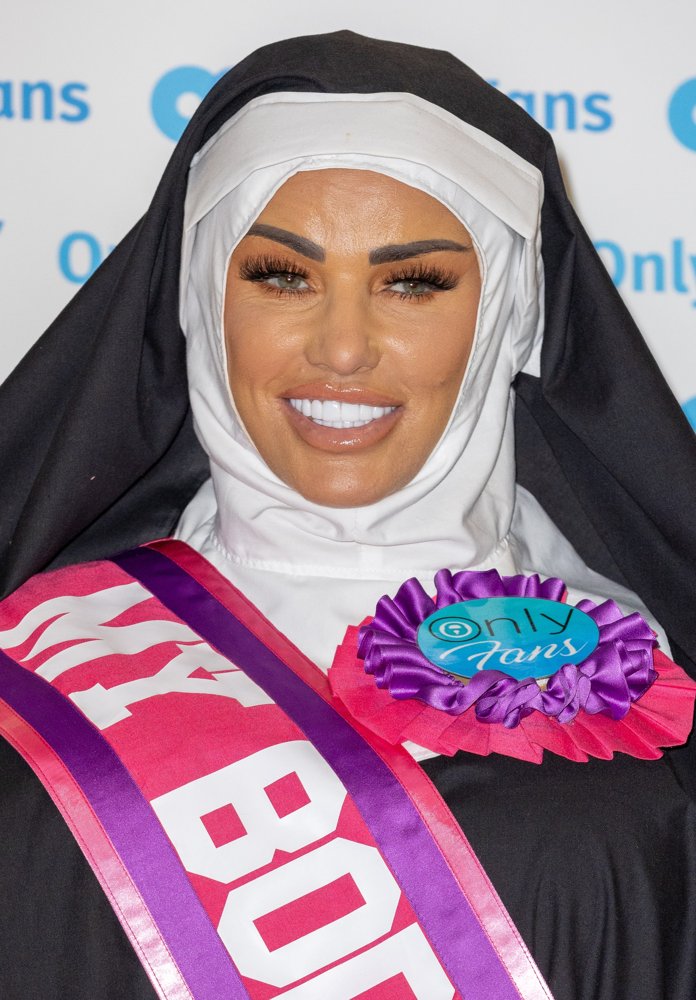
Katie Price
Katie Price Launches Only Fans Channel - Photocall
Jan 26, 2022

Jessie J
The Premiere of Cirque Du Soleil Luzia
Jan 13, 2022
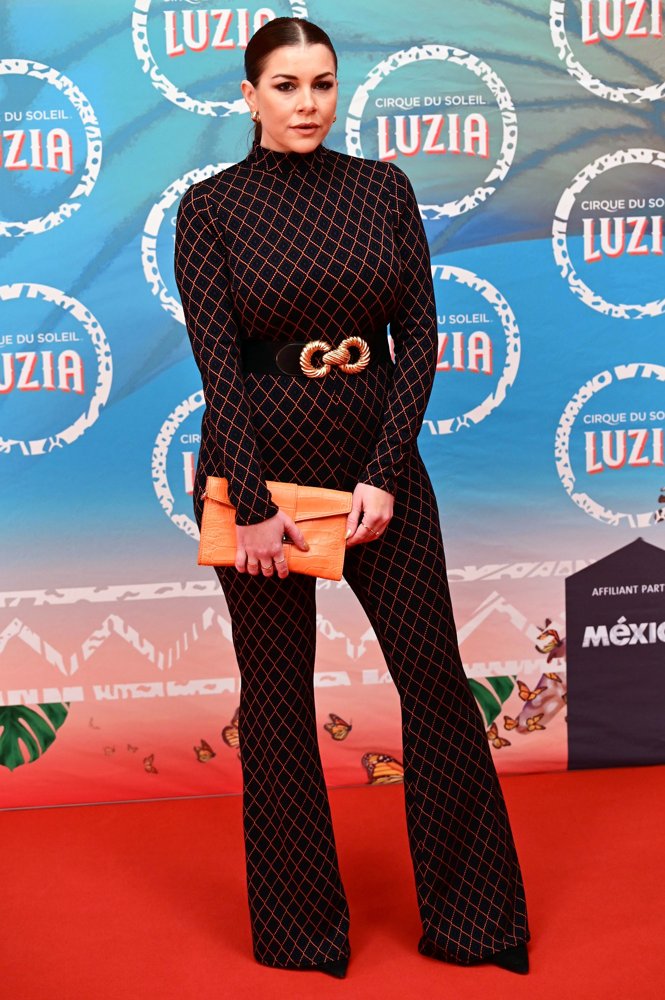
Imogen Thomas
The Premiere of Cirque Du Soleil Luzia
Jan 13, 2022

Hayley Palmer
The Premiere of Cirque Du Soleil Luzia
Jan 13, 2022

Phoenix Chi Gulzar
The Premiere of Cirque Du Soleil Luzia
Jan 13, 2022





⭐Featured Celebrities