Sir Peter Robert Jackson, born on 31 October 1961 in Wellington, New Zealand, is a visionary filmmaker, entrepreneur, and visual effects pioneer who has left an indelible mark on modern cinema. Best known for his monumental adaptations of J. R. R. Tolkien’s works, Jackson is the fourth-highest-grossing film director of all time, with his films amassing over $6.5 billion worldwide. His journey from low-budget horror comedies to epic fantasy blockbusters and acclaimed documentaries showcases a remarkable career defined by technical innovation, storytelling ambition, and a deep passion for filmmaking.
Jackson’s early career was marked by a distinctively irreverent and gory style, beginning with the splatstick horror comedy Bad Taste in 1987, which he wrote, directed, produced, and starred in on a shoestring budget. He followed this with the black comedy horror Meet the Feebles in 1989 and the zombie comedy Braindead in 1992, earning a cult following for his inventive, often shocking, and humorously grotesque approach. These early works showcased his talent for practical effects and chaotic storytelling, but it was the 1994 drama Heavenly Creatures that brought him international acclaim. Co-written with his longtime collaborator Fran Walsh, the film earned Jackson his first Academy Award nomination for Best Original Screenplay and marked a dramatic shift toward more serious, character-driven narratives. The film’s success opened doors to mainstream Hollywood, leading to the horror comedy The Frighteners in 1996, which further demonstrated his flair for blending genres.
Jackson’s career reached its zenith with the The Lord of the Rings trilogy, released between 2001 and 2003. Adapted from Tolkien’s novels, these films became cultural phenomena, revolutionizing fantasy cinema with their groundbreaking visual effects, epic scale, and emotional depth. The trilogy’s final installment, The Lord of the Rings: The Return of the King, won 11 Academy Awards, including Best Picture, Best Director, and Best Adapted Screenplay for Jackson. He also earned three BAFTAs, a Golden Globe, and four Saturn Awards for his work on the series. Jackson continued his partnership with Tolkien’s world by directing the The Hobbit trilogy from 2012 to 2014, which, while more divisive among critics, was a massive commercial success and further cemented his reputation as a master of large-scale fantasy filmmaking. Beyond Middle-earth, Jackson directed the epic monster remake King Kong in 2005, a lavish and technically ambitious film that showcased his love for classic cinema and visual spectacle.
In addition to his narrative features, Jackson has made significant contributions to documentary filmmaking. His World War I documentary They Shall Not Grow Old in 2018 used cutting-edge restoration and colorization techniques to bring archival footage to life, earning widespread praise for its immersive and respectful portrayal of soldiers’ experiences. He followed this with The Beatles: Get Back in 2021, a meticulously crafted documentary series that offered an intimate look at the band’s creative process. Jackson’s entrepreneurial spirit is equally notable; he founded WingNut Films in 1987 and co-founded W?t? Workshop and W?t? Digital in 1993, both based in Wellington, New Zealand. These companies became global leaders in special effects and digital visual effects, transforming the film industry and solidifying New Zealand’s role as a hub for cinematic innovation.
Jackson’s contributions have been recognized with numerous honors. In 2002, he was appointed a Companion of the New Zealand Order of Merit, and in April 2010, he was knighted as a Knight Companion of the order by the Governor-General of New Zealand, Sir Anand Satyanand. He received a star on the Hollywood Walk of Fame in December 2014, and in May 2026, he was awarded the Honorary Palme d’Or at the 79th Cannes Film Festival for his lifetime contributions to cinema. One of the wealthiest individuals in New Zealand, with an estimated net worth of $1.9 billion, Jackson continues to influence the film industry through his production companies and occasional projects. His legacy as a filmmaker who blended technical wizardry with heartfelt storytelling ensures his place among the most celebrated directors in cinematic history.
⭐
Similar Celebrities

📷
Recent Photos

Chrissy Metz
Audi Celebrates The 68th Emmys - Arrivals
Sep 15, 2016
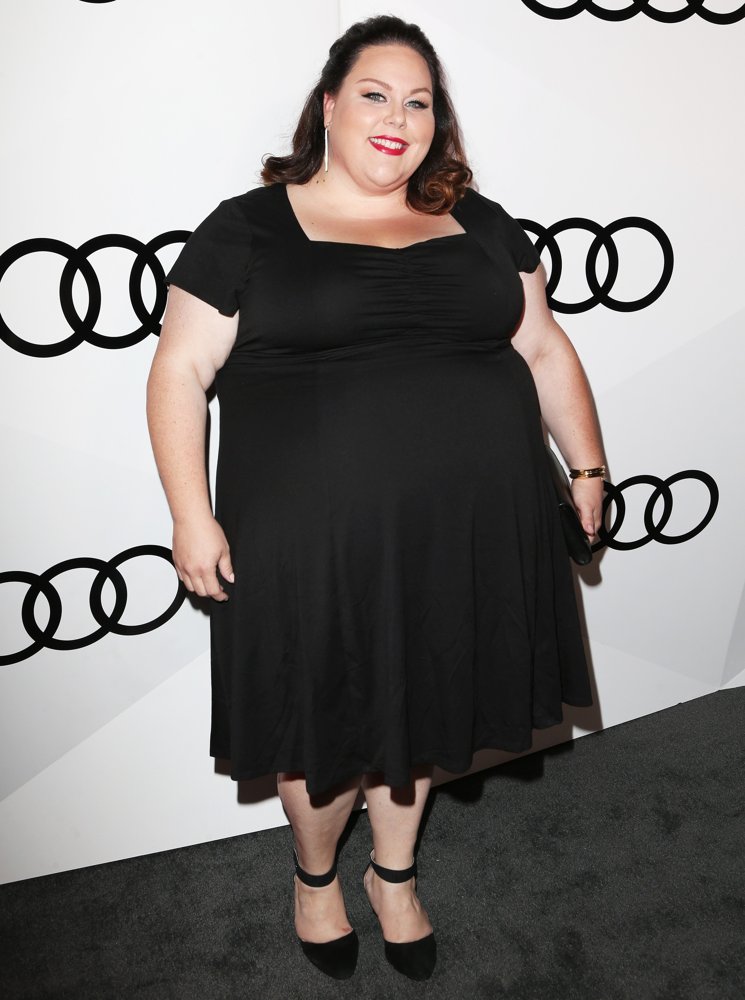
Chrissy Metz
Audi Celebrates The 68th Emmys - Arrivals
Sep 15, 2016

Giuliana Rancic
Giuliana Rancic Hosts Chicago Macy's Fashion Front Row
Sep 15, 2016

Giuliana Rancic
Giuliana Rancic Hosts Chicago Macy's Fashion Front Row
Sep 15, 2016

Michael C. Hall
Hyundai Mercury Prize 2016
Sep 15, 2016

Joy Behar
World Premiere of Crisis in Six Scenes
Sep 15, 2016





⭐Featured Celebrities