Mike Pence, a figure who carved a singular path through American politics, is best known for his tenure as the 48th vice president of the United States, a role that placed him at the center of one of the most consequential constitutional crises in modern history. Born Michael Richard Pence on June 7, 1959, in Columbus, Indiana, he grew up in a large, Catholic, Democratic-leaning family, though his political allegiances would shift dramatically during his college years. After graduating from Hanover College and earning his law degree from the Indiana University Robert H. McKinney School of Law, Pence initially pursued a legal career before turning to politics. His early forays were marked by defeat, losing two bids for Congress in 1988 and 1990, after which he reinvented himself as a conservative radio and television talk show host from 1994 to 1999, a platform that honed his communication skills and solidified his standing within the grassroots right.
Pence's persistence paid off in 2000 when he was elected to the U.S. House of Representatives, representing Indiana's 2nd and later 6th districts. Over twelve years in Congress, he became a prominent voice for fiscal conservatism and social traditionalism, chairing the Republican Study Committee from 2005 to 2007 and the House Republican Conference from 2009 to 2011. His legislative record and ability to bridge the gap between establishment and Tea Party factions made him a rising star, and in 2012 he successfully transitioned to the governor's mansion in Indiana. As governor, Pence championed the state's largest tax cut, expanded funding for private education initiatives, and signed a series of anti-abortion bills. However, his governorship was most notably defined by the Religious Freedom Restoration Act of 2015, which sparked a national firestorm. Critics, including business leaders and LGBT advocates, argued the law would permit discrimination, and Pence, facing intense backlash from moderate members of his own party, ultimately signed amendments to explicitly ban discrimination based on sexual orientation and gender identity, a move that sought to quell the controversy while preserving the bill's core intent.
The trajectory of Pence's career changed irrevocably in 2016 when Republican presidential nominee Donald Trump selected him as his running mate. Their ticket triumphed in the general election, and Pence was sworn in as vice president in January 2017. In this role, he chaired the National Space Council and the White House Coronavirus Task Force, becoming the public face of the administration's pandemic response. Yet his most defining moment came on January 6, 2021, when he presided over the certification of the Electoral College vote count. Facing immense pressure from Trump and his allies to block or delay the certification of Joe Biden and Kamala Harris's victory, Pence declined, citing constitutional limits on his authority. As a mob of Trump supporters stormed the U.S. Capitol in an attempt to disrupt the process, Pence remained in the building and, after order was restored, completed the certification, an act of institutional fidelity that would define his legacy and permanently fracture his relationship with Trump.
Following his vice presidency, Pence deliberately distanced himself from his former running mate, endorsing primary candidates who opposed Trump-backed contenders and publicly criticizing Trump's conduct after the 2020 election. In June 2023, he launched his own campaign for the Republican presidential nomination in 2024, positioning himself as a traditional conservative alternative, but he withdrew later that year, notably declining to endorse Trump in the general election. His principled stand was formally recognized on May 4, 2025, when he received the Profile in Courage Award for his actions during the certification. Today, Pence remains a polarizing yet historically significant figure, a man whose political career was ultimately defined by a single, courageous decision that placed the preservation of democratic institutions above partisan loyalty.
⭐
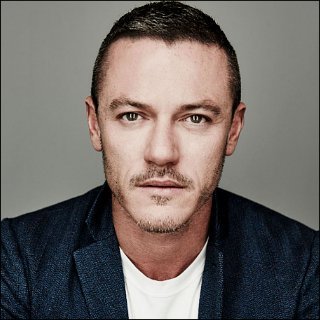
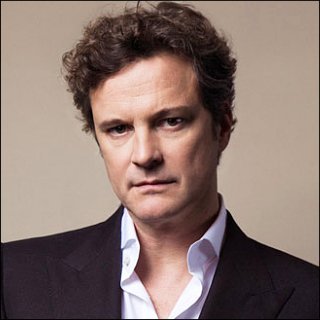
Similar Celebrities

📷
Recent Photos
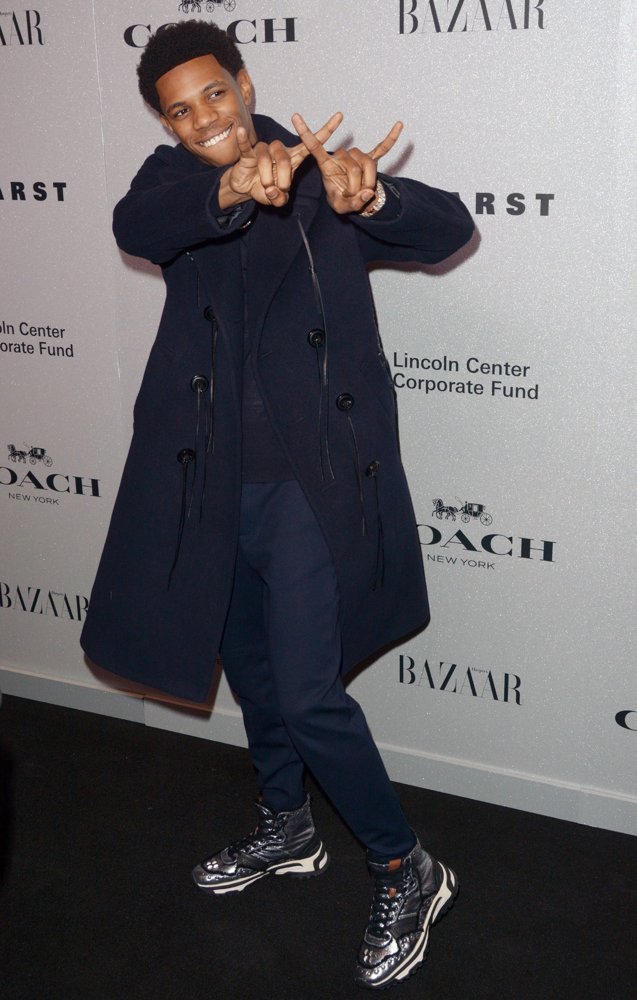
A Boogie Wit Da Hoodie
Lincoln Center Fashion Gala - An Evening Honoring Coach
Nov 29, 2018
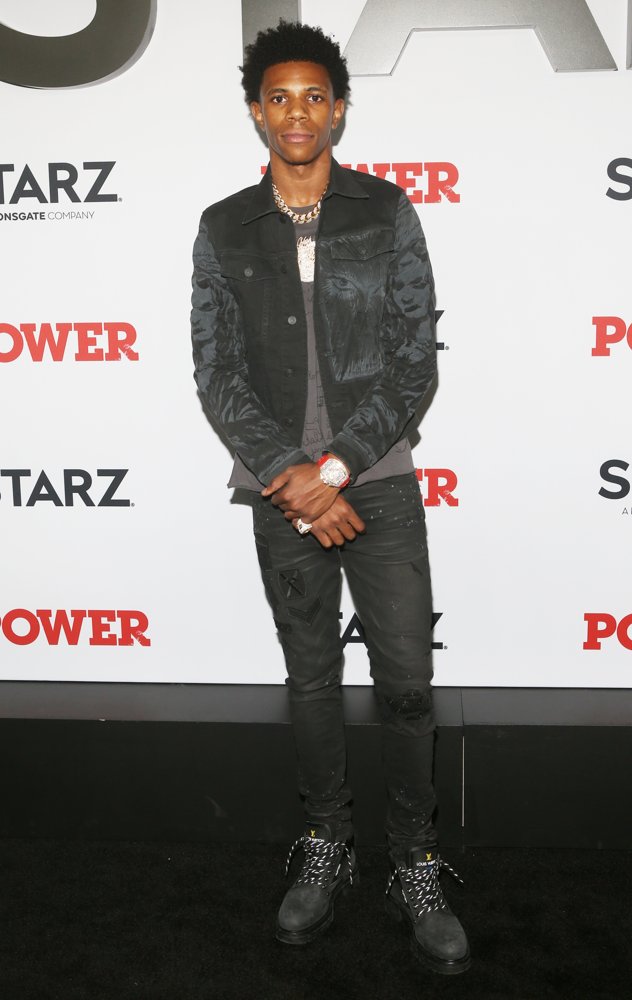
A Boogie Wit Da Hoodie
STARZ Red Carpet Event for Power Final Season World Premiere
Aug 20, 2019
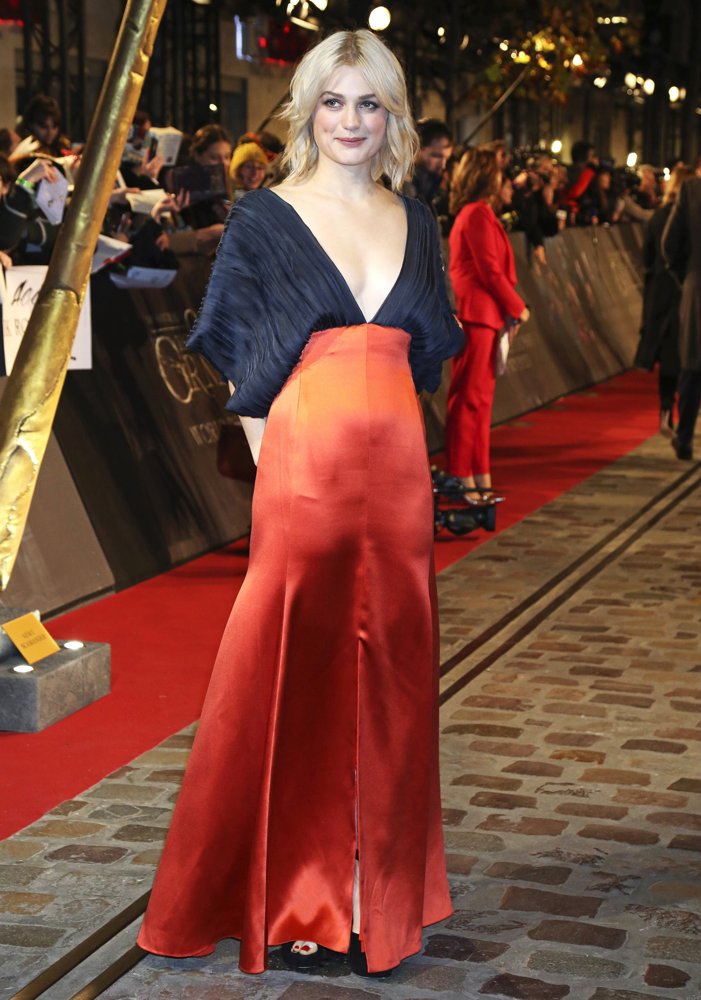
A Fine Frenzy
World Premiere of Fantastic Beasts: The Crimes of Grindelwald - Arrivals
Nov 8, 2018

A Fine Frenzy
The UK Premiere of Fantastic Beasts: The Crimes of Grindelwald - Arrivals
Nov 13, 2018
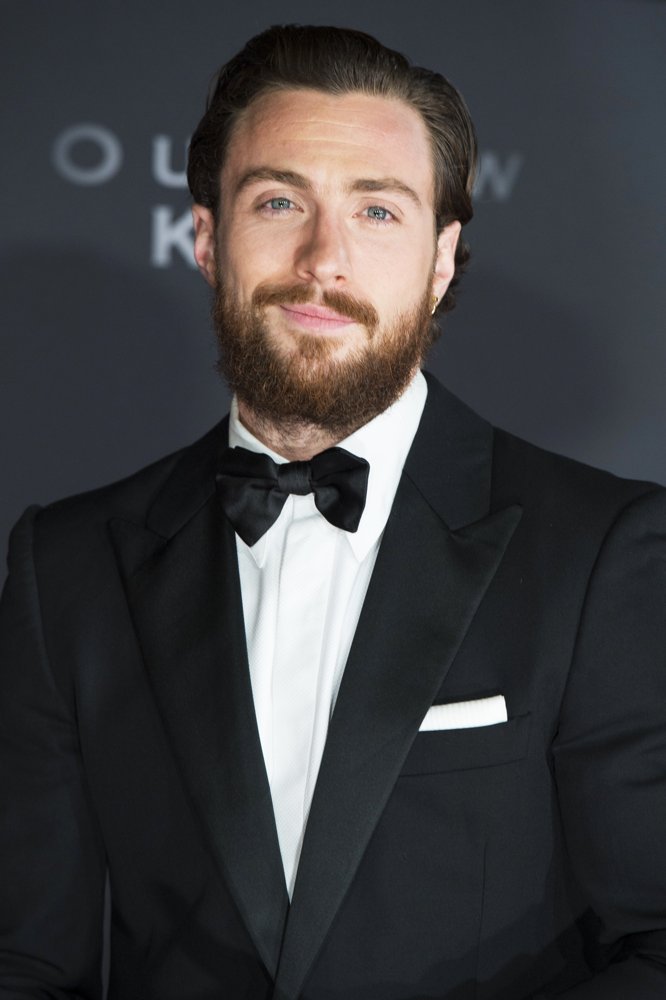
Aaron Johnson
Scottish Outlaw King Premiere
Oct 19, 2018
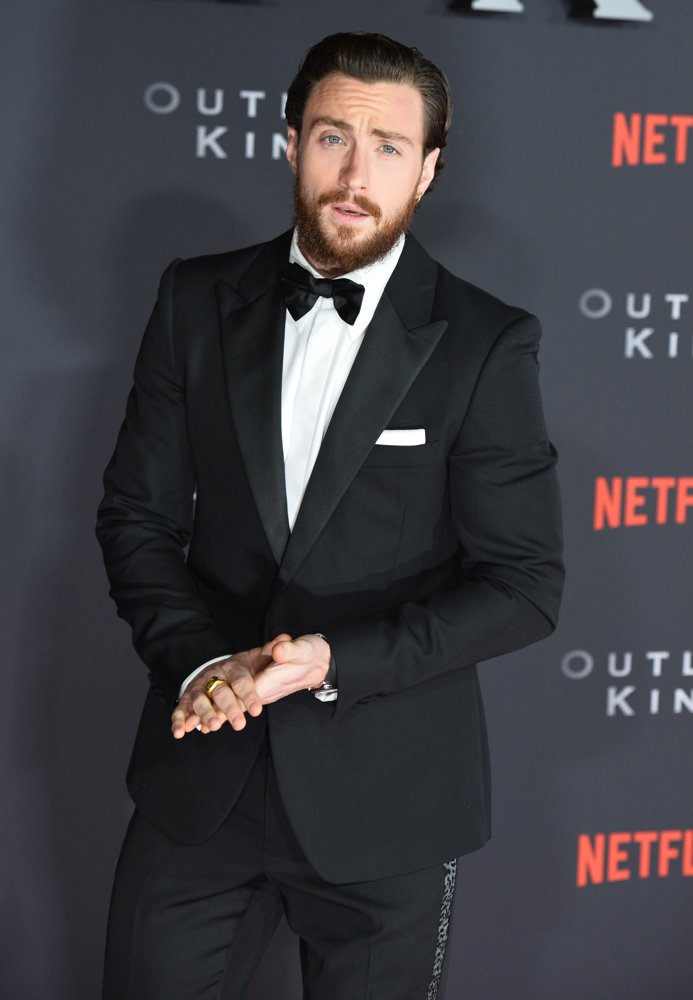
Aaron Johnson
Scottish Outlaw King Premiere
Oct 19, 2018




⭐Featured Celebrities