Martin Henry Bashir, born on January 19, 1963, is a British former journalist whose career has been defined by both groundbreaking interviews and profound controversy. Rising to prominence as a presenter for the BBC, he became a globally recognized figure for his 1995 Panorama interview with Diana, Princess of Wales, an encounter that initially earned widespread acclaim but was later revealed to have been secured through forgery and deception. That revelation would ultimately cast a long shadow over his professional life, leading to his resignation from the BBC in May 2021.
Bashir began his career at the BBC in 1986, working on a variety of programmes before establishing himself as a formidable interviewer on Panorama. His interview with Diana, Princess of Wales was a television event of extraordinary magnitude, watched by millions, in which she made her famous declaration that "there were three of us in this marriage." However, a subsequent independent inquiry led by Lord Dyson concluded that Bashir had commissioned fake bank statements to deceive Diana's brother, Charles Spencer, 9th Earl Spencer, in order to gain access to the princess. The inquiry found that he had "acted inappropriately and in serious breach of the 1993 edition of the Producers' Guidelines on straight dealing," prompting BBC Director-General Tim Davie to apologize to Earl Spencer in 2020.
After leaving the BBC in 1999, Bashir moved to ITV, where he presented a 2003 documentary about Michael Jackson, titled Living with Michael Jackson. The film, which featured the singer discussing his relationships with children, sparked a global media frenzy and led to a subsequent legal battle between Jackson and Bashir over the portrayal of the singer in the program. From 2004 onward, Bashir relocated to New York, where he worked as an anchor for ABC's Nightline and later as a political commentator and host for MSNBC. His tenure at MSNBC ended in December 2013 when he resigned after making "ill-judged" comments about former Alaska governor and vice presidential candidate Sarah Palin, which were widely condemned as offensive and inappropriate.
In 2016, Bashir returned to the BBC as a religious affairs correspondent, a role that allowed him to explore faith-related stories. However, the legacy of the Diana interview continued to follow him. The 2020 apology from the BBC and the findings of the Dyson inquiry in 2021 reignited public scrutiny, and Bashir subsequently resigned from the corporation, citing health reasons. Throughout his career, Bashir demonstrated a remarkable ability to secure high-profile interviews, yet his methods have frequently overshadowed his journalistic achievements. His story serves as a complex case study in the ethics of media, the power of celebrity, and the consequences of misleading practices in the pursuit of a story.
⭐
Similar Celebrities

📷
Recent Photos
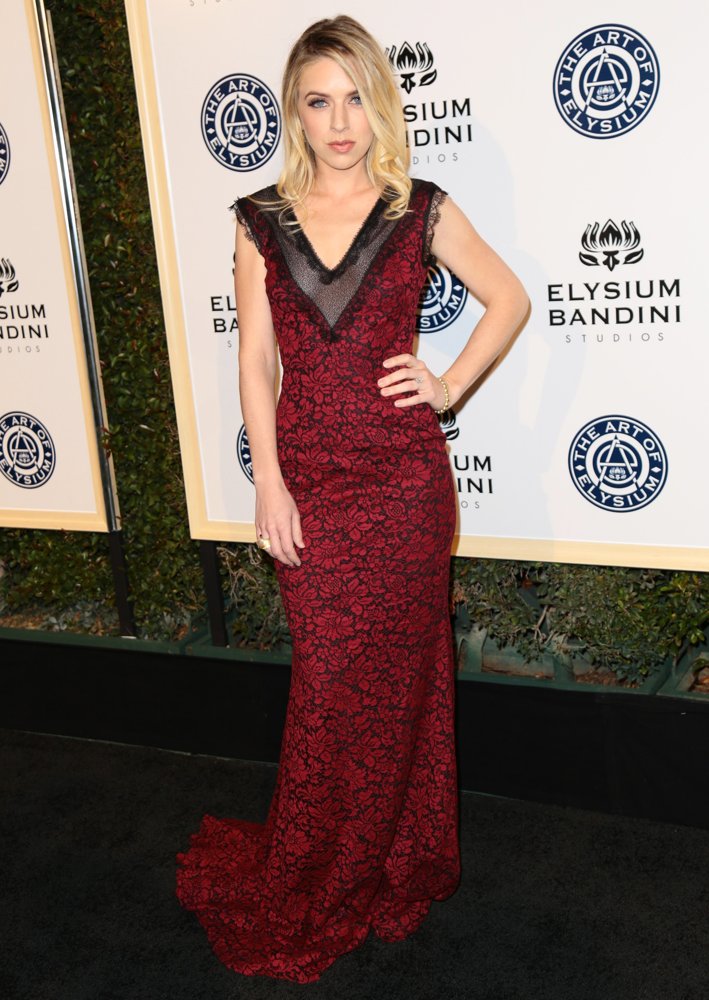
ZZ Ward
The Art of Elysium Presents Stevie Wonder's HEAVEN - Celebrating The 10th Anniversary
Jan 7, 2017

ZZ Ward
56th GRAMMY Awards - P and E Wing Event Honoring Neil Young
Jan 21, 2014
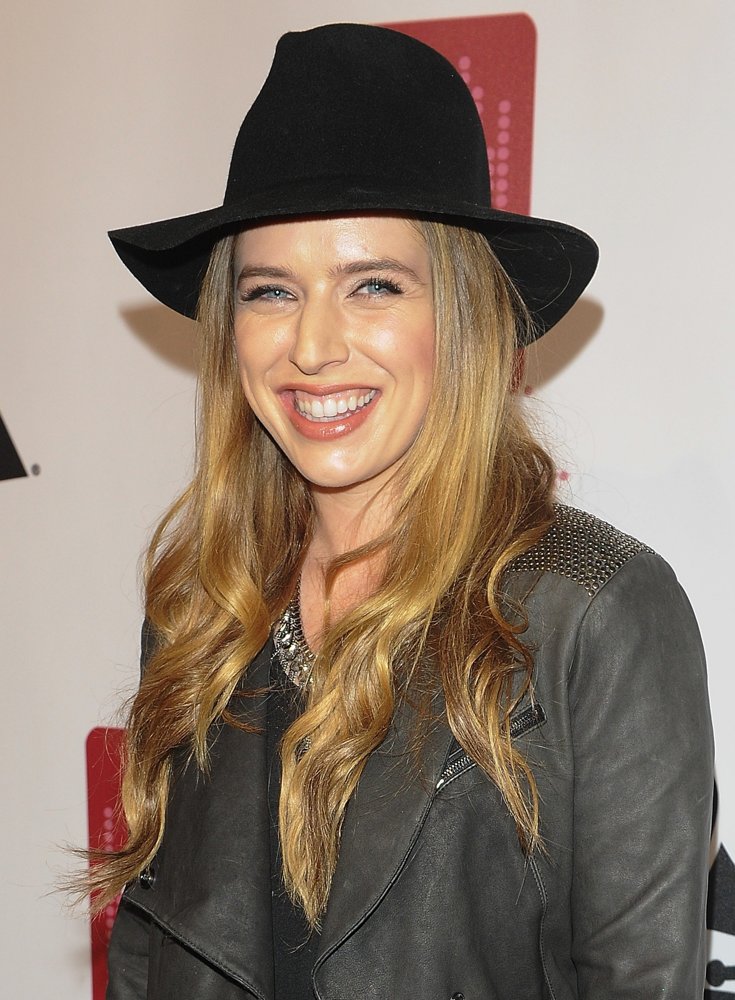
ZZ Ward
56th GRAMMY Awards - P and E Wing Event Honoring Neil Young
Jan 21, 2014

ZZ Ward
56th GRAMMY Awards - P and E Wing Event Honoring Neil Young
Jan 21, 2014

ZZ Ward
2014 ESPYS Awards - Arrivals
Jul 16, 2014

ZZ Ward
2014 ESPYS Awards - Arrivals
Jul 16, 2014




⭐Featured Celebrities