Leonard Norman Cohen was a Canadian songwriter, singer, poet, and novelist, renowned for his profound lyrics and distinctive voice. Born on September 21, 1934, in Montreal, Quebec, he became a cultural icon whose work left an indelible mark on the music and literary landscapes. Cohen's exploration of complex themes such as faith, mortality, love, and social conflict resonated deeply with audiences, establishing him as a pivotal figure in the folk music genre.
Cohen's artistic journey began in the 1950s when he pursued a career as a poet and novelist. He published his first book of poetry, "Let Us Compare Mythologies," in 1956, followed by several others that showcased his literary prowess. However, it was not until 1966 that he ventured into music, inspired by his love for folk traditions. His debut album, Songs of Leonard Cohen, released in 1967, captivated listeners with its haunting melodies and introspective lyrics, marking the beginning of his musical legacy. The album included classics like "Suzanne" and "So Long, Marianne," which quickly became staples in his repertoire.
Throughout the late 1960s and 1970s, Cohen continued to release impactful albums, including Songs from a Room (1969), Songs of Love and Hate (1971), and New Skin for the Old Ceremony (1974). His 1977 album, Death of a Ladies' Man, co-written and produced by Phil Spector, marked a departure from his minimalist style, showcasing a more layered and produced sound. In 1979, he returned to a more acoustic approach with Recent Songs, which incorporated jazz and world music influences.
Cohen's most iconic work, "Hallelujah," was featured on his 1984 album, Various Positions. Though it initially garnered modest attention, the song later gained immense popularity through various covers by artists such as Jeff Buckley and Rufus Wainwright, solidifying Cohen's status as a songwriting genius. The following years saw him embrace synthesized sounds with albums like I'm Your Man (1988) and The Future (1992), which reflected the political and social turbulence of the time.
After a period of relative silence in the late 1990s, Cohen made a remarkable comeback in 2001 with Ten New Songs, which resonated strongly in Canada and Europe. His subsequent albums, including Dear Heather (2004), marked a return to form, showcasing his signature blend of poetic lyrics and melodic sophistication. In 2005, Cohen faced a significant setback when he discovered that his former manager had embezzled his funds, prompting him to embark on a successful series of tours from 2008 to 2013 to recover his financial losses.
Cohen's final years were marked by creative vitality. He released three critically acclaimed albums: Old Ideas (2012), Popular Problems (2014), and You Want It Darker (2016), the latter arriving just three weeks before his death on November 10, 2016. His contributions to music and literature earned him numerous accolades, including inductions into the Canadian Music Hall of Fame, the Canadian Songwriters Hall of Fame, and the Rock and Roll Hall of Fame. He was also recognized as a Companion of the Order of Canada and received prestigious awards such as the Prince of Asturias Award for literature.
Leonard Cohen's legacy endures through his timeless songs and poignant poetry, influencing countless artists and captivating listeners around the world. His introspective exploration of the human condition continues to resonate, ensuring that his voice remains a vital part of the cultural discourse. In 2023, Rolling Stone named him the 103rd-greatest singer, a testament to his enduring impact and artistry.
⭐
Similar Celebrities


📷
Recent Photos

Abigail Breslin
2021 Environmental Media Association Awards
Oct 16, 2021

Adam Driver
House of Gucci UK Premiere - Arrivals
Nov 9, 2021
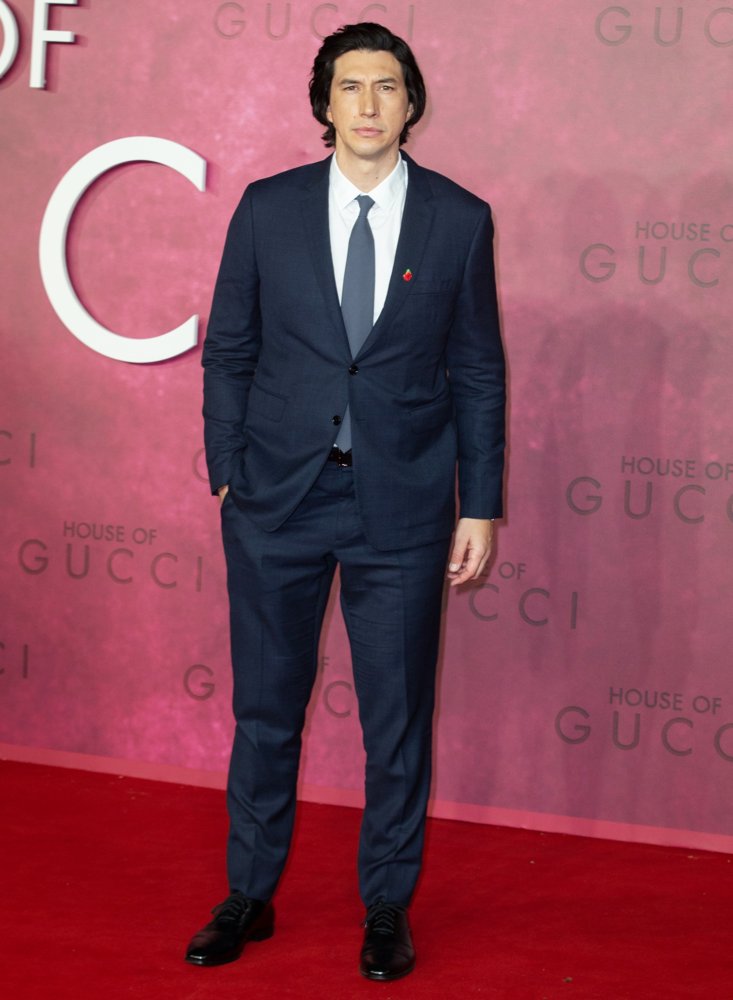
Adam Driver
House of Gucci UK Premiere - Arrivals
Nov 9, 2021
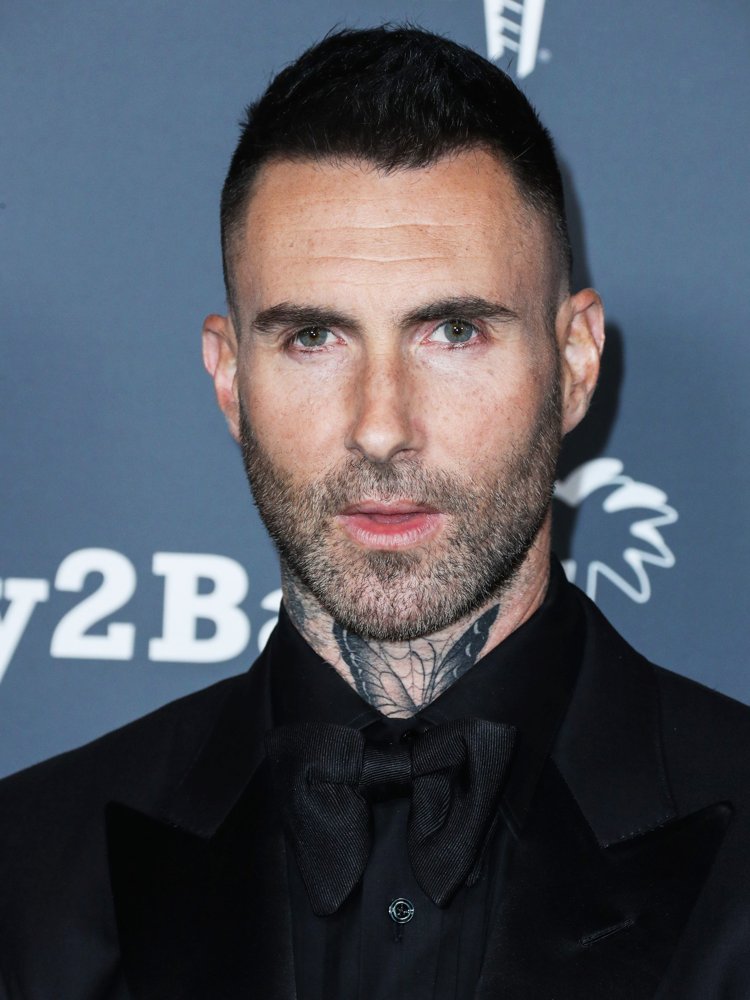
Adam Levine
Baby2Baby 10-Year Gala 2021
Nov 13, 2021
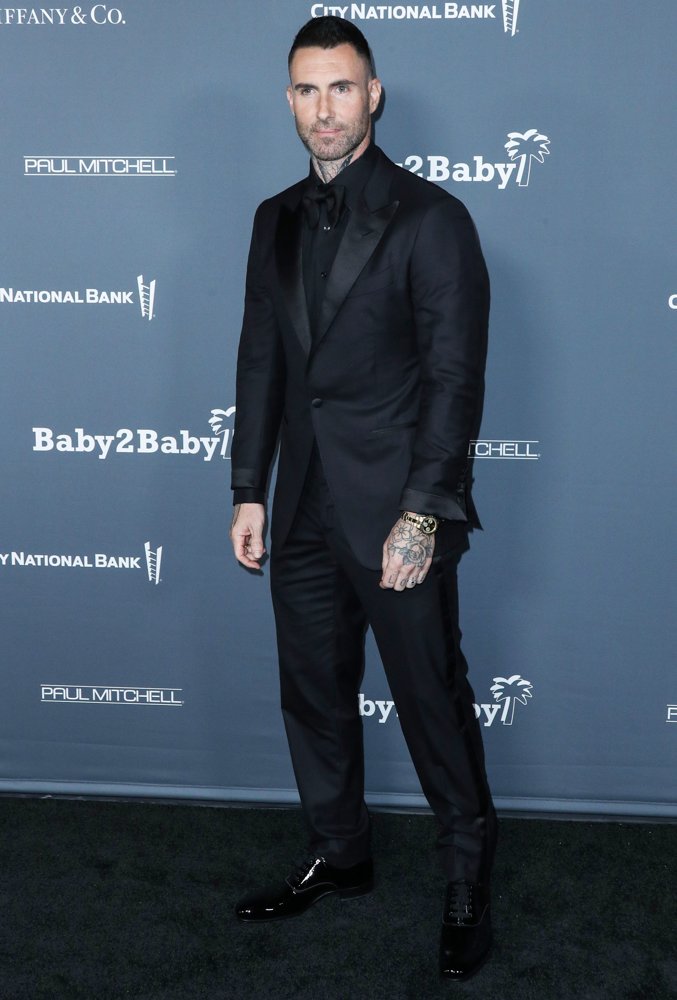
Adam Levine
Baby2Baby 10-Year Gala 2021
Nov 13, 2021

Addison Rae
The Fashion Awards 2021
Nov 29, 2021





⭐Featured Celebrities