Lennox Claudius Lewis, born on 2 September 1965, stands as one of the most formidable and accomplished heavyweight champions in the history of professional boxing. A three-time world champion and two-time lineal champion who held the undisputed championship, Lewis is universally regarded among the greatest heavyweights of all time, with a career that bridged the eras of Mike Tyson, Evander Holyfield, and a new generation of giants. His journey to the pinnacle of the sport began in amateur competition, where he represented Canada at the 1984 and 1988 Olympic Games, culminating in a super-heavyweight gold medal at the 1988 Seoul Olympics. Holding dual British and Canadian citizenship, Lewis’s unique transatlantic identity would later define his professional career, which saw him celebrated on both sides of the Atlantic.
Lewis turned professional in 1989, and his rise through the heavyweight ranks was swift and dominant. Within his first three years, he captured the European, British, and Commonwealth titles, establishing himself as a force to be reckoned with. After compiling a perfect 21-0 record, he secured his place as the number one contender in the World Boxing Council (WBC) rankings by defeating Donovan Ruddock in 1992. Later that year, Lewis was declared the WBC heavyweight champion when Riddick Bowe infamously refused to defend the title against him, choosing instead to discard the belt. Lewis defended the championship three times before suffering a shocking knockout loss to Oliver McCall in 1994, a defeat that would only fuel his determination. He avenged that loss in emphatic fashion in 1997, regaining the vacant WBC title and beginning a second reign that would cement his legacy.
The defining chapter of Lewis’s career unfolded in 1999 when he faced Evander Holyfield in a highly anticipated unification bout. Their first fight ended in a controversial draw, a decision widely criticized by fans and pundits alike, but Lewis silenced all doubters in the rematch by winning a unanimous decision to unify the WBC, World Boxing Association (WBA), and International Boxing Federation (IBF) titles, becoming the undisputed heavyweight champion. His reign was not without complications, as the WBA stripped him of their title in 2000 for choosing to face Michael Grant instead of mandatory challenger John Ruiz, and the IBF followed suit in 2002 when he declined to fight Chris Byrd. A stunning knockout loss to Hasim Rahman in 2001 threatened to derail his career, yet Lewis demonstrated his resilience by avenging the defeat later that year, reclaiming the WBC and IBF belts.
In 2002, Lewis participated in one of the most anticipated fights in boxing history, defeating Mike Tyson in a bout that transcended the sport and drew global attention. Prior to the event, he was awarded the Ring magazine heavyweight title, which had been dormant since the late 1980s. Lewis’s final professional fight came in 2003, a dramatic stoppage victory over Vitali Klitschko that showcased his enduring skill and heart. He vacated his remaining titles and officially retired from boxing in February 2004, concluding a career that saw him defeat nearly every notable heavyweight of his generation. Since retiring, Lewis has remained active in the sport as a boxing commentator and analyst, sharing his expertise and insights with a new generation of fans. His legacy as a disciplined, intelligent, and powerful champion endures, and he is celebrated not only for his achievements in the ring but also for his contributions to the sport long after his final bell.
⭐
Similar Celebrities

📷
Recent Photos
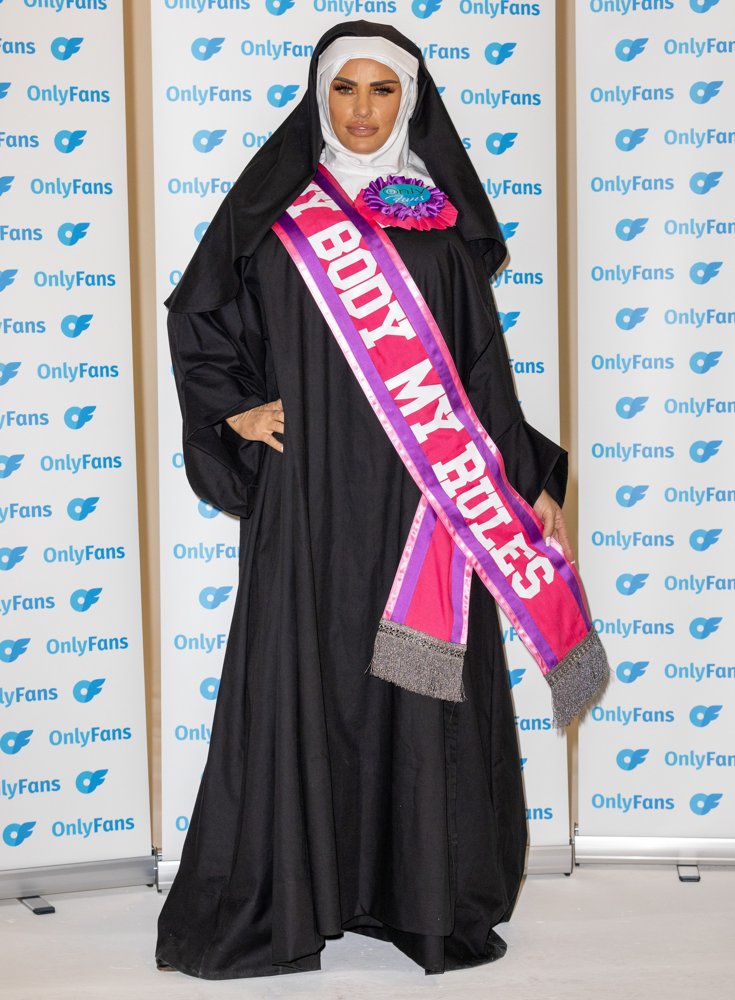
Katie Price
Katie Price Launches Only Fans Channel - Photocall
Jan 26, 2022
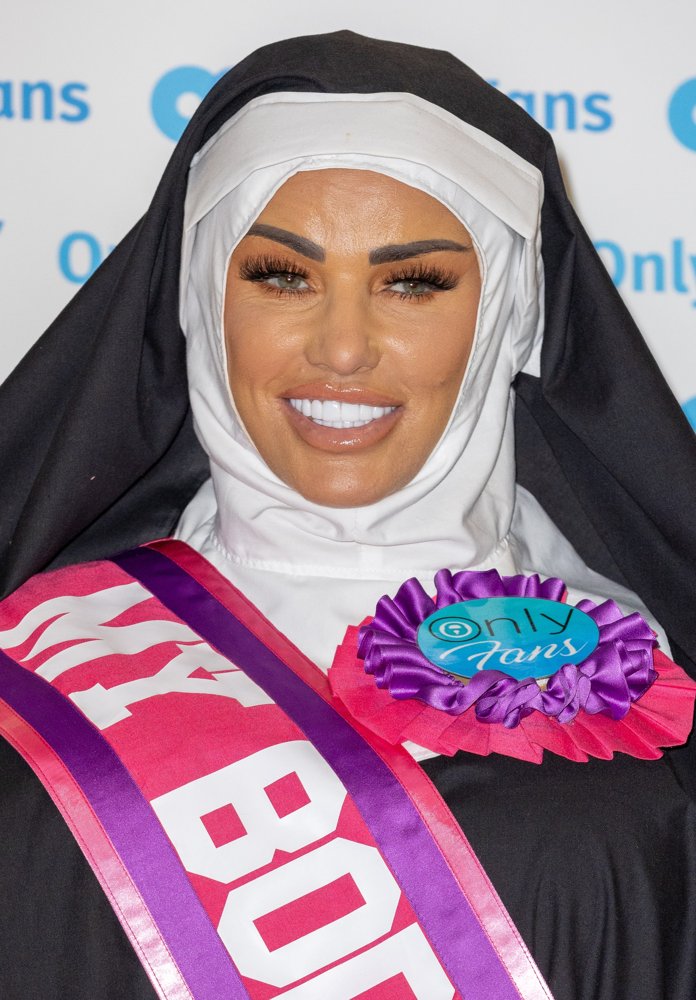
Katie Price
Katie Price Launches Only Fans Channel - Photocall
Jan 26, 2022
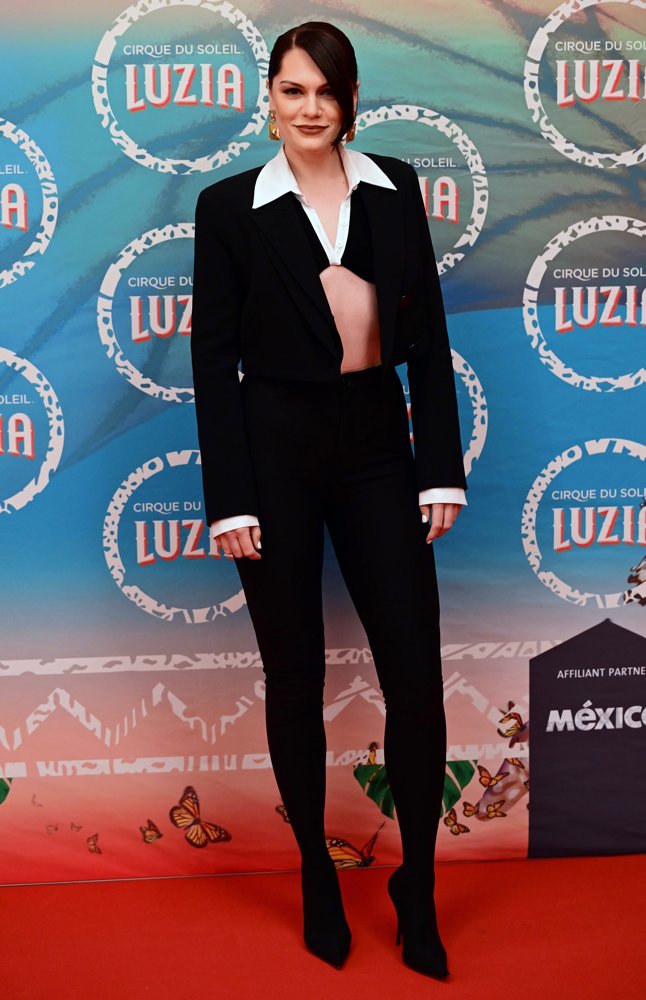
Jessie J
The Premiere of Cirque Du Soleil Luzia
Jan 13, 2022
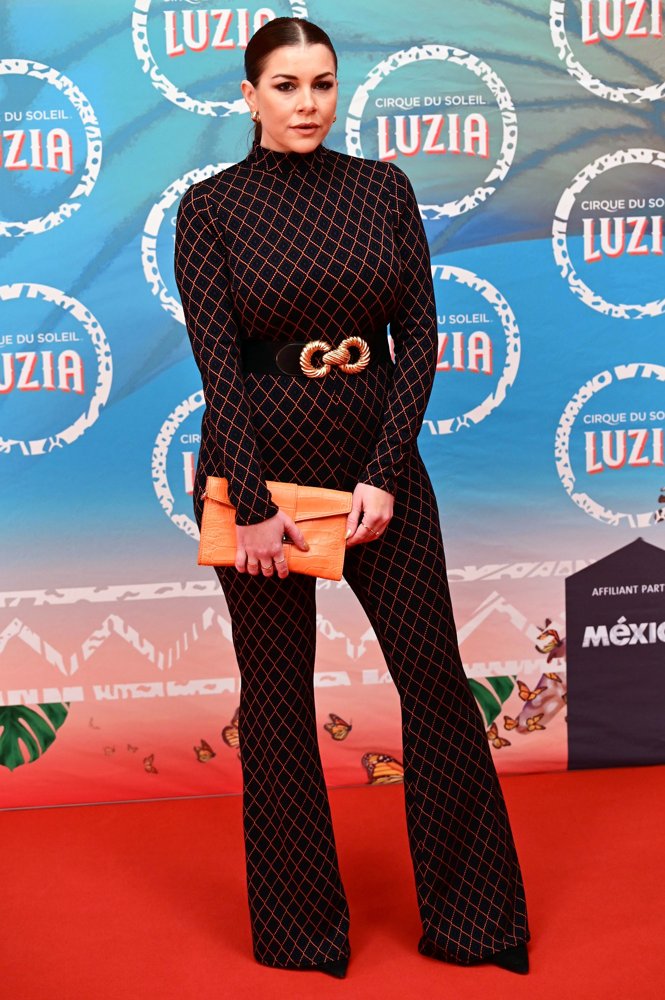
Imogen Thomas
The Premiere of Cirque Du Soleil Luzia
Jan 13, 2022
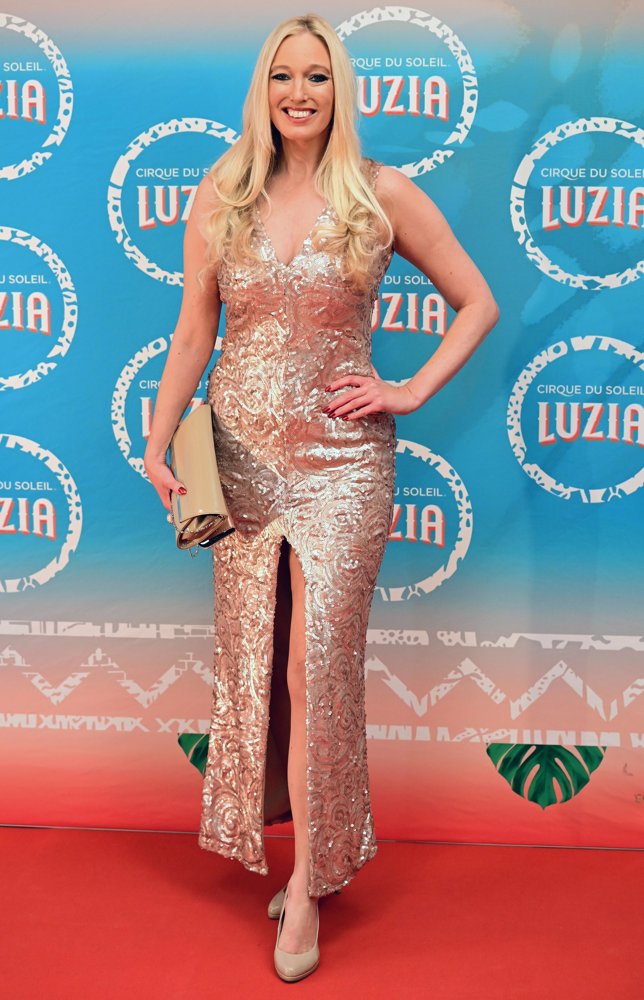
Hayley Palmer
The Premiere of Cirque Du Soleil Luzia
Jan 13, 2022

Phoenix Chi Gulzar
The Premiere of Cirque Du Soleil Luzia
Jan 13, 2022


⭐Featured Celebrities