John Richard Hersey, born on June 17, 1914, in Tientsin, China, to American missionary parents, emerged as one of the most consequential American writers and journalists of the twentieth century. His unique position in literary history rests on his pioneering role in the development of New Journalism, a style that married the narrative depth and emotional resonance of fiction with the rigorous demands of factual reporting. Hersey’s most enduring contribution to the field came with his 1946 work, Hiroshima, an account so powerful that in 1999 a panel of journalism scholars at New York University’s journalism department, comprising 36 members, adjudged it the finest piece of American journalism of the entire century.
Hersey’s early life was shaped by a peripatetic existence, moving between China and the United States before his family settled in New York. He attended Yale University, where he was a member of the secretive Skull and Bones society, and later studied at Clare College, Cambridge, before embarking on a career in journalism. His professional trajectory began to take shape in the late 1930s when he worked as a secretary to the celebrated author Sinclair Lewis, an experience that honed his understanding of narrative craft. He subsequently joined Time magazine as a war correspondent, covering the major theaters of World War II, including the European and Pacific fronts. His dispatches from the conflict were marked by a visceral immediacy, and his reporting on the war in the Pacific, particularly the struggle for Guadalcanal, established his reputation as a fearless and deeply humane chronicler of human suffering.
The publication of Hiroshima in 1946, initially as a single issue of The New Yorker that was later expanded into a book, fundamentally altered the landscape of American journalism. Hersey chose to tell the story of the atomic bombing through the intimate, interwoven experiences of six survivors, employing a novelistic structure that allowed readers to grasp the scale of the catastrophe through individual human lives. This approach, which foregrounded the subjective experience of history, became a touchstone for the New Journalism movement, influencing a generation of writers such as Tom Wolfe and Truman Capote. Beyond Hiroshima, Hersey produced a remarkably diverse body of work that included novels such as A Bell for Adano, which won the Pulitzer Prize for Fiction in 1945, as well as The Wall, a fictionalized account of the Warsaw Ghetto uprising, and The Child Buyer, a satirical novel that explored the commercialization of American education. His later works, including the non-fiction study The Algiers Motel Incident, which investigated racial violence during the Detroit riots of 1967, continued to demonstrate his unwavering commitment to social justice and his belief in the power of narrative to illuminate the darkest corners of the American experience.
Throughout his career, Hersey was not merely a writer but a moral force, using his considerable talents to bear witness to the great tragedies and injustices of his era. He served as a chancellor of the American Academy of Arts and Letters and taught at Yale, where he mentored countless young writers, including the novelist John Irving. His legacy is one of profound integrity; he refused to separate the art of storytelling from the ethical responsibilities of the journalist. John Hersey passed away on March 24, 1993, in Key West, Florida, but his work continues to be studied and revered as a benchmark for literary journalism, a testament to the idea that the most powerful reporting is that which treats its subjects with the full dignity of complex character and narrative depth. His influence persists in every work of narrative non-fiction that seeks to make sense of tragedy through the lens of the human story.
⭐
Similar Celebrities


📷
Recent Photos

Abigail Hargrove
New York Premiere of World War Z - Arrivals
Jun 17, 2013
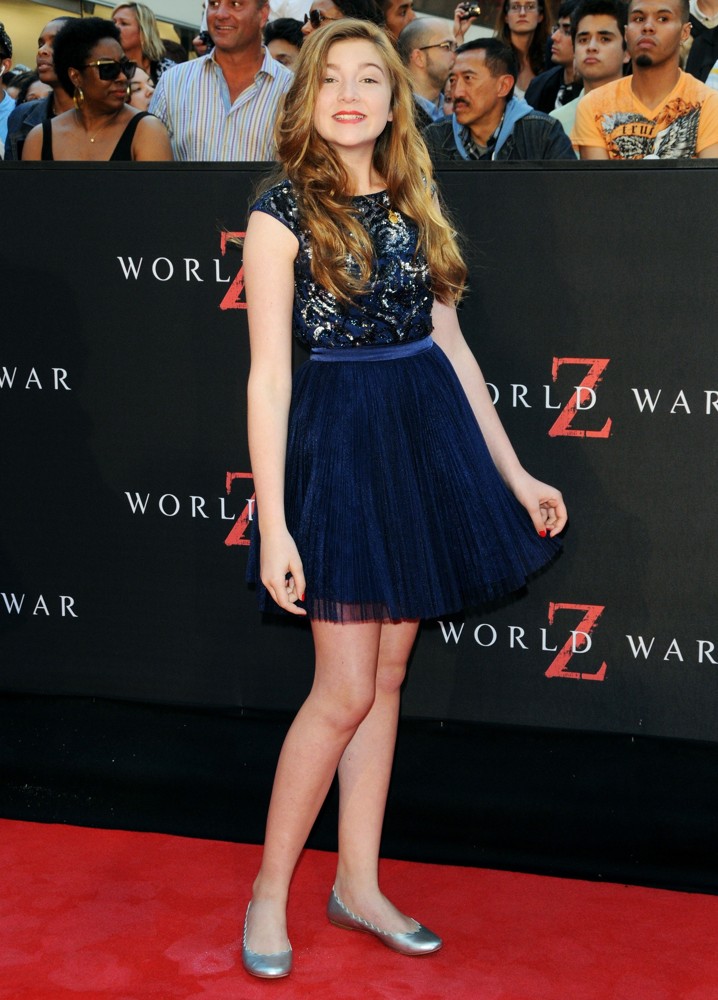
Abigail Hargrove
New York Premiere of World War Z - Arrivals
Jun 17, 2013
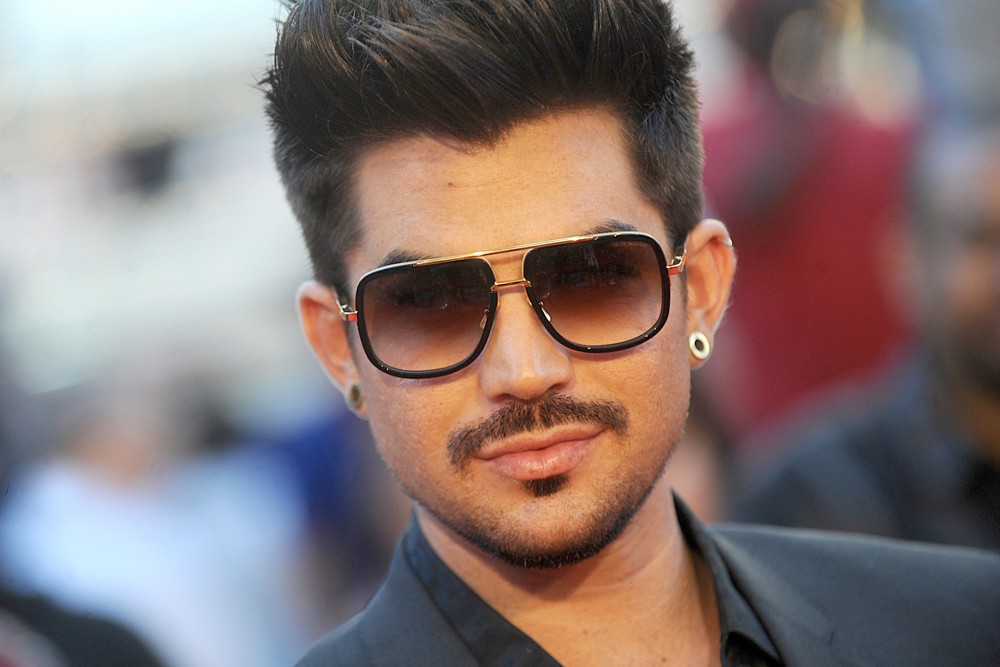
Adam Lambert
New York Premiere of World War Z - Arrivals
Jun 17, 2013
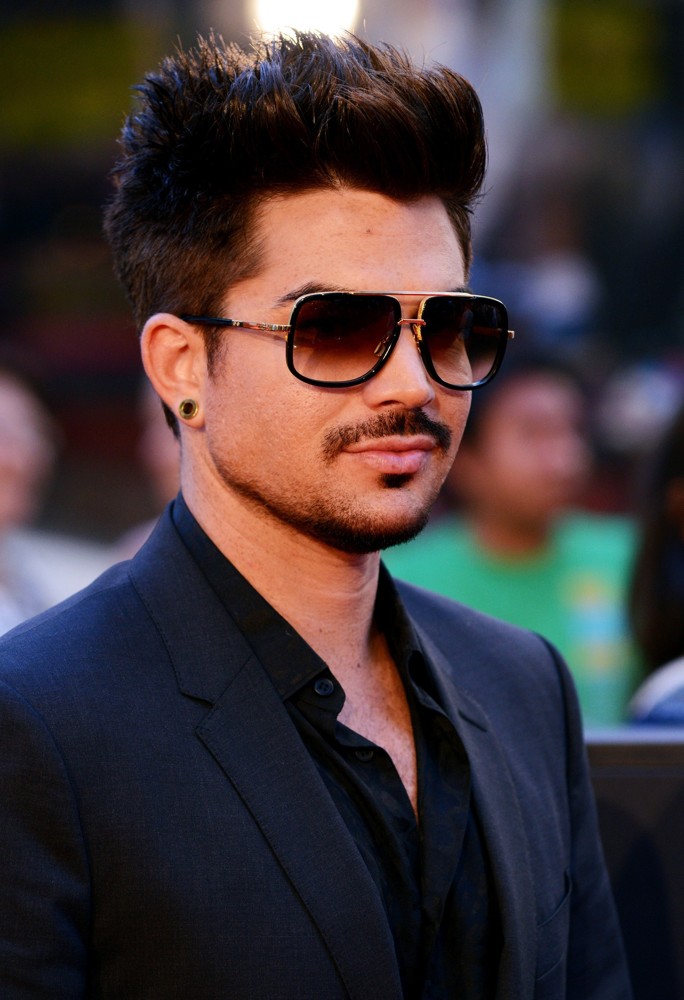
Adam Lambert
New York Premiere of World War Z - Arrivals
Jun 17, 2013
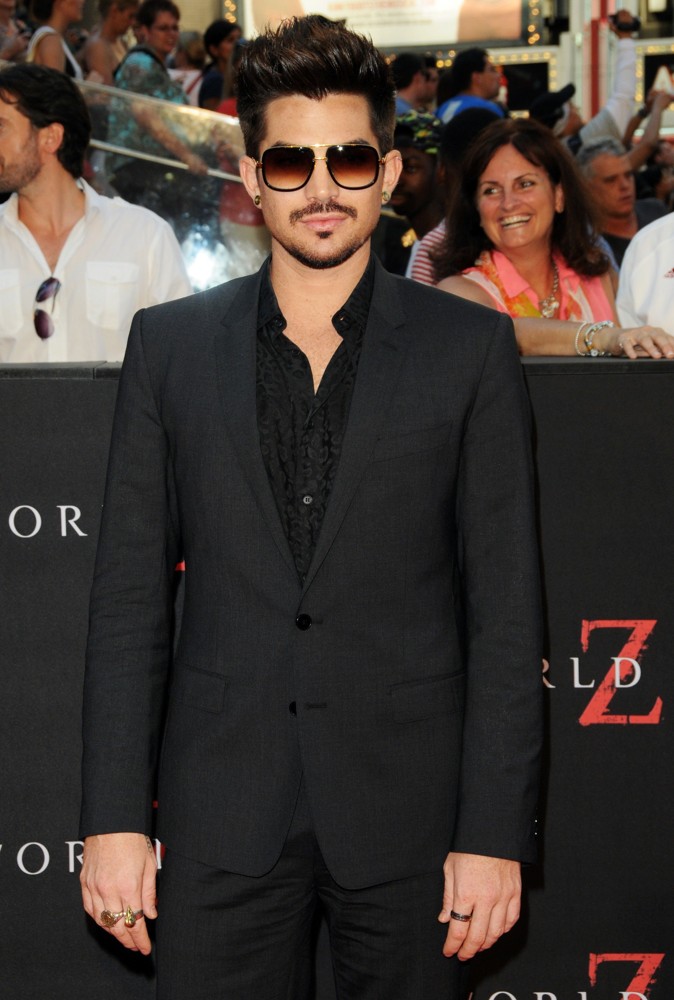
Adam Lambert
New York Premiere of World War Z - Arrivals
Jun 17, 2013
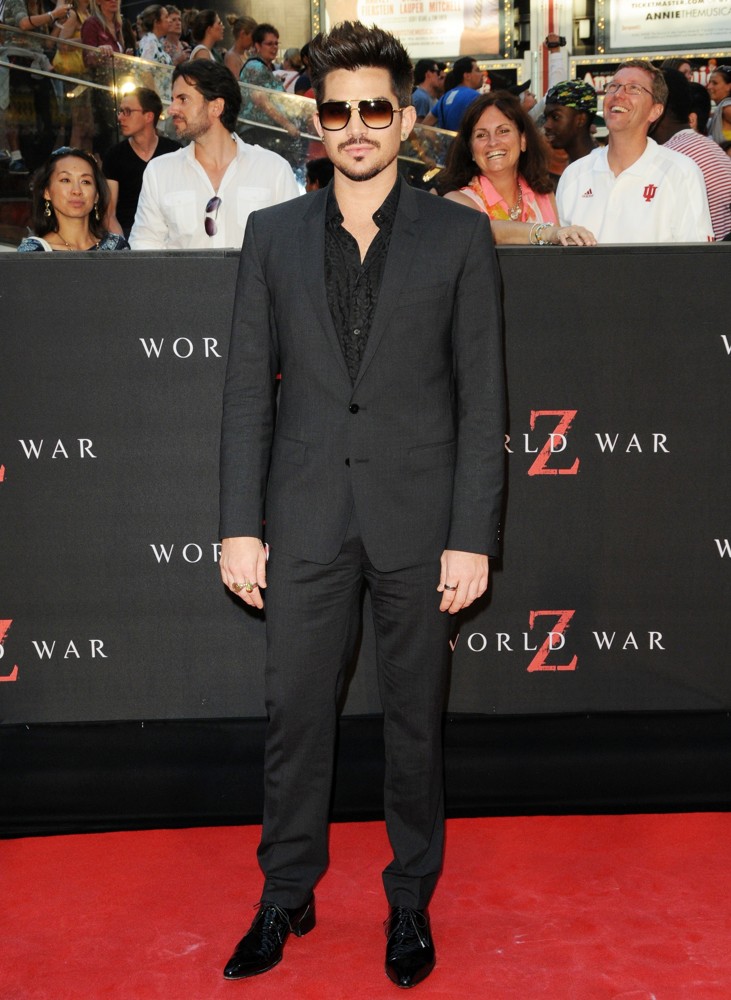
Adam Lambert
New York Premiere of World War Z - Arrivals
Jun 17, 2013



⭐Featured Celebrities