Goo Hara, known mononymously as Hara, was a South Korean singer and actress whose luminous presence in the K-pop industry left an indelible mark before her tragic passing at the age of 28. Born on January 3, 1991, she rose to prominence as a member of the iconic girl group Kara, becoming one of the most recognizable faces of the Korean Wave during the late 2000s and early 2010s. Her journey from a young trainee to an international star was marked by both dazzling success and profound personal struggles, making her story one of immense talent shadowed by the unforgiving pressures of fame.
Hara joined Kara in 2008, stepping into the group during a pivotal moment of lineup changes and helping to solidify its status as one of the leading acts in K-pop. With her striking visuals, charismatic stage presence, and versatile abilities as a singer and dancer, she quickly became a fan favorite both in South Korea and across Asia. The group’s string of hits, including "Mister" and "Step," propelled them to unprecedented heights, particularly in Japan, where they achieved remarkable commercial success and toured extensively. Beyond her musical career with Kara, Hara expanded her artistic range by venturing into acting, most notably appearing in the popular 2011 drama City Hunter, which showcased her potential as a screen presence and endeared her to a broader audience.
Following the disbandment of Kara in 2016, Hara embarked on a solo career, demonstrating her ambition to evolve as an artist. She made her official solo debut in July 2015 with the EP "Alohara (Can You Feel It?)," which featured the catchy lead single that highlighted her playful and confident persona. After signing with KeyEast, she continued to develop her individual identity in the industry, but it was her move to Japan in 2019, under the management of Production Ogi, that marked a significant new chapter. Her Japanese fanbase, cultivated during Kara’s heyday, warmly embraced her solo endeavors, and she released the maxi single "Midnight Queen" on September 19, 2019, which would become her final musical offering. In November of that year, she embarked on a mini-tour in Japan to support the release, a bittersweet moment that underscored her enduring popularity abroad.
Tragically, Hara’s life was marred by a series of traumatic events that ultimately overshadowed her professional achievements. In 2018, she became embroiled in a highly publicized legal battle with her ex-boyfriend, Choi Jong-bum, who had assaulted her and threatened to release a private sex video, a case that ignited widespread outrage and discussions about revenge porn and the treatment of women in South Korea. Additionally, she faced relentless harassment from segments of the Korean public who imposed strict moral codes on K-pop idols, subjecting her to constant cyberbullying. The suicide of her close friend Sulli in October 2019, who had suffered similar public scrutiny, dealt a devastating blow to Hara’s mental state. On November 24, 2019, Hara was found dead at her home in Seoul, with her death ruled a suicide.
Her passing sparked an outpouring of grief from fans and fellow celebrities alike, leading to calls for reform in South Korea. Petitions were submitted to the Cheong Wa Dae addressing sex crimes, cyberbullying, and outdated inheritance laws, highlighting the systemic issues that contributed to her suffering. In a poignant posthumous revelation, it was disclosed that Hara had played a pivotal role in helping her friend Choi Jong-hoon reveal the identity of a corrupt police officer who had protected members of the KakaoTalk chatrooms that shared rape videos, underscoring her bravery even in her final days. Goo Hara’s legacy remains complex, a testament to her vibrant talent and the darker realities of the entertainment industry, and she is remembered not only for her music and acting but also for the conversations her life and death ignited about accountability, compassion, and the need for change.
⭐
Similar Celebrities



📷
Recent Photos
ZZ Ward
The Art of Elysium Presents Stevie Wonder's HEAVEN - Celebrating The 10th Anniversary
Jan 7, 2017
Chris Zylka
MOCA Gala 2017
Apr 29, 2017
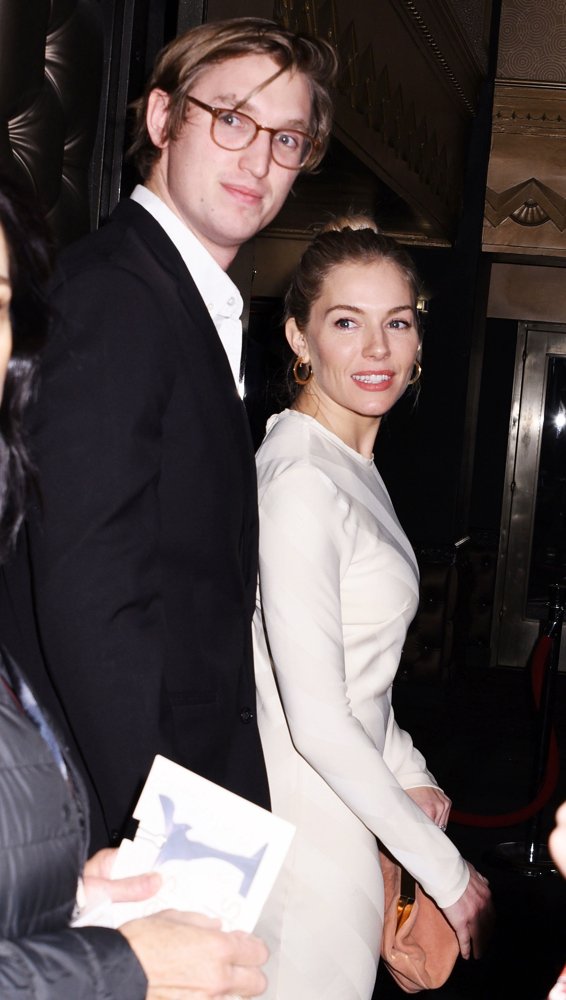
Lucas Zwirner
21 Bridges Screening
Nov 19, 2019
Lucas Zwirner
The 72nd Annual Writers Guild Awards
Feb 1, 2020
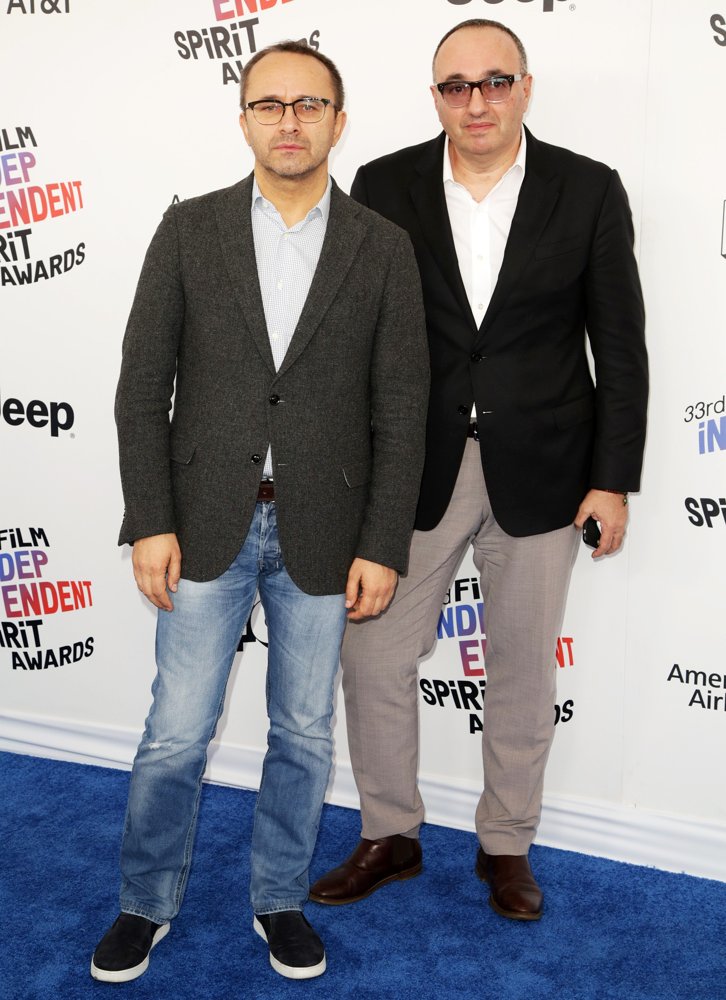
Andrey Zvyagintsev
2018 Film Independent Spirit Awards - Arrivals
Mar 3, 2018

Zuri Tibby
Victoria's Secret Fashion Show Viewing Party - Red Carpet Arrivals
Dec 2, 2018





⭐Featured Celebrities