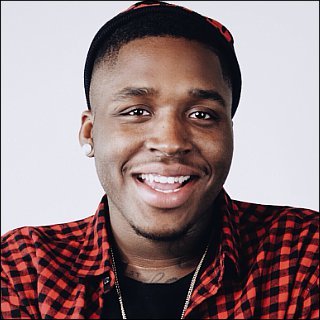
 DLOW, born Daryon Simmons, emerged from West Chicago, Illinois, as a viral hip-hop sensation whose dance-centric track captured the fleeting yet powerful attention of the internet. A rapper and performer, his claim to fame rests squarely on the 2015 single "Bet You Can't Do It Like Me," a song that spawned a nationwide dance craze and demonstrated the potent formula of a simple, catchy hook paired with an imitable challenge. The track's success cemented his place in the mid-2010s landscape of social media-driven music phenomena.
Growing up in the suburbs of Chicago, Daryon Simmons developed an early interest in music and performance. He adopted the stage name DLOW and began crafting his musical identity, focusing on creating high-energy tracks designed for movement and viral sharing. His breakthrough arrived with the independently released "Bet You Can't Do It Like Me." The song's infectious beat and accompanying dance instructions, where DLOW confidently lists activities like jumping, dabbing, and flapping, proved irresistible. It quickly spread across social media platforms like Vine and Instagram, with users from celebrities to schoolchildren posting their own attempts at the routine.
The viral explosion of "Bet You Can't Do It Like Me" propelled DLOW into the national spotlight. The single gained significant radio play and peaked at number 71 on the Billboard Hot 100 chart, a notable achievement for an independent viral hit. The accompanying music video further amplified the song's reach, showcasing DLOW's charismatic performance and the dance's steps. He capitalized on this momentum with follow-up singles like "DLOW Shuffle" and "Bop," which continued to cater to his core audience with danceable hip-hop rhythms. While subsequent releases did not replicate the massive viral impact of his signature hit, DLOW maintained a dedicated fanbase, often referred to as the "DLOW Army."
DLOW continued to release music and engage with fans through performances and social media. His career serves as a quintessential case study in the internet era of music, where a single, perfectly timed track can launch an artist to widespread recognition. Based in Chicago, he remains an active figure in the local music scene, recognized for creating one of the definitive dance challenges of its time. His legacy is intertwined with the "Bet You Can't Do It Like Me" challenge, a cultural moment that highlighted the power of participatory internet culture in shaping musical success.
⭐
Similar Celebrities

📷
Recent Photos
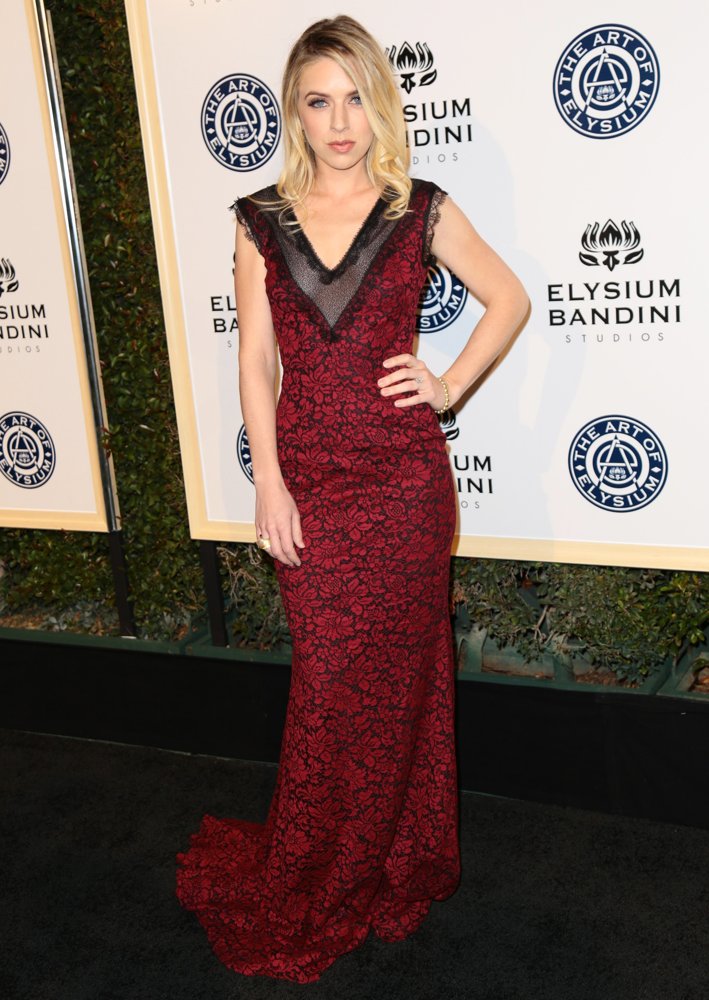
ZZ Ward
The Art of Elysium Presents Stevie Wonder's HEAVEN - Celebrating The 10th Anniversary
Jan 7, 2017

Esther Zynn
Nickelodeon's 2016 Kids' Choice Awards - Arrivals
Mar 12, 2016

Esther Zynn
Nickelodeon's 2016 Kids' Choice Awards - Arrivals
Mar 12, 2016
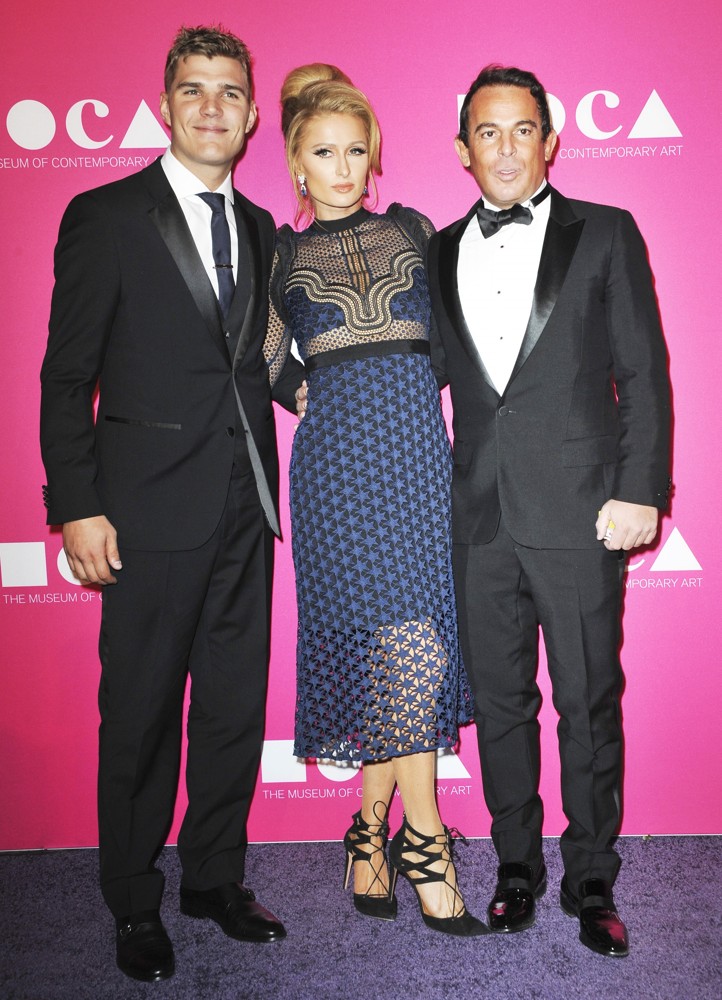
Chris Zylka
MOCA Gala 2017
Apr 29, 2017
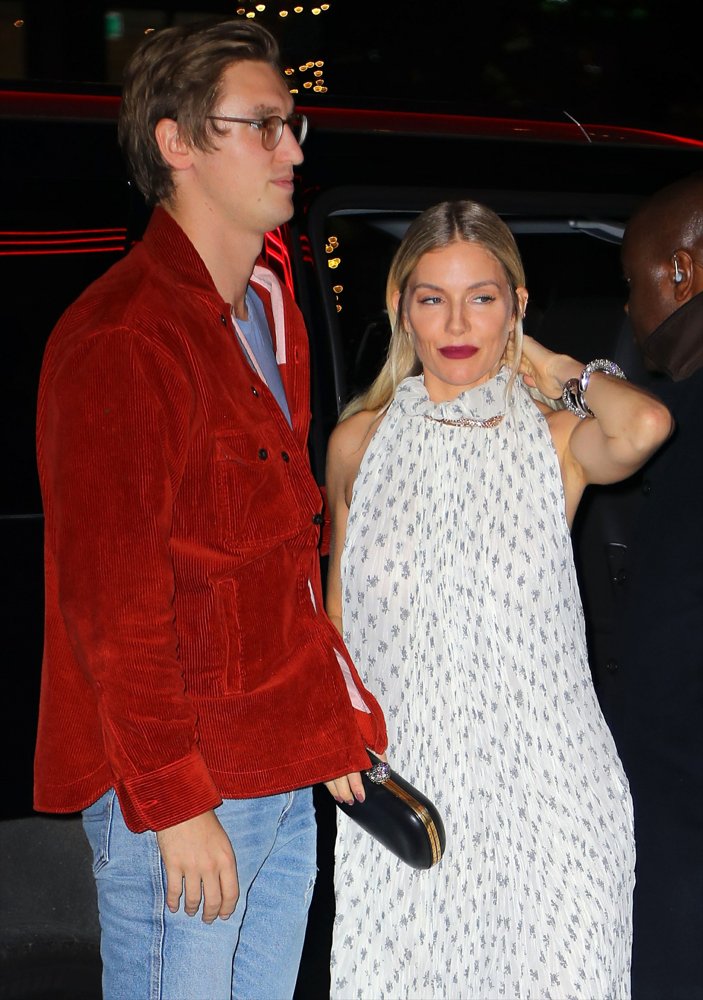
Lucas Zwirner
21 Bridges Screening
Nov 19, 2019

Lucas Zwirner
The 72nd Annual Writers Guild Awards
Feb 1, 2020



⭐Featured Celebrities