Born Clarence Joseph LeBlanc on June 7, 1944, in Lewiston, Maine, Clarence White emerged as one of the most influential guitarists in the history of American roots music. Raised in a musical family that relocated to California during his childhood, White grew up alongside his brothers Roland and Eric, with whom he would form the foundation of his early career. The family band, initially performing as the Three Little Country Boys, gradually evolved into the celebrated bluegrass ensemble the Kentucky Colonels. White’s virtuosic flatpicking style, characterized by its dazzling speed and melodic inventiveness, quickly set him apart in the bluegrass scene and earned him a devoted following among fellow musicians and fans alike.
As a member of the Kentucky Colonels during the early 1960s, White helped redefine the boundaries of bluegrass guitar, drawing inspiration from jazz and other genres to create a sound that was both technically astonishing and deeply rooted in tradition. The group’s recordings from this period, including their influential album "Appalachian Swing!", are now regarded as landmarks of the genre. However, White’s restless creativity soon led him beyond the confines of bluegrass. In 1965, he joined the rock band the Byrds, a move that would cement his status as a pioneering figure in the emerging country rock movement. His tenure with the Byrds, which began with the landmark album "Sweetheart of the Rodeo" and continued through the early 1970s, saw him contribute his signature guitar work to classics such as "You Ain't Going Nowhere" and "Ballad of Easy Rider."
White’s influence extended far beyond his work with the Byrds. Together with fellow musician Gene Parsons, he invented the B-Bender, a revolutionary guitar accessory that mechanically raises the pitch of the B-string, allowing guitarists to emulate the crying, sliding sound of a pedal steel guitar. This invention, patented in the late 1960s, became an essential tool for countless country rock and Americana guitarists and remains a testament to White’s ingenuity. His session work during this period was equally prolific, as he lent his distinctive playing to recordings by a remarkable array of artists, including The Everly Brothers, Joe Cocker, Ricky Nelson, Pat Boone, The Monkees, Randy Newman, Gene Clark, Linda Ronstadt, Arlo Guthrie, and Jackson Browne. His ability to seamlessly blend country, rock, and folk idioms made him one of the most sought-after guitarists of his generation.
Tragically, White’s remarkable career was cut short on July 15, 1973, when he was struck and killed by a drunk driver while loading equipment into a car after a performance in Palmdale, California. He was just 29 years old. Despite his untimely death, White’s legacy has only grown in the decades since. His innovative approach to the guitar and his role in bridging the worlds of bluegrass, country, and rock have inspired generations of musicians, from Jerry Garcia to Marty Stuart. In recognition of his enduring impact, White was inducted into the International Bluegrass Music Association Hall of Fame in 2016, and again in 2019 as a member of the Kentucky Colonels. Today, he is remembered not only as a technical master of his instrument but as a visionary artist whose contributions helped shape the sound of American popular music.
⭐
Similar Celebrities


📷
Recent Photos

A Boogie Wit Da Hoodie
STARZ Red Carpet Event for Power Final Season World Premiere
Aug 20, 2019

Caroline Aaron
26th Annual SAG Awards - Press Room
Jan 19, 2020

Aaron Paul
Premiere of HBO's Westworld Season 3 - Arrivals
Mar 5, 2020

Aaron Paul
Premiere of HBO's Westworld Season 3 - Arrivals
Mar 5, 2020

Abbie Quinnen
UK Screening of The Hitman's Wife's Bodyguard
Jun 14, 2021
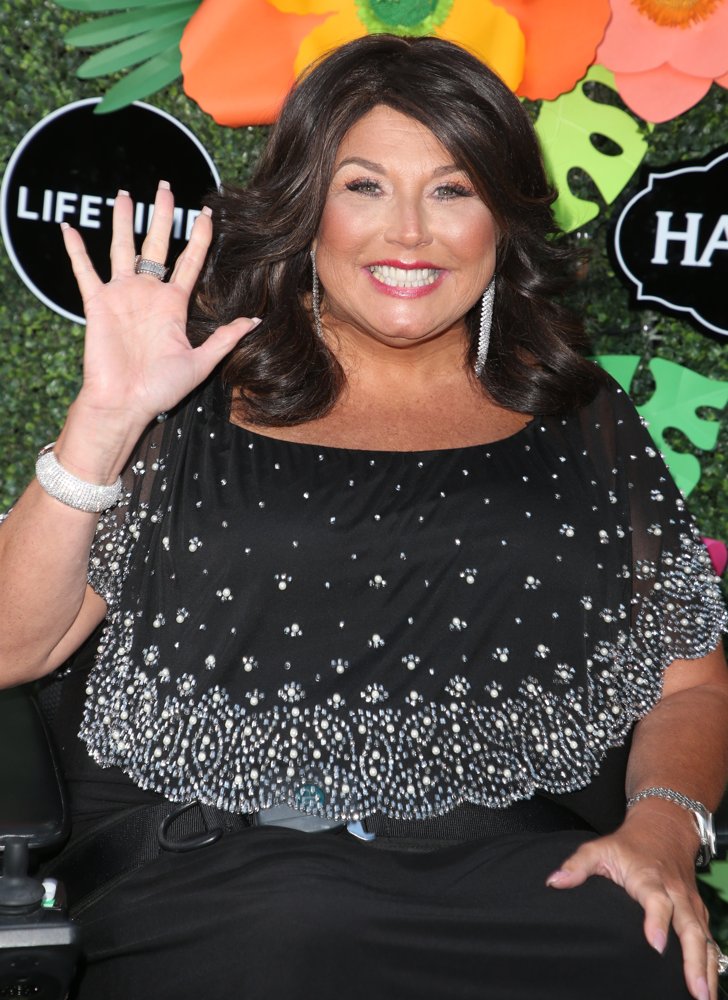
Abby Lee Miller
Lifetime's Summer Luau
May 20, 2019



⭐Featured Celebrities