Brian Christopher Laundrie was an American man who became the subject of intense national and international attention following the disappearance and death of his fiancée, Gabrielle Petito, during a cross-country vanlife trip in 2021. Born on November 18, 1997, in Florida, Laundrie grew up in North Port, Florida, where he later lived with his parents, Christopher and Roberta Laundrie. He met Petito in high school, and the two began dating before eventually becoming engaged. Together, they documented their travels and lifestyle on social media, building a modest following as a young couple embracing the vanlife movement.
In July 2021, Laundrie and Petito embarked on a planned four-month journey across the United States in a converted white Ford Transit van. The trip, intended to showcase their travels to followers online, began on July 2. However, the journey took a tragic turn when Petito disappeared on August 27, 2021, while the couple was in Wyoming. Laundrie returned alone to his parents' home in North Port, Florida, driving the van back without Petito and refusing to speak with authorities or Petito's family about her whereabouts. His silence and actions drew widespread suspicion and media scrutiny.
On September 13, 2021, Laundrie left his family home and was reported missing by his parents four days later. Meanwhile, authorities had named him a person of interest in Petito's disappearance, and an arrest warrant was issued on charges that he had made unauthorized withdrawals using her debit card. On September 19, Petito's remains were discovered in Wyoming's Bridger-Teton National Forest. An autopsy determined that she died from blunt-force injuries to her head and neck, along with manual strangulation. The case captivated the public, fueled by social media documentation of the couple's travels, leaked police body camera footage, 9-1-1 dispatch recordings, and eyewitness accounts.
After an extensive month-long search, Laundrie's skeletal remains were found on October 20, 2021, in Florida's Myakkahatchee Creek Environmental Park, near a notebook and other personal items. On November 23, an autopsy confirmed that he died from a self-inflicted gunshot wound to the head. The FBI later announced that Laundrie had admitted to killing Petito in writings found in his notebook near his remains. The tragic case sparked nationwide conversations about domestic violence, media coverage of missing persons, and the role of social media in high-profile investigations. Laundrie's death concluded the manhunt, but the case continues to be remembered as one of the most widely followed true-crime stories of the decade.
⭐
Similar Celebrities




📷
Recent Photos
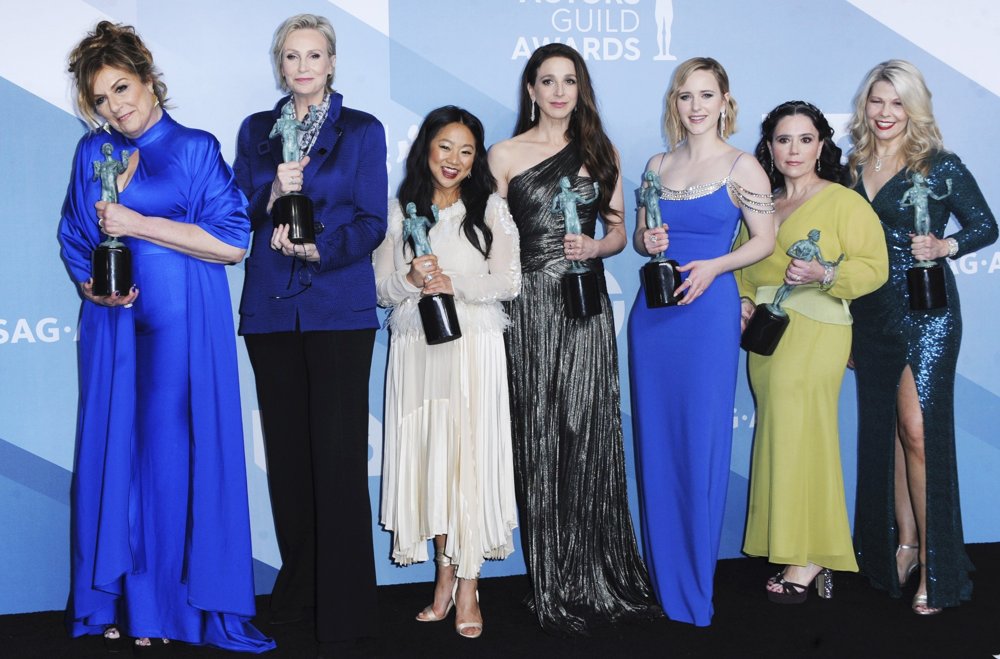
Caroline Aaron
26th Annual SAG Awards - Press Room
Jan 19, 2020
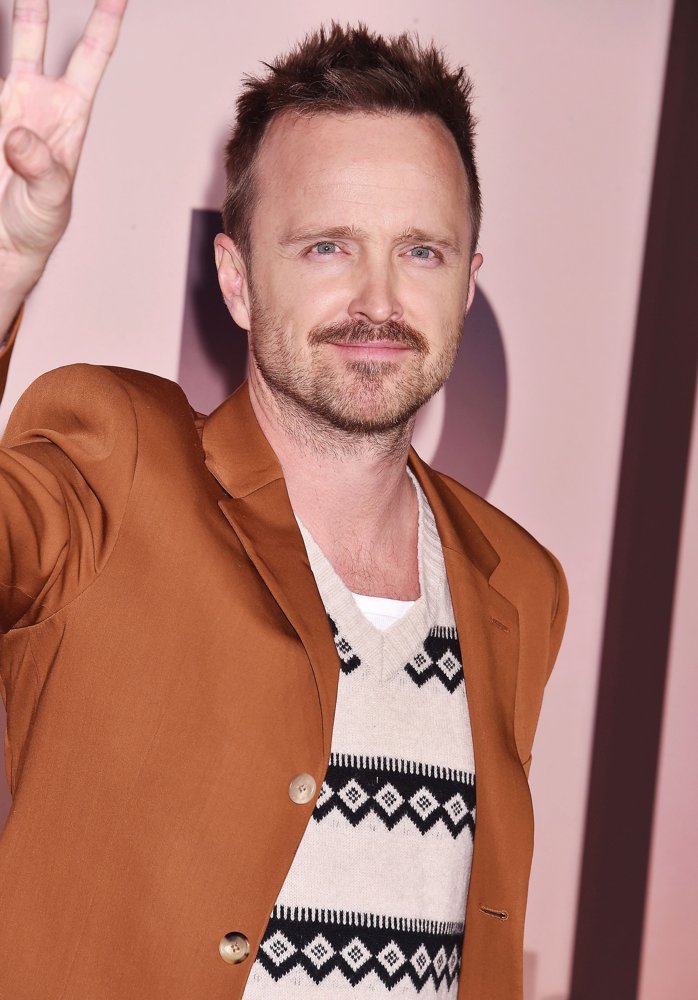
Aaron Paul
Premiere of HBO's Westworld Season 3 - Arrivals
Mar 5, 2020
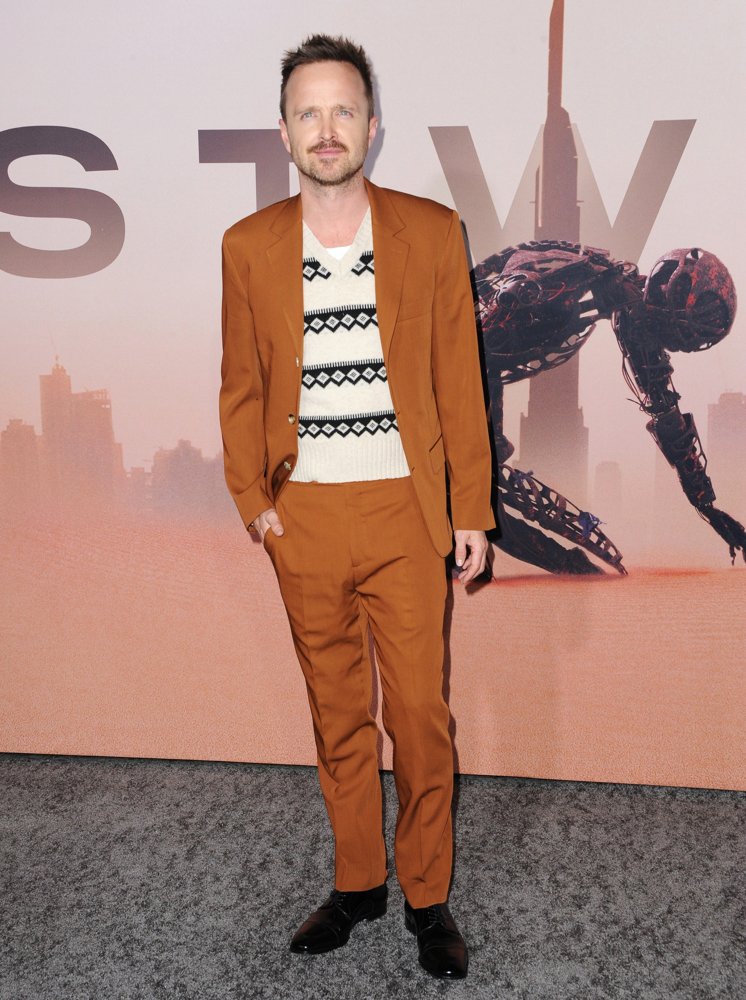
Aaron Paul
Premiere of HBO's Westworld Season 3 - Arrivals
Mar 5, 2020

Abbie Quinnen
UK Screening of The Hitman's Wife's Bodyguard
Jun 14, 2021
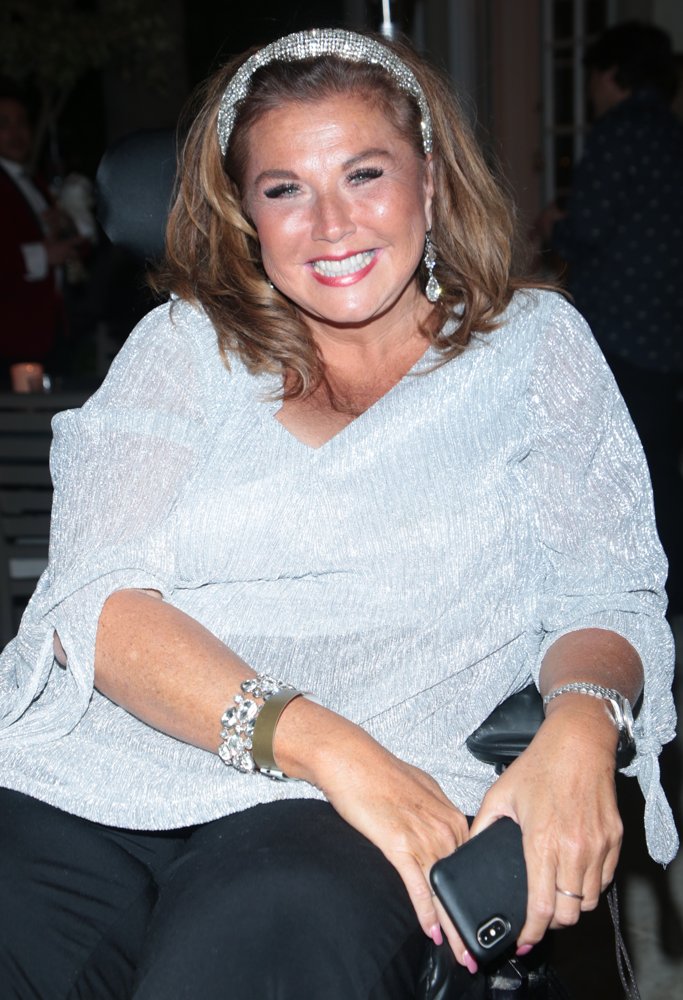
Abby Lee Miller
Abby Lee Miller Seen for Oscar's Night
Apr 25, 2021
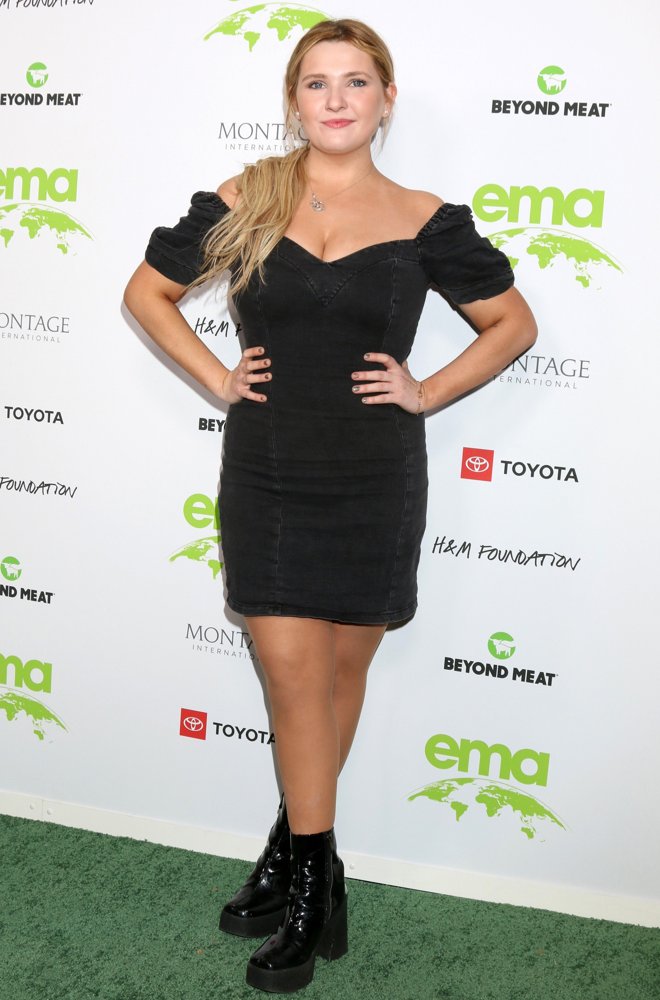
Abigail Breslin
2021 Environmental Media Association Awards
Oct 16, 2021

⭐Featured Celebrities