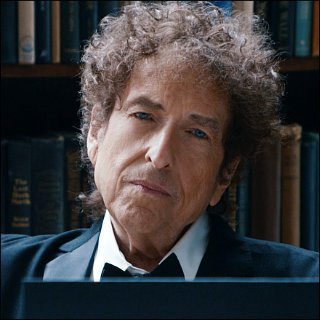
 Bob Dylan, born Robert Allen Zimmerman on May 24, 1941, in Duluth, Minnesota, is an iconic American singer-songwriter renowned for his profound impact on music and culture over a career spanning more than six decades. Often regarded as one of the greatest songwriters of all time, Dylan has sold an estimated 125 million records worldwide, making him one of the best-selling musicians in history. His distinctive ability to fuse folk music with the intellectualism of classic literature and poetry set him apart, allowing his work to resonate with the counterculture of the 1960s and beyond.
Dylan's early life was marked by a deep appreciation for music, influenced by the folk and blues traditions that thrived in the United States. He relocated to New York City in 1961, where he began to carve out a space for himself in the burgeoning folk music scene. His self-titled debut album, released in 1962, featured traditional folk and blues songs, but it was his second album, The Freewheelin' Bob Dylan, which propelled him to fame in 1963. This landmark album included classics such as "Girl from the North Country" and "A Hard Rain's a-Gonna Fall," showcasing his ability to adapt older folk melodies with poignant, original lyrics.
Dylan became an emblematic voice of the civil rights and antiwar movements with his anthems "Blowin' in the Wind" and "The Times They Are a-Changin'," both released in the early 1960s. His willingness to address social and political issues through music resonated with a generation seeking change. In 1965, Dylan sparked controversy by incorporating electric instrumentation into his work, a shift that was evident in albums like Bringing It All Back Home and Highway 61 Revisited. The single "Like a Rolling Stone" expanded the boundaries of popular music, both commercially and creatively, marking a significant evolution in his style.
Following a motorcycle accident in 1966, Dylan stepped away from the spotlight for seven years, during which he focused on recording with the Band, resulting in the critically acclaimed The Basement Tapes in 1975. This period saw him exploring country music and rural themes in albums like John Wesley Harding, Nashville Skyline, and New Morning. His work during this time laid the groundwork for his later successes, including the celebrated albums Blood on the Tracks and Time Out of Mind, the latter of which earned him the Grammy Award for Album of the Year in 1998.
In the years that followed, Dylan continued to evolve as an artist, maintaining a relentless touring schedule known as the Never Ending Tour since the late 1980s. He has also ventured into the visual arts, publishing ten books of paintings and drawings, with his work showcased in prominent galleries. His life and career have been the subject of various films, including the biopic A Complete Unknown, released in 2024.
Dylan's contributions to music and culture have been recognized with numerous accolades, including an Academy Award, ten Grammy Awards, and induction into the Rock and Roll Hall of Fame and the Songwriters Hall of Fame. He received the prestigious Kennedy Center Honors in 1997 and the Presidential Medal of Freedom in 2012. In 2008, he was awarded a special citation from the Pulitzer Prize Board, and in 2016, he made history by becoming the first musician to receive the Nobel Prize in Literature, awarded "for having created new poetic expressions within the great American song tradition." Today, Dylan remains a vital figure in the music industry, continuously releasing new material and influencing generations of artists.
⭐
Similar Celebrities

📷
Recent Photos
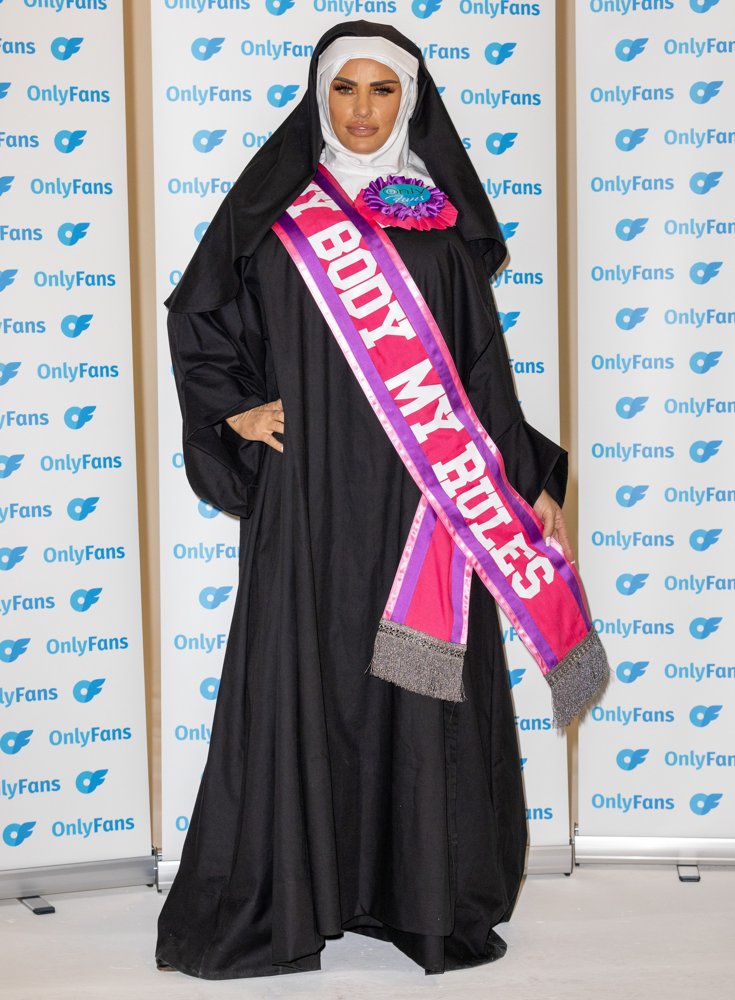
Katie Price
Katie Price Launches Only Fans Channel - Photocall
Jan 26, 2022
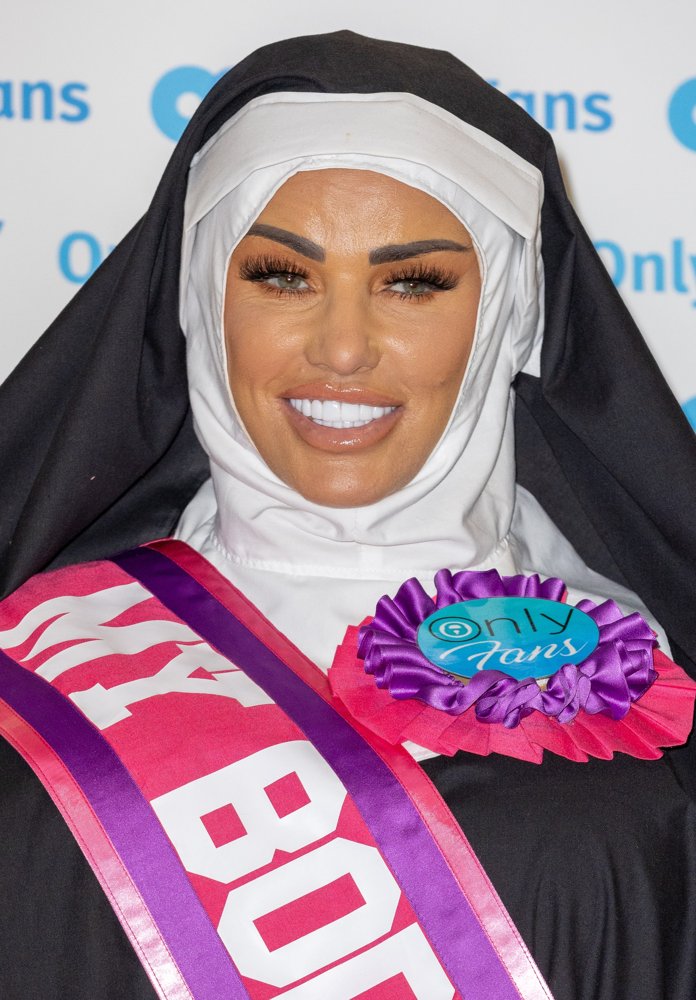
Katie Price
Katie Price Launches Only Fans Channel - Photocall
Jan 26, 2022

Jessie J
The Premiere of Cirque Du Soleil Luzia
Jan 13, 2022
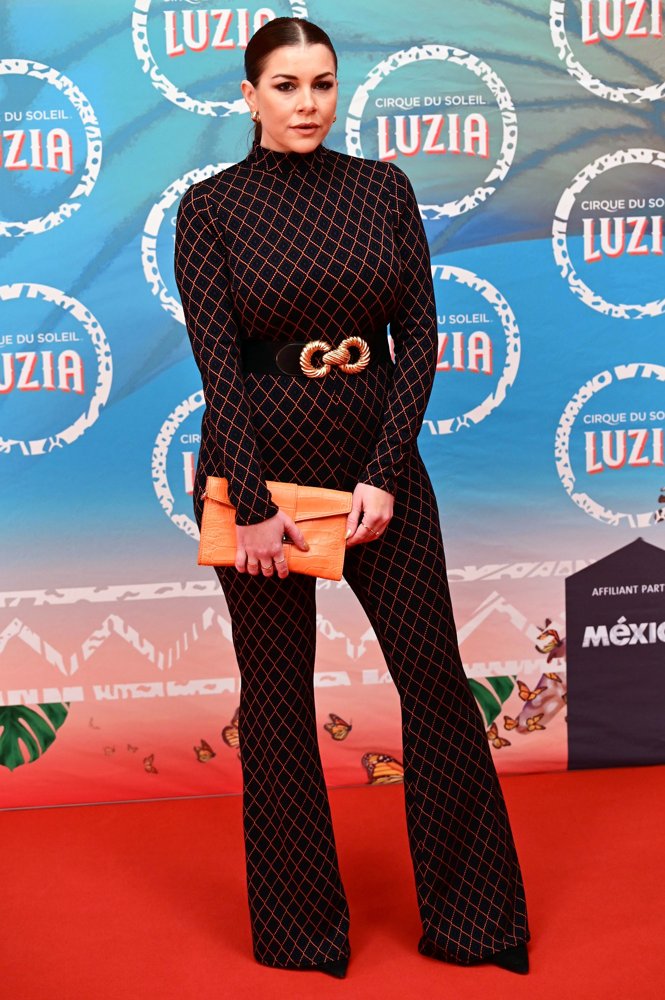
Imogen Thomas
The Premiere of Cirque Du Soleil Luzia
Jan 13, 2022

Hayley Palmer
The Premiere of Cirque Du Soleil Luzia
Jan 13, 2022

Phoenix Chi Gulzar
The Premiere of Cirque Du Soleil Luzia
Jan 13, 2022



⭐Featured Celebrities