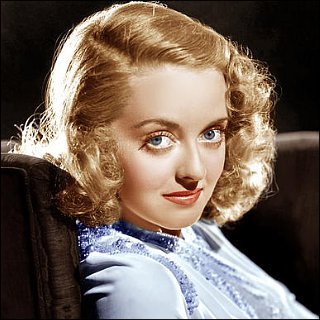
 Ruth Elizabeth "Bette" Davis, born on April 5, 1908, in Lowell, Massachusetts, was an American actress revered as one of the greatest performers in the history of Hollywood. With a career that spanned over six decades, Davis became known for her bold choice of roles, often portraying complex, unsympathetic characters that showcased her formidable talent and strong personality. She left an indelible mark on the film industry, celebrated for her memorable performances in a wide range of genres, particularly in romantic dramas.
Davis was the daughter of Harlow Morrell Davis and Ruth Favor. Her early life was steeped in the arts; she attended the Cushing Academy and later transferred to the John Murray Anderson School of Theatre, where she honed her craft on stage. Davis made her Broadway debut in 1929, and after a few initial setbacks, she transitioned to Hollywood in 1930. Her early work at Universal Studios did not yield the success she hoped for, leading her to join Warner Bros. in 1932, where she gained critical recognition.
Her breakthrough role came with her portrayal of a vulgar waitress in Of Human Bondage (1934), which was pivotal despite her being overlooked for an Academy Award nomination. However, she quickly redeemed herself, winning her first Academy Award for Best Actress for her performance in Dangerous (1935). Over the years, Davis's career flourished, particularly in the late 1930s and 1940s, during which she garnered a string of nominations and awards for iconic films such as Jezebel (1938), Dark Victory (1939), The Letter (1940), The Little Foxes (1941), and Now, Voyager (1942). Her portrayal of Margo Channing in All About Eve (1950) is often regarded as one of her finest performances and earned her a second Academy Award.
Despite her remarkable achievements, Davis faced challenges, including a decline in her career during the late 1940s. Nevertheless, she made a powerful comeback with All About Eve, which revitalized her status in Hollywood. Throughout the 1960s, she continued to deliver striking performances, notably in the psychological horror film What Ever Happened to Baby Jane? (1962), which remains one of her most memorable works. In her later years, Davis embraced television, starring in the miniseries The Dark Secret of Harvest Home (1978) and winning an Emmy Award for Strangers: The Story of a Mother and Daughter (1979).
Davis was known not only for her exceptional talent but also for her strong-willed personality and intense acting style. She became a trailblazer in the industry, serving as the first female president of the Academy of Motion Picture Arts and Sciences and co-founding the Hollywood Canteen during World War II. Throughout her personal life, Davis experienced four marriages, including her unions with Harmon Nelson, Arthur Farnsworth, William Grant Sherry, and Gary Merrill, and she raised her children as a single parent after her divorces.
Her final years were marked by health struggles, but Davis remained committed to her craft until shortly before her death from breast cancer on October 6, 1989. With more than 100 film, television, and theater roles to her credit, she left a legacy that continues to resonate. In 1999, she was honored as the second greatest female star of classic Hollywood cinema by the American Film Institute, trailing only Katharine Hepburn. Bette Davis's unparalleled contributions to the world of entertainment solidified her status as an enduring icon in American cinema.
⭐
Similar Celebrities

📷
Recent Photos

Adrian Martinez
The Los Angeles Premiere of Point Break - Arrivals
Dec 15, 2015
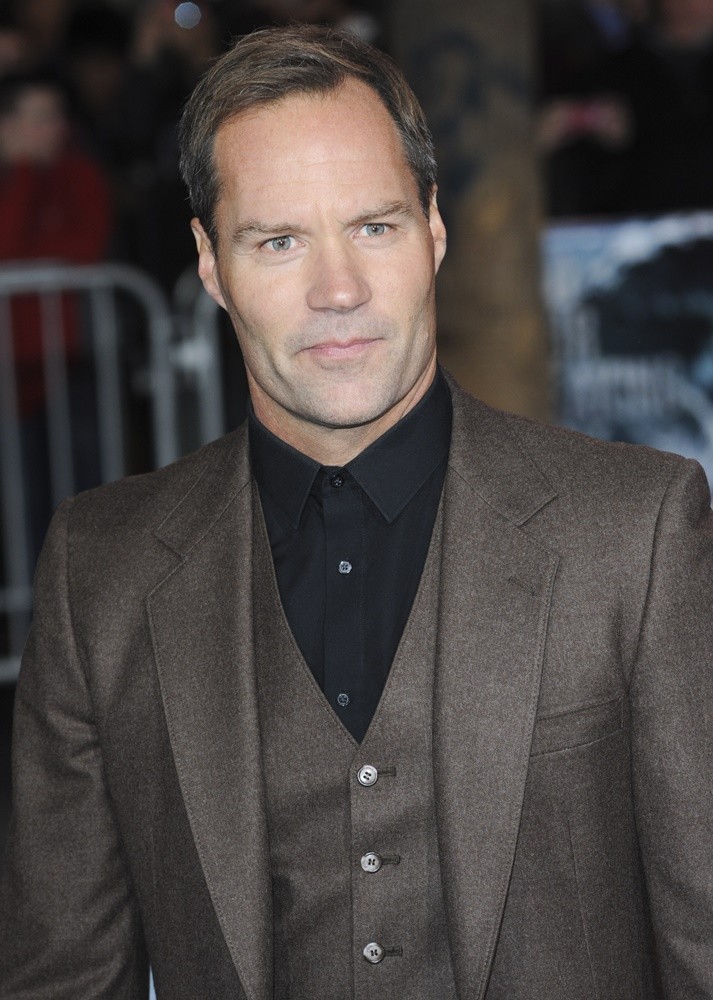
BoJesse Christopher
The Los Angeles Premiere of Point Break - Arrivals
Dec 15, 2015
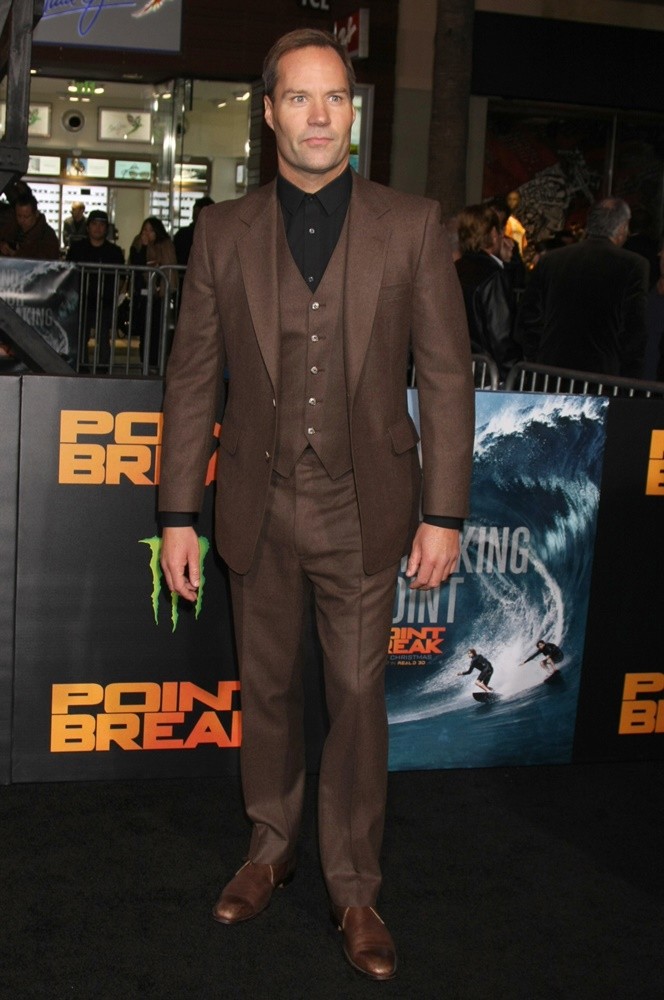
BoJesse Christopher
The Los Angeles Premiere of Point Break - Arrivals
Dec 15, 2015

Luke Bracey
The Los Angeles Premiere of Point Break - Arrivals
Dec 15, 2015
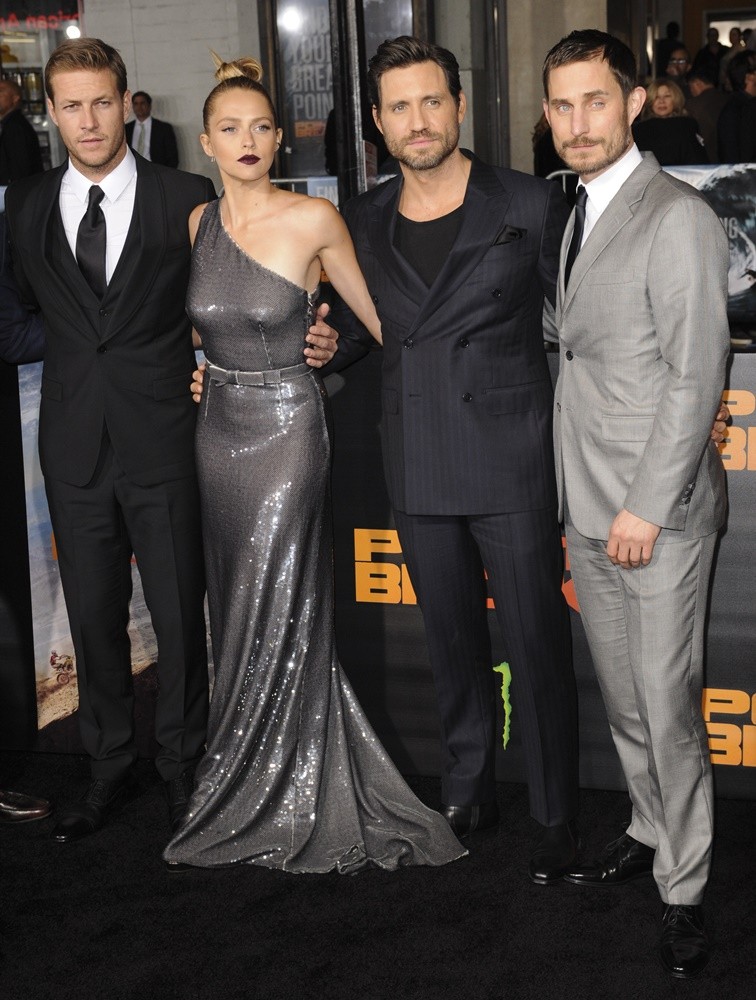
Luke Bracey
The Los Angeles Premiere of Point Break - Arrivals
Dec 15, 2015

Cas Anvar
The Los Angeles Premiere of Point Break - Arrivals
Dec 15, 2015




⭐Featured Celebrities