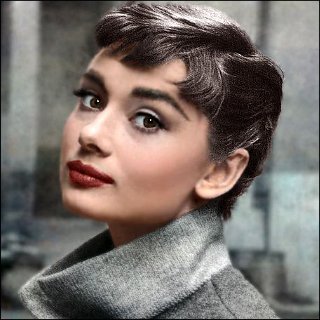
 Audrey Hepburn was a British actress, renowned not only for her enchanting performances on screen but also for her enduring status as a fashion icon. Born as Audrey Kathleen Ruston on May 4, 1929, in Brussels, Belgium, she became one of the most celebrated figures in the film industry. Hepburn's legacy is underscored by her remarkable talent, characterized by a unique blend of grace and charm, making her a beloved figure across generations. She was posthumously ranked by the American Film Institute as the third-greatest female screen legend of Classical Hollywood cinema, a testament to her significant impact on the arts.
Hepburn's early life was marked by her aristocratic upbringing, as she was the daughter of Joseph Anthony Ruston and Ella van Heemstra. Her formative years were spent in various parts of Europe, notably Belgium, the United Kingdom, and the Netherlands. She attended boarding school in Kent from 1936 to 1939 before returning to the Netherlands, where the onset of World War II heavily influenced her life. During the war, she studied ballet at the Arnhem Conservatory and performed to raise funds for the resistance. Following the war, she continued her dance education with prominent instructors, including Sonia Gaskell and Marie Rambert.
Her career began in the realm of musical theatre, where she performed as a chorus girl in London's West End. Hepburn's transition to film began with minor roles, but her breakthrough came in 1953 with the romantic comedy Roman Holiday, in which she starred alongside Gregory Peck. This performance not only garnered her critical acclaim but also made her the first actress to win an Academy Award, a Golden Globe Award, and a BAFTA Award for a single performance. That same year, she won a Tony Award for Best Leading Actress in a Play for her role in Ondine.
Following her impressive debut, Hepburn starred in a series of successful films that solidified her status as a Hollywood star. She captivated audiences in Sabrina (1954) alongside Humphrey Bogart and William Holden, and showcased her singing talents in the musical Funny Face (1957). Other notable works included the drama The Nun's Story (1959), the iconic romantic comedy Breakfast at Tiffany's (1961), and the memorable thriller Charade (1963), opposite Cary Grant. Her performance in the musical My Fair Lady (1964) further demonstrated her versatility as an actress.
In 1967, Hepburn starred in the thriller Wait Until Dark, earning nominations for various prestigious awards. After this film, she appeared less frequently on screen, with notable roles in Robin and Marian (1976) and Always (1989), directed by Steven Spielberg. Her last significant appearance was in the documentary television series Gardens of the World with Audrey Hepburn, which earned her a Primetime Emmy Award for Outstanding Individual Achievement – Informational Programming.
Beyond her illustrious film career, Hepburn dedicated much of her later life to humanitarian efforts, particularly with UNICEF. From 1954 onwards, she worked tirelessly to improve the lives of children in impoverished communities across Africa, South America, and Asia. In recognition of her humanitarian work, she received the US Presidential Medal of Freedom in December 1992. Audrey Hepburn passed away on January 20, 1993, from appendix cancer at her home in Tolochenaz, Switzerland, leaving behind a legacy that continues to inspire and resonate with audiences around the world. Her contributions to both film and philanthropy remain a significant part of her enduring legacy.
⭐
Similar Celebrities





📷
Recent Photos
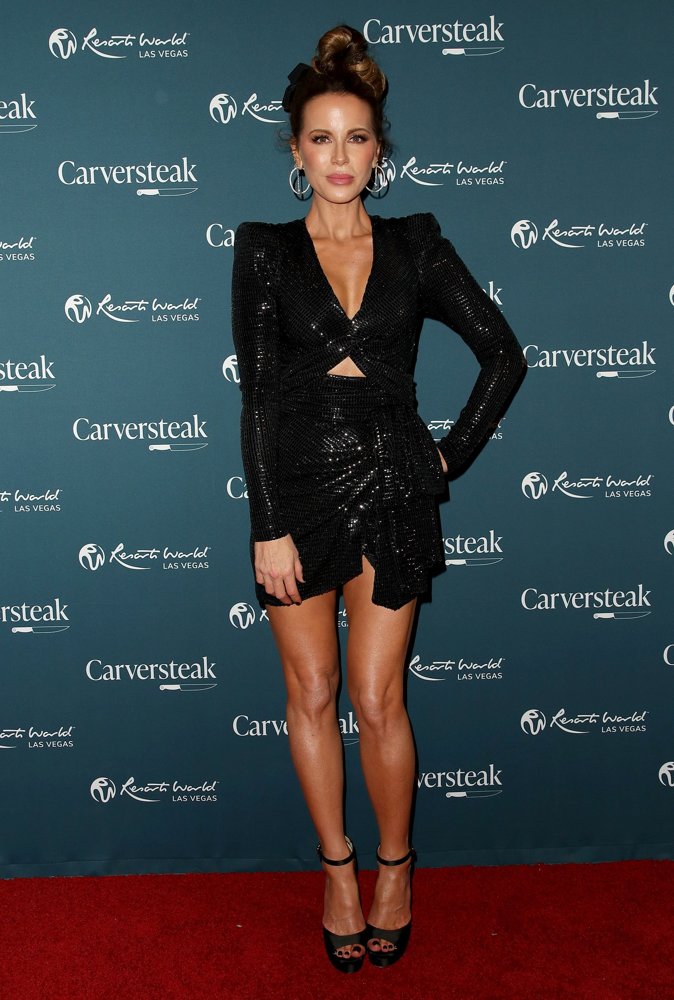
Kate Beckinsale
Carversteak Grand Opening
Dec 29, 2021

Courtney Mazza
Carversteak Grand Opening
Dec 29, 2021
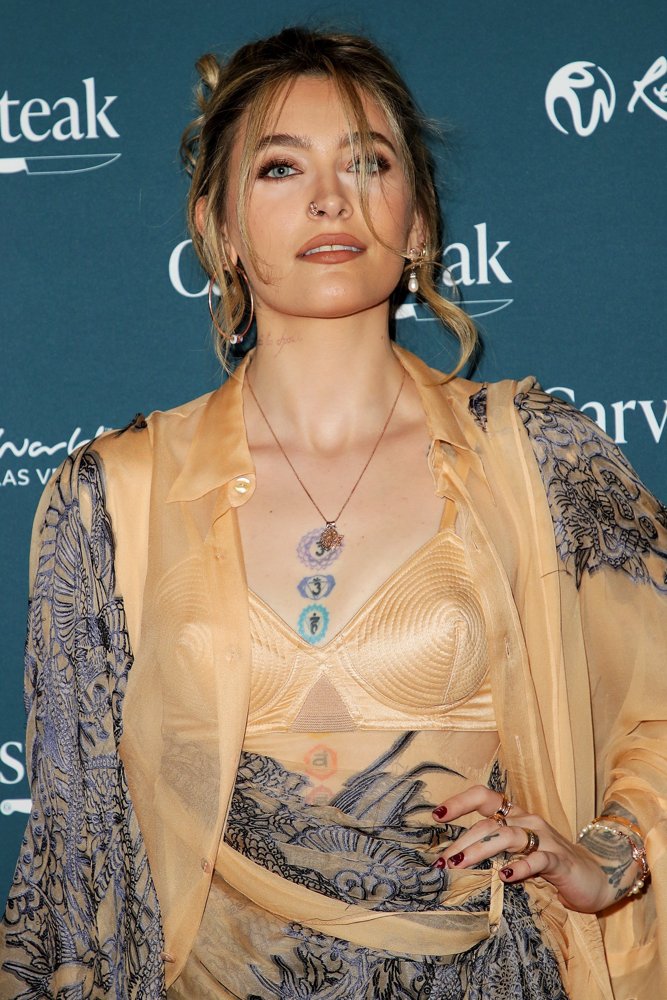
Paris Jackson
Carversteak Grand Opening
Dec 29, 2021
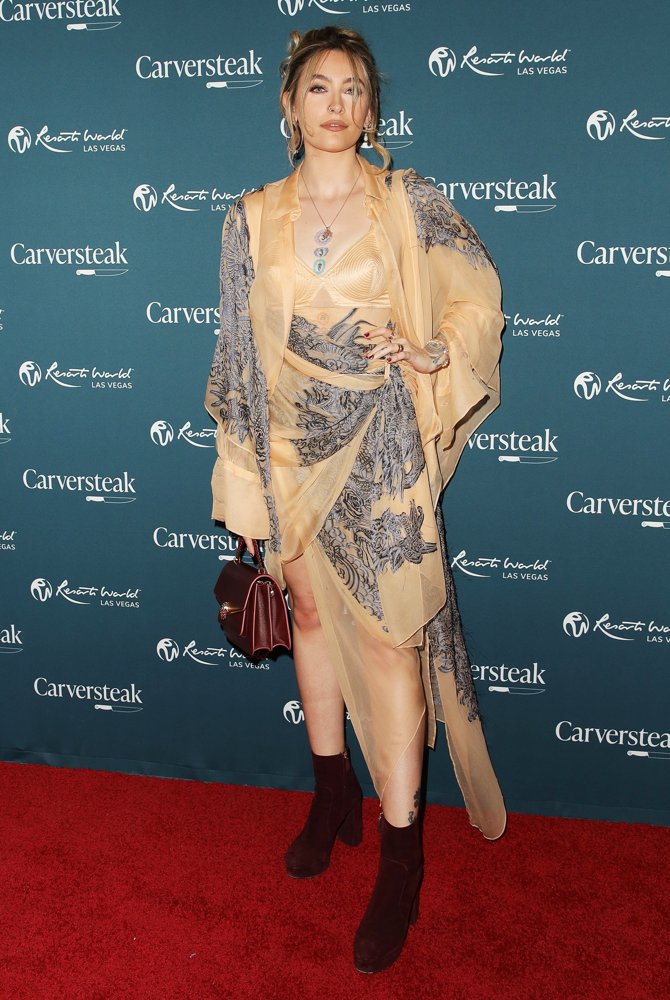
Paris Jackson
Carversteak Grand Opening
Dec 29, 2021

Tom Holland
International Consumer Electronics Show (CES)
Jan 4, 2022
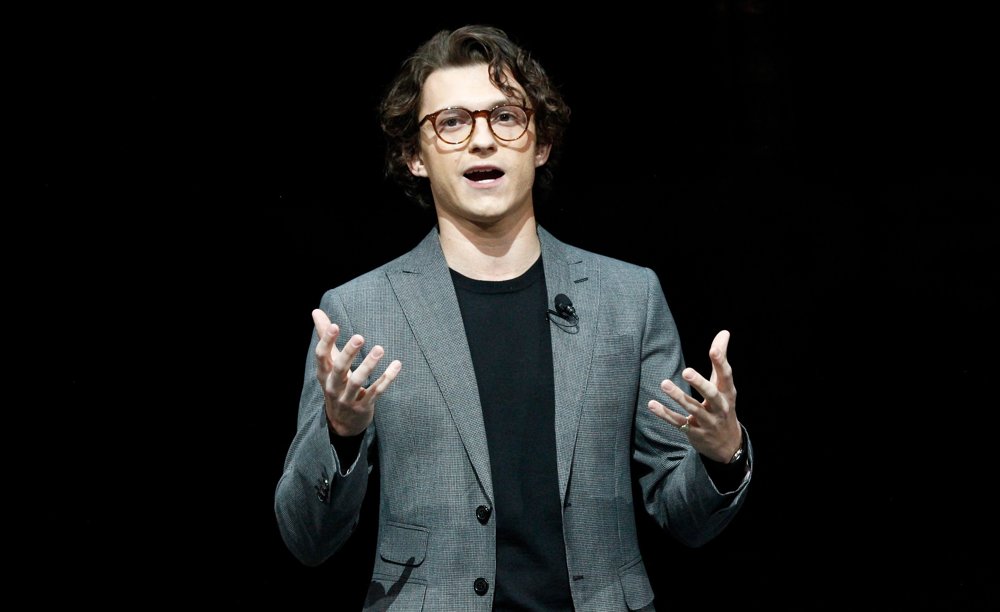
Tom Holland
International Consumer Electronics Show (CES)
Jan 4, 2022





⭐Featured Celebrities