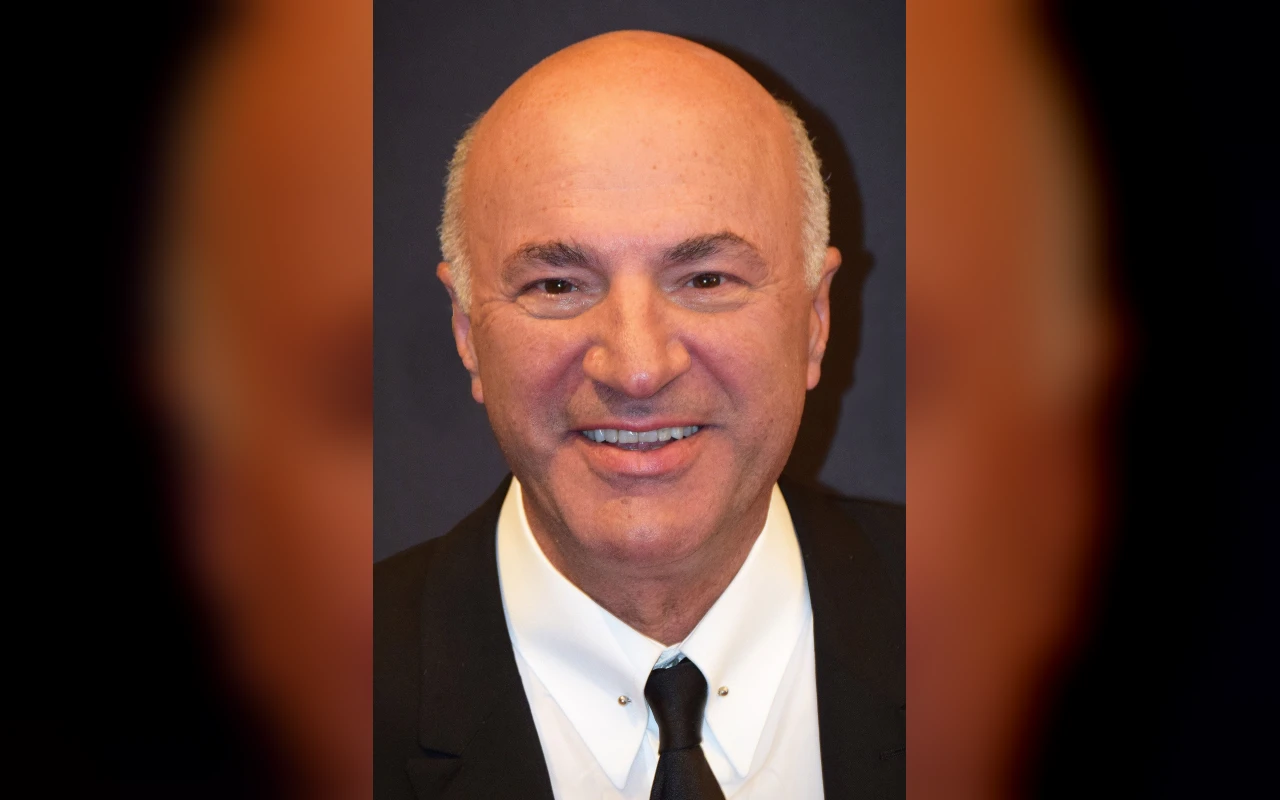
Kevin O'Leary clashes with Gen Z workers over investing, wages, and wealth distribution in a fiery debate that reignites questions about economic fairness.
- November 27, 2026
AceShowbiz - Kevin O'Leary is making headlines again after engaging in a fiery debate with a group of Gen Z workers about investing, wealth distribution, and the role of employees in creating company profits. The conversation reignited long-standing questions about the fairness of the modern economic system, particularly the divide between investors who reap large rewards and the employees whose labor fuels those profits.
The debate unfolded during a recent online event where Kevin O'Leary advocated his well-known financial advice: that individuals should save and invest 15% of every paycheck to build wealth over time. However, the discussion quickly shifted when a software engineer directly challenged this viewpoint, questioning why investors appear to accumulate wealth from the efforts of employees, who themselves often receive only modest wages. This exchange struck a chord, touching on growing frustrations among younger workers about income inequality and their limited access to wealth-building opportunities.
The Gen Z participant highlighted examples from major corporations like Starbucks and Amazon to illustrate the imbalance. At Starbucks, despite the company generating billions in revenue and regularly increasing shareholder dividends, frontline workers see little profit-sharing beyond their hourly pay. Amazon, now the largest employer in the U.S., was noted for its stark compensation disparities—where some employees receive stock grants and equity, while warehouse workers with demanding jobs often do not. This disparity fuels questions about the fairness of who benefits from company success and who remains excluded from wealth creation.
Kevin O'Leary defended the current system by emphasizing the role of capital investment and market forces in determining compensation. He argued that investors provide the necessary funding and assume risks, which justifies their share of profits. He also pointed to labor market dynamics, suggesting that if companies cannot attract workers at existing pay levels, wages would naturally rise to meet demand. Still, O'Leary expressed skepticism about the feasibility of distributing equity universally across all types of jobs, especially in sectors where profit margins or business structures may not support such models.
This exchange comes amid a broader cultural shift, where employee ownership and profit-sharing are gaining more attention. High-profile IPOs like SpaceX’s have made thousands of employees millionaires through stock options, sparking debate about expanding similar models to more industries. Public figures and entrepreneurs are increasingly advocating for policies that encourage companies to share ownership more equitably or face higher taxes. The discussion involving Kevin O'Leary is a microcosm of these larger conversations, reflecting a generational clash over wealth, labor value, and economic justice.
As Kevin O'Leary continues to promote traditional investing wisdom, he is now facing intensified scrutiny from younger generations who demand a reexamination of how wealth is created and distributed. This dialogue underscores the evolving expectations workers have for fairness in compensation and challenges the entrenched norms of capitalism that have long favored investors over labor.
This article is based on reporting originally published by Fortune.