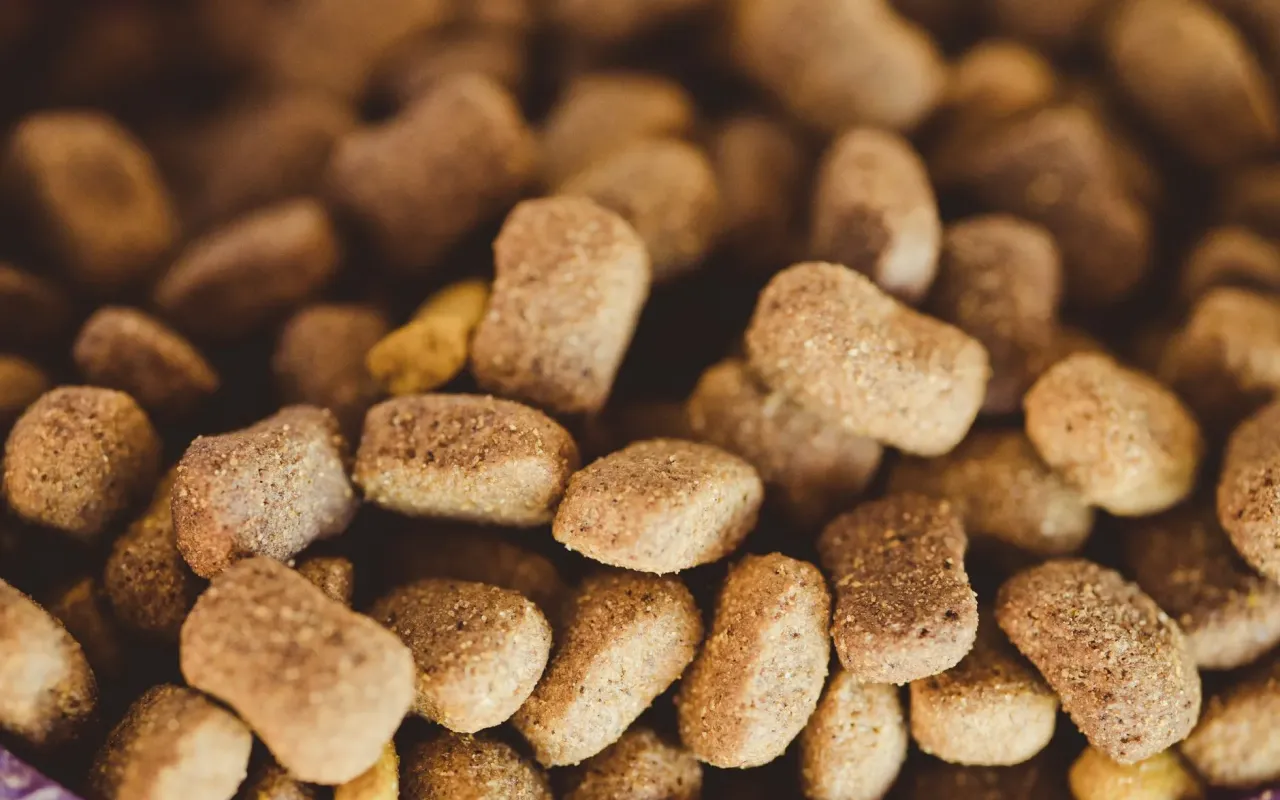
New research links grain-free dog food to DCM, a serious heart condition. Here's what the FDA findings mean for your dog's diet and health.
- August 11, 2026
AceShowbiz - You're standing in the pet food aisle, staring at a bag that costs more than your own weekly groceries. The label screams "grain-free," "boutique," and "ancestral diet." You've heard the marketing hype—that grains are just fillers, that your dog is a wolf in disguise. But then you remember that headline you scrolled past last week: "Grain-free dog food linked to heart disease." Suddenly, that expensive bag feels less like a premium choice and more like a gamble. If you're confused, you're not alone. The science here is real, but it's also nuanced, and your dog's dinner doesn't have to be a source of panic.
Let's cut through the noise. The link between grain-free diets and canine dilated cardiomyopathy (DCM) is one of the most significant veterinary stories of the last decade. It's not a scare tactic; it's a genuine public health alert backed by the FDA. But the answer isn't simply "feed your dog rice." It's about understanding what's actually in that bowl, why the heart is failing, and how you can make a confident, informed choice for your specific dog.
The FDA Investigation: What Actually Happened
In July 2018, the U.S. Food and Drug Administration issued a public alert after receiving a spike in reports of DCM in dogs that were eating diets labeled as "grain-free." These weren't your average Labrador retrievers with a genetic predisposition; they included breeds like Golden Retrievers, which rarely develop this condition spontaneously. By 2019, the FDA had identified over 500 cases, with a staggering 90% of those dogs eating a grain-free or legume-heavy diet.
The common thread wasn't just the absence of grains. It was the ingredients that replaced them. The diets were heavy in peas, lentils, chickpeas, and various beans—what researchers call "pulses." These ingredients are often used as a cheap source of protein and to bind kibble together. But the correlation was too strong to ignore. The FDA specifically named sixteen brands, though they were careful to note that the issue was likely the nutritional profile of the food, not a specific manufacturer's quality control.
Here's the "so what" part: this wasn't a recall. No food was pulled from shelves for contamination. This was a nutritional issue, meaning the food wasn't poisoned—it was just potentially incomplete. The FDA's investigation is still ongoing, and while the initial panic has cooled, the research has solidified a few key theories about why these diets can be problematic. The takeaway isn't to fear all grain-free food, but to respect that diet composition matters more than clever marketing.
Actionable takeaway: If your dog is currently on a grain-free diet, don't panic and don't stop feeding them abruptly. Instead, review the ingredient list on your bag. If peas, lentils, or chickpeas are in the top five ingredients, it's worth a conversation with your vet about your dog's specific risk factors.
Why Does Grain-Free Cause Heart Problems?
The exact mechanism is still a mystery, but veterinary cardiologists have landed on two leading theories. The first is taurine deficiency. Taurine is an amino acid that is critical for heart muscle function. Dogs can synthesize it themselves, but they need the right building blocks—specifically, sulfur-containing amino acids like methionine and cysteine. Some grain-free diets are low in these, or the high fiber content from legumes interferes with taurine absorption.
However, here's the twist: not all dogs with DCM from grain-free diets have low taurine levels. This leads to the second theory: a genetic and metabolic interference. Certain breeds, like Golden Retrievers, have a genetic mutation that makes them less efficient at producing or retaining taurine. When you add a diet that is high in legumes, it can exacerbate this inefficiency. Think of it like a car with a small fuel tank; you can drive it, but if you give it bad gas, it sputters.
There's also a theory about the "lentil effect." Legumes contain compounds called saponins and phytates, which can bind to nutrients and reduce their bioavailability. This means even if the food lists taurine on the label, the dog's body might not be absorbing it properly. The heart, being a high-energy organ, is often the first to show the damage when these amino acids are out of balance.
Actionable takeaway: Ask your vet for a blood test to check taurine levels if your dog has been on a grain-free diet for more than six months. It's a simple, relatively inexpensive test that can provide peace of mind or catch a problem early.
Reading the Label: The Hidden Dangers of "Boutique" Diets
You've seen the bags—they look like they belong in an organic grocery store, with rustic fonts and pictures of fresh vegetables. These "boutique" diets often fall into the BEG category: Boutique, Exotic, or Grain-free. The problem with BEG diets isn't that they are inherently evil; it's that they are often formulated by small companies without rigorous feeding trials. A feeding trial ensures that the food actually sustains a dog over a long period, not just that it meets the chemical minimums on paper.
Many of these diets use exotic proteins like kangaroo, bison, or duck. While great for dogs with allergies, these proteins are rarely used in large-scale nutritional research. The same goes for the carbohydrate sources. Instead of rice or corn, which have decades of research behind them, they use tapioca, potatoes, and peas. These ingredients are cheaper and gluten-free, but they don't provide the same amino acid profile as traditional grains.
Here's a specific example: A 2021 study published in the Journal of Veterinary Internal Medicine looked at 71 dogs with DCM. When they switched these dogs to a non-grain-free diet, 58% of them saw improvement in their heart function within six months. The dogs that improved were the ones switched to diets containing standard grains like brown rice and barley. The study didn't just show that grain-free was bad; it showed that the specific nutritional balance of traditional diets was better for heart recovery.
Actionable takeaway: Look for the Association of American Feed Control Officials (AAFCO) statement on the bag. Ensure it says "complete and balanced for all life stages" and that the brand conducts AAFCO feeding trials, not just nutrient analysis. This is the gold standard for safety.
Is Grain the Enemy? Debunking the "Ancestral Diet" Myth
Let's address the elephant in the room: the myth that dogs are carnivores who shouldn't eat grains. The truth is, dogs are facultative carnivores, meaning they can survive and thrive on a diet that includes plant matter. Over 10,000 years of domestication, dogs have evolved to digest starches and grains far better than their wolf ancestors. In fact, dogs have multiple copies of the AMY2B gene, which is responsible for producing amylase, the enzyme that breaks down carbs.
Grains like rice, oats, and barley are not fillers. They provide essential B vitamins, fiber for gut health, and linoleic acid for skin and coat health. The "fillers" myth started because some low-quality kibble used corn as a cheap bulking agent. But high-quality corn is actually a very digestible carbohydrate and a source of protein. The issue isn't the grain; it's the quality of the grain and the overall balance of the diet.
So, why did grain-free become so popular? It was a combination of clever marketing and a genuine rise in food allergies. But here's the kicker: true grain allergies in dogs are incredibly rare, affecting less than 1% of the population. Most dogs with food allergies are allergic to the protein source, like chicken or beef, not the grain. By switching to grain-free, many owners were inadvertently removing a safe carbohydrate and replacing it with a legume-heavy alternative that was more problematic.
Actionable takeaway: If you suspect a food allergy, don't self-diagnose. Work with a veterinary dermatologist to perform a proper elimination diet. You might find that your dog is allergic to chicken, not wheat, and you can go back to a grain-inclusive diet that is safer for the heart.
What Should You Feed Your Dog? Practical Steps Forward
Now, for the million-dollar question: What do you do tonight? First, don't throw out the bag of food in a panic. A sudden diet change can cause gastrointestinal upset. Instead, assess your dog's risk factors. Are they a Golden Retriever, Doberman Pinscher, or Great Dane? These breeds are genetically predisposed to DCM. Have they had an echocardiogram recently? If not, and they've been on a grain-free diet for years, schedule one.
If you want to switch, do it gradually over 7-10 days. Mix 25% of the new food with 75% of the old food, then gradually shift the ratio. This prevents vomiting and diarrhea. When choosing a new food, look for one that is grain-inclusive but still high-quality. Brands like Purina Pro Plan, Hill's Science Diet, and Royal Canin have extensive research departments and have conducted feeding trials for decades. They are not the most "Instagrammable" brands, but they are the safest.
Finally, consider the source of the protein. A diet with a single, high-quality protein source (like chicken or salmon) and a simple carbohydrate (like rice) is easier for your dog to digest and less likely to cause nutritional imbalances. You don't need to buy the most expensive bag; you need to buy the bag with the most research behind it. Your dog doesn't care about "exotic" ingredients; they care about feeling good and having a healthy heartbeat.
Actionable takeaway: Write down a list of three grain-inclusive foods that fit your budget. Call your vet's office and ask which one they recommend for your dog's specific age, weight, and activity level. A quick phone call is worth more than a hundred online reviews.
The Bottom Line: Don't Fear the Bowl, Respect the Science
The grain-free scare has taught us a valuable lesson: marketing is not medicine. We want to give our dogs the best, but "best" is defined by science, not by a rustic label. The research is clear that legume-heavy, grain-free diets carry a risk for DCM, but it doesn't mean every dog on that diet will get sick. It means the risk is elevated, and when it comes to a fatal heart condition, why take the risk?
Veterinary nutritionists agree on one thing: a balanced diet with recognized ingredients is the safest bet. The most important thing is that your dog is eating a diet that has been tested and proven to work, not one that just sounds good in a commercial. You are your dog's advocate, and being an advocate means asking hard questions about the food you buy.
So, go home, look at your dog, and look at the bag. If you see peas and lentils at the top of the list, you have a decision to make. The good news is that DCM caused by diet is often reversible if caught early. You have the power to change the course of your dog's health—not through fear, but through informed, practical action. Your dog doesn't need a "premium" diet; they need a proven one.