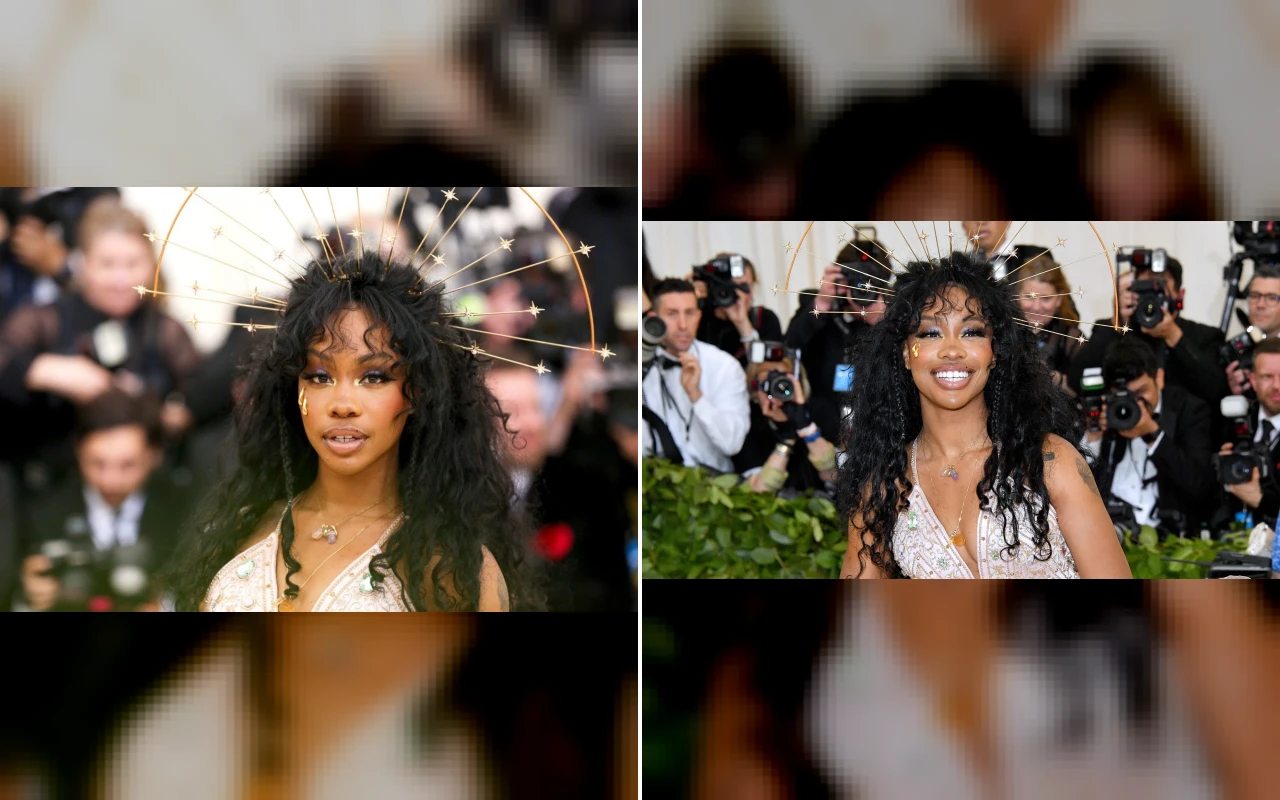
SZA reveals 238 of her songs were used to train AI without consent, sparking industry outrage over artist exploitation and copyright violations.
- June 22, 2026
AceShowbiz - SZA has uncovered a troubling development in the music industry involving artificial intelligence companies using her work without consent.
The acclaimed R&B artist found out that 238 of her songs were utilized to train AI music generators, yet she was neither asked for permission nor compensated for this usage.
SZA expressed her strong disapproval on social media, criticizing those in the music community who support this technology and condemning the exploitation of artists’ creative output.
This revelation highlights a broader dispute among the music industry, AI companies, and the artists whose recordings have been incorporated into AI training datasets without their knowledge.
The controversy centers around platforms like Suno and Udio, which built AI music generators by feeding their algorithms millions of copyrighted songs owned by major record labels. These systems learn musical styles and patterns to create new compositions.
What particularly frustrates SZA is that her unreleased tracks were also part of these datasets, meaning her creative work helped develop technology that could potentially replace artists like her, all without her approval or any financial return.
Adding complexity, major record labels have already reached settlements with these AI companies. Warner Music Group resolved its lawsuit against Suno in November 2025, while both Warner and Universal made agreements with Udio.
These deals have allowed the AI platforms to continue operating legally but have created a significant gap in compensation distribution.
The American Federation of Musicians (AFM) has filed a lawsuit claiming that Universal and Warner licensed recordings containing their members' performances to Suno and Udio without paying the actual musicians involved.
The AFM’s position is clear: when recordings are repurposed in new ways, collective bargaining agreements require that artists and session musicians receive payment.
While labels reached settlements with AI firms, those agreements did not include provisions to compensate individual artists or union members directly.
SZA’s case represents just one artist’s experience, but the scope of this issue is vast. Millions of recordings from numerous artists have been integrated into AI training, most without the artists' knowledge or any form of remuneration.
This situation raises serious questions about artists’ rights and the future of creative ownership in an age increasingly dominated by artificial intelligence technology.
This article is based on reporting originally published by AllHipHop.